Choose titanium Grade 2 vs Grade 5 machining stock by separating corrosion and formability priorities from strength-driven design. Grade 2 is commercially pure titanium with lower strength and useful ductility; Grade 5 is the Ti-6Al-4V alpha-beta alloy with substantially higher strength in the relevant producer comparisons. TIMET also notes that unalloyed titanium can outperform Ti-6Al-4V in some corrosion environments, so the stronger alloy is not automatically the more corrosion-resistant choice. Use the actual form and condition when selecting. Grade 2 merits review for corrosion-focused components that do not need Grade 5 strength; Grade 5 merits review for highly loaded, weight-sensitive parts. Application qualification still requires the specified material and process evidence.
The most useful quotation package connects the material callout to the features that carry load, seal or locate the assembly.
Start with the actual product data
TIMET's titanium datasheet library separates commercially pure grades from alloy families. That distinction is more informative than comparing two unsupported property numbers copied from a reseller chart.
Read the table for the relevant material form and condition. Sheet, bar, forgings and other products may have different requirements. Check whether values are typical, minimum or maximum before using them in a design calculation or purchase specification.
For the Grade 5 family, TIMET's Ti-6Al-4V datasheet also distinguishes related variants. Do not assume standard Ti-6Al-4V and an ELI variant are interchangeable because their common names look similar.
Compare what the application needs
| Selection factor | Grade 2 | Grade 5 |
|---|---|---|
| Material identity | Commercially pure titanium | Ti-6Al-4V alpha-beta alloy |
| Strength | Lower-strength option | Higher-strength option in comparable supplied conditions |
| Ductility/forming emphasis | Useful when ductility and forming matter | Strength is a primary selection advantage |
| Corrosion choice | Strong candidate for chemical-service review | Not automatically superior to unalloyed titanium in every medium |
| Typical decision | Corrosion-focused duty with adequate strength | High-load, weight-sensitive duty with validated service compatibility |
The material and strength distinctions are supported by TIMET's titanium alloy comparison, while its corrosion guide explains the environment-dependent corrosion comparison. Product-specific qualification remains separate.
Use this table to identify missing inputs. It is not a recommendation that one grade universally outperforms the other.
If a lighter or stronger component is the objective, review the geometry and assembly as well. A material change can leave the controlling connection, stiffness or contact requirement unchanged.
Connect the grade to the machining route
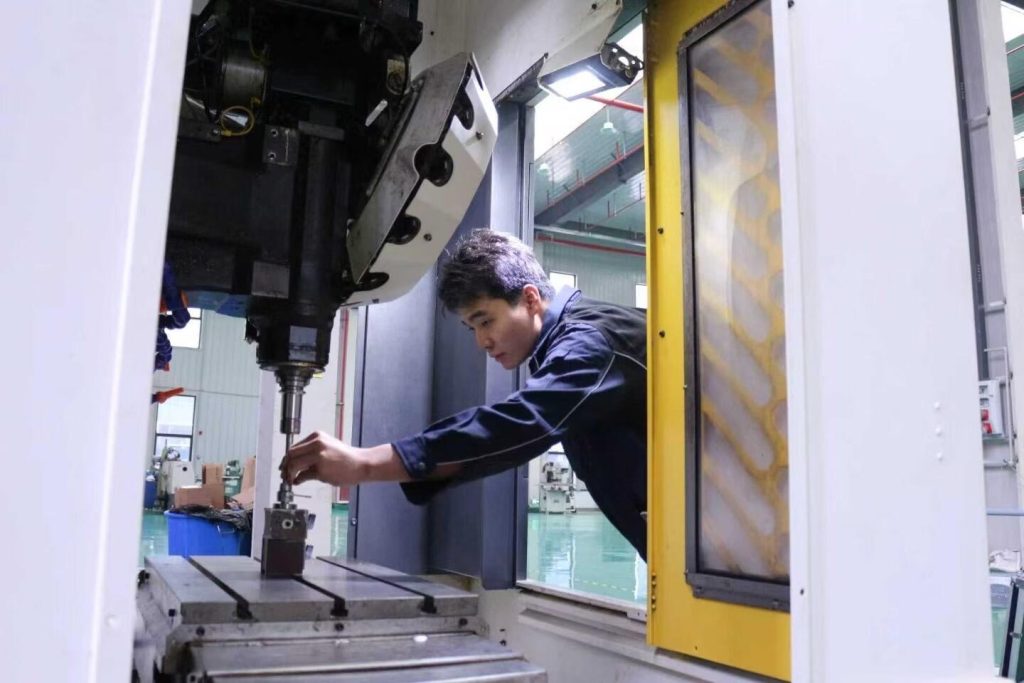
The titanium CNC machining service page provides the relevant starting point for a drawing review. Mark the features whose size, position or surface condition must survive the complete process.
Ask the supplier about tool access, workholding and the sequence proposed for critical surfaces. A narrow bore, a slender part and an open bracket pose different manufacturing questions even when the material callout is identical.
The supplier should price the actual final requirements. Comparing a rough-machined Grade 2 offer with a finished, documented Grade 5 offer does not reveal the material premium or the complete project cost.
Define a controlled material substitution
If an alternative grade is proposed, separate it from the baseline quotation. Record the original requirement, the proposed material and the specific reason for considering it.
An acceptable substitution review should consider material properties, downstream processing, dimensional requirements and any qualification restrictions. The review should also establish whether the drawing changes or a limited order-specific approval is issued.
During custom CNC project planning, keep the approved material decision with the drawing revision. Do not allow an email suggestion to become an unrecorded instruction at the stock-purchasing stage.
Where the supplied condition matters, name it explicitly. A correct grade label without the required product form or condition can still leave the order incomplete.
Agree final acceptance and documents
Material identification, thermal processing where applicable, dimensions, texture and cleanliness are separate acceptance subjects. Identify which records are required and who reviews them before shipment.
For a critical application, ask the design authority to define the required specification and qualification evidence. Avoid adding an unsupported phrase such as “medical grade” as a replacement for a precise material and process requirement.
Check that the material documents can be linked to the machining lot. Retain any approved deviation visibly. On a repeat order, confirm that the same specification, stock basis and approval conditions still apply.
The aim is a delivery that can be evaluated from its records and physical requirements, without relying on the original sales conversation.
Common purchasing questions
Is Grade 5 simply a better Grade 2?
No. They are different materials with different property balances. Select the one that meets the design and service requirements.
Can the shop choose the titanium grade?
It can help review manufacturing options, but the responsible design authority should approve the required material.
Does an ELI designation prove implant qualification?
No. Material designation is only part of a broader application-specific qualification and documentation requirement.
Should every titanium surface be polished?
Only when the function or appearance requires it. Define critical texture and cleanliness separately from general cosmetic expectations.
Can a certificate replace receiving inspection?
It addresses material evidence, while receiving inspection checks the agreed delivered requirements. Define both scopes appropriately.
Related guides: 6061 vs 7075 for CNC parts: strength, machining, and finish; C145 Tellurium Copper vs C110 for Machined Electrical Parts.
Prepare a useful titanium inquiry
Upload the project files with grade, product specification, condition, quantity and operating environment. Include critical dimensions, final texture and any approved-source restrictions so YXT can review the manufacturing route and unresolved requirements.