
Automotive Parts Prototyping
YXT turns automotive CAD into precise prototypes and production parts with practical DFM, responsive manufacturing, and documented inspection.
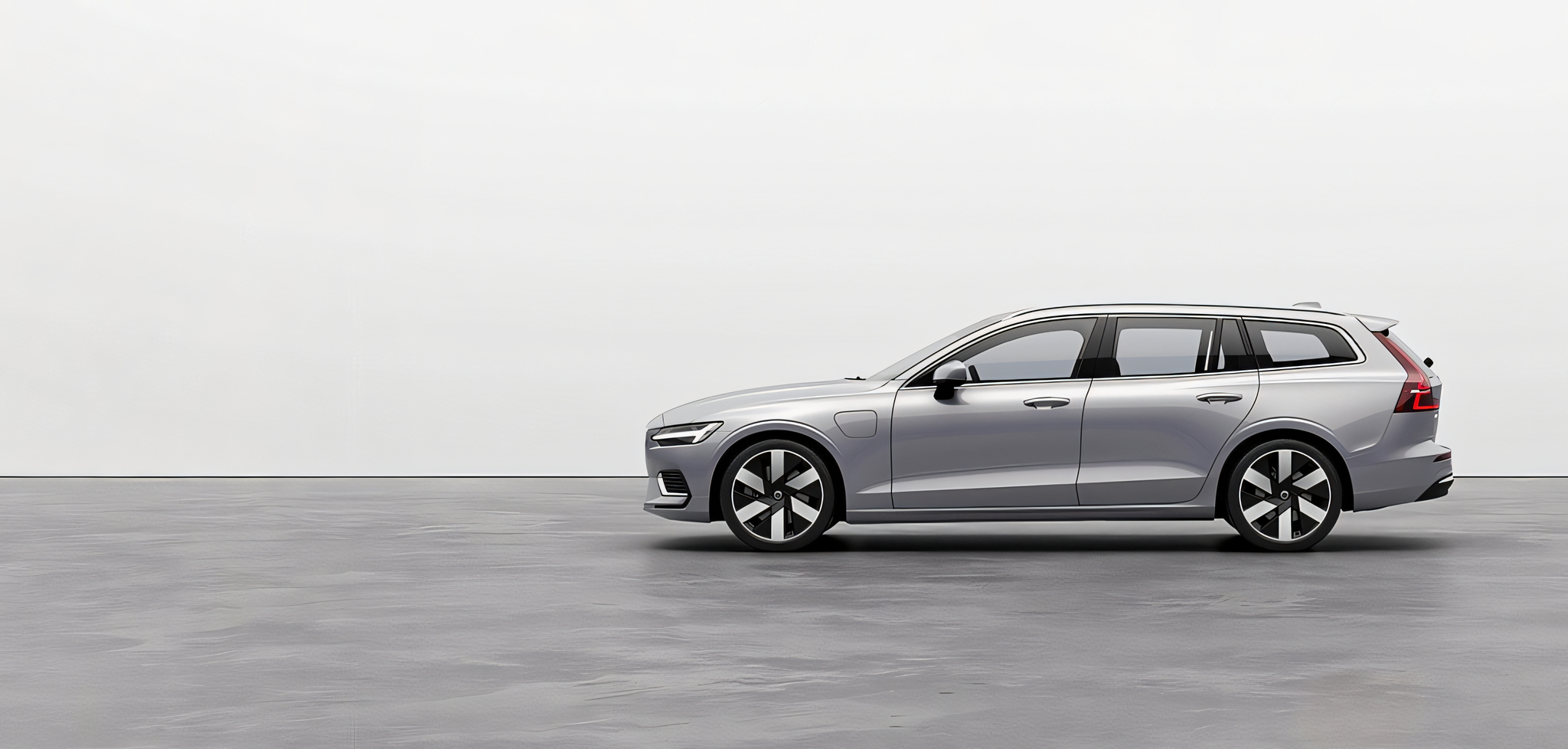 From CAD review to pilot production
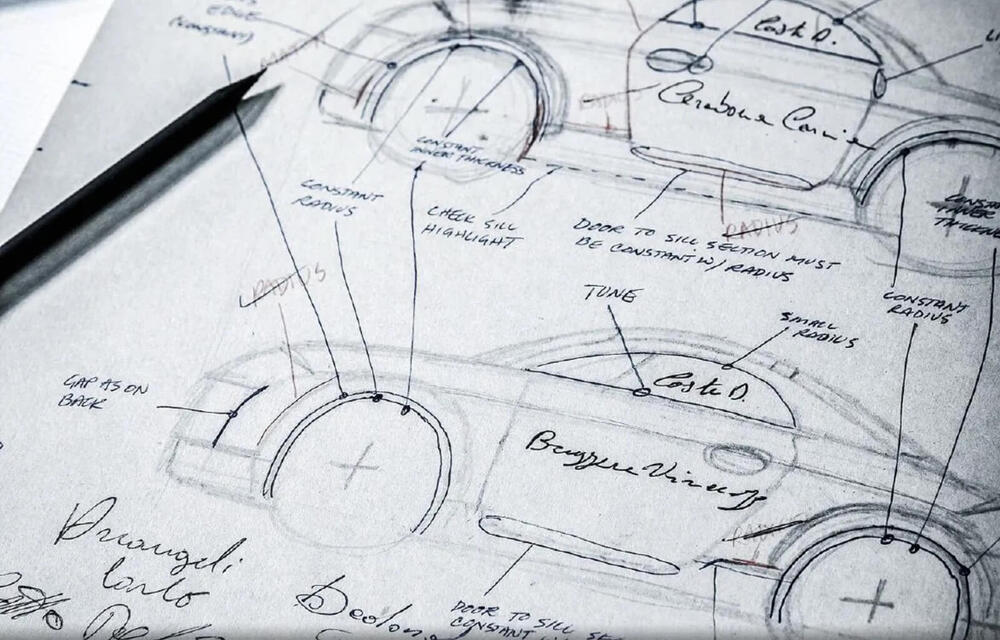 DESIGN INPUT
Build confidence before costly tooling and volume commitments
A well-planned prototype turns design assumptions into measurable evidence. Engineers can review interfaces, packaging, fastening, thermal behavior and manufacturing risk before committing to the production route.
Confirm fit, interfaces and assembly access with physical parts.
Compare material and process options against functional requirements.
Identify tolerance stack-up, distortion and finish risks earlier.
Create a practical bridge from prototypes to repeat production.
From concept validation to production readiness
Use each build stage to answer a specific engineering question, then carry the verified information into the next manufacturing decision.
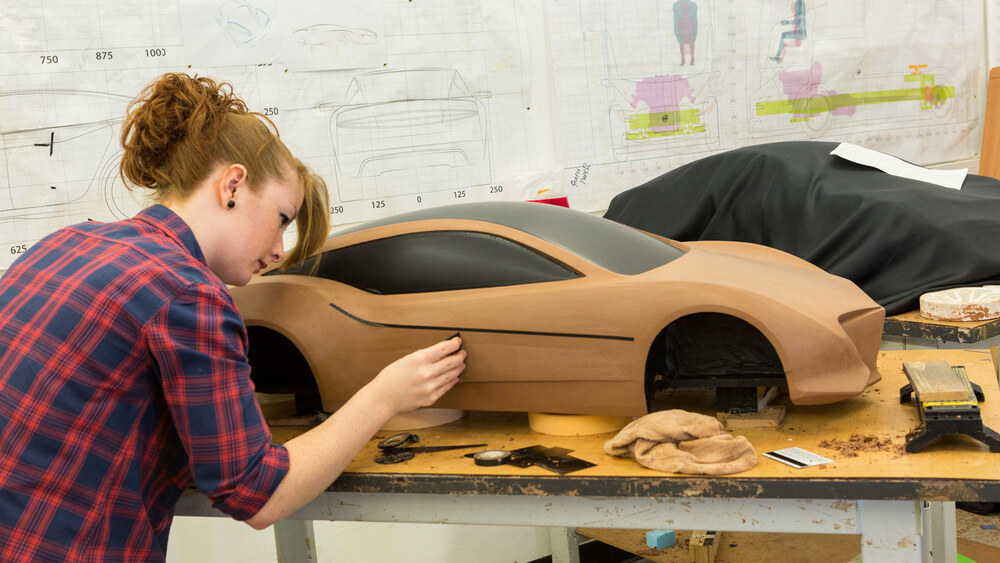
Appearance and packaging models
Review overall proportions, access, human factors and packaging space before details become expensive to change.
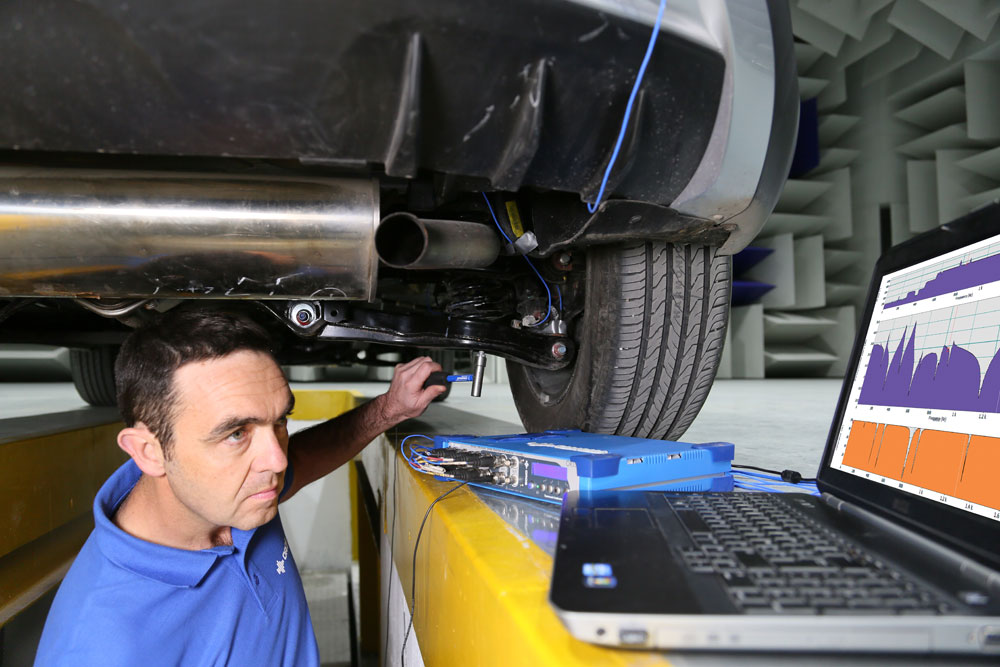
Structural and performance checks
Produce test-ready components and fixtures for load, vibration, thermal and durability evaluation.
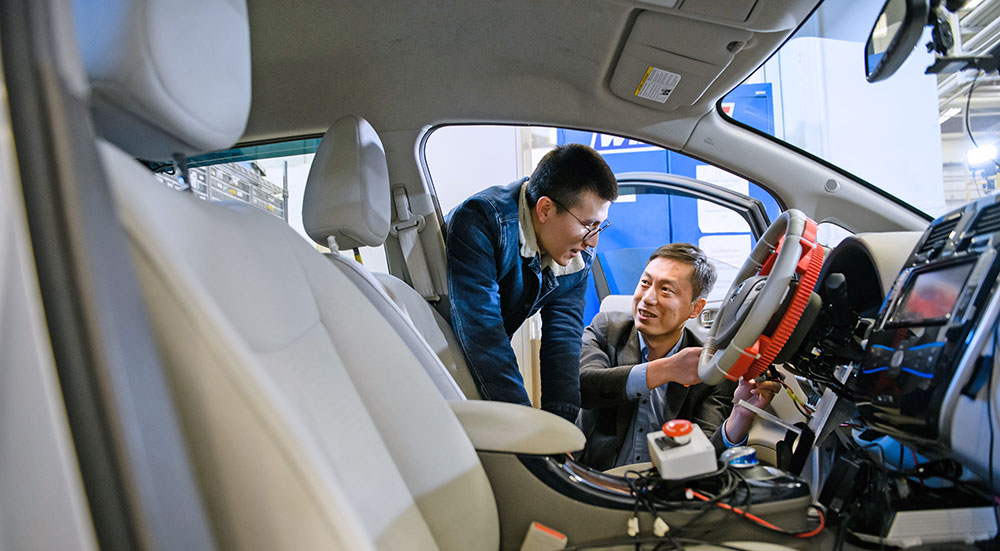
Functional system integration
Validate mechanical interfaces, electronics packaging, controls and assembly sequence under realistic conditions.
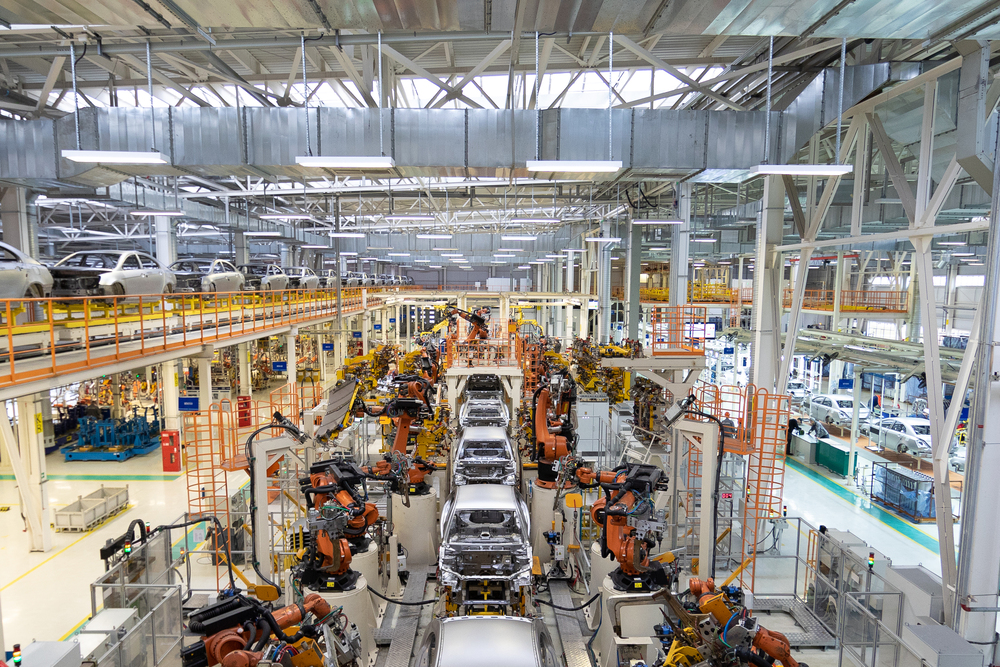
Pilot build and process validation
Stabilize fixtures, inspection points, finishing, assembly and repeatability before the production ramp.
Choose the process around the part, not the other way around
YXT coordinates machining, fabrication, prototype processes and finishing so geometry, material, quantity and validation goals stay aligned.
CNC Machining
Milled housings, brackets, fixtures, heat sinks and complex metal or plastic prototypes with controlled datums.
View CapabilityCNC Turning
Shafts, bushings, sleeves, threaded components and concentric parts for functional testing and production.
View CapabilitySheet Metal Fabrication
Cut, bend and weld enclosures, brackets, panels and structural prototypes with practical assembly planning.
View Capability5-Axis Machining
Machine multi-face features and complex contours with fewer setups for better relationship control.
View CapabilityPrototype Models
Coordinate additive, model-making and soft-tool routes when fast form, fit or concept feedback matters most.
View CapabilityFinishing and Assembly
Anodizing, plating, powder coating, texture, marking and light assembly planned around functional surfaces.
View CapabilityPrecision support across the vehicle system
From one-off development hardware to repeat orders, process selection starts with load, temperature, weight, corrosion, interface and inspection requirements.
Powertrain and drivetrain
Housings, shafts, couplings, mounts and test components.
Suspension and chassis
Brackets, links, fixture parts and structural prototypes.
Steering and braking
Precision interfaces, sleeves, adapters and validation hardware.
Battery and thermal systems
Cooling plates, heat sinks, manifolds and protective enclosures.
ADAS and sensor packaging
Camera, radar, lidar and electronics housings with controlled datums.
Cabin and control interfaces
Switch parts, knobs, frames, bezels and ergonomic prototypes.
 PROTOTYPE TO PRODUCTION
Match performance, manufacturability and appearance
Final selection should consider strength, weight, temperature, chemical exposure, dimensional stability, finish compatibility and test conditions.
Metals
For structural, thermal, wear and high-load components.
Engineering Plastics
For lightweight, insulating, sliding and chemical-resistant parts.
Surface Finishes
For corrosion resistance, wear, appearance and assembly behavior.
Control the characteristics that matter to function
The inspection plan is built from drawing requirements, part function, manufacturing risk and the documentation scope agreed before production.
RFQ and CTQ review
Identify datums, interfaces, critical dimensions, materials, finishes and required records.
DFM and process plan
Review access, tooling, tolerance stack-up, stock condition and realistic inspection methods.
First-piece verification
Check the first completed parts before the remaining quantity continues through production.
In-process control
Monitor critical features, tool wear and repeatability at defined production stages.
Final inspection
Verify drawing requirements with suitable dimensional and visual inspection equipment.
Records and packaging
Provide agreed reports and protect finished surfaces, edges and interfaces for shipment.
Keep engineering intent connected from prototype to production
A single project path helps reduce handoff gaps between design review, machining, finishing, inspection and repeat orders.
One project contact
Coordinate drawings, revisions, schedules and feedback through one responsive manufacturing contact.
Process-neutral DFM
Review the geometry against the most suitable manufacturing route instead of forcing one process.
Scalable order support
Move from proof-of-concept parts to pilot quantities and repeat production with clearer continuity.
Inspection planned early
Align datums, critical features and reporting expectations before parts reach final inspection.

Automotive prototyping and manufacturing FAQs
Send a 3D model, dimensioned drawing, material, quantity, finish, critical features and required documentation for a useful manufacturing review.
Request a QuoteWhich automotive prototype processes can YXT coordinate?
Depending on geometry, material, quantity and test purpose, YXT can coordinate CNC milling, turning, 5-axis machining, sheet metal fabrication, prototype model routes, finishing and light assembly. The quotation identifies the proposed route for each part.
Can the same project move from prototype to production?
Yes. The production route may stay the same or change as quantity increases. We review what must remain consistent, including datums, critical interfaces, material condition, finish and inspection requirements, before recommending the next stage.
What tolerances are available for automotive parts?
Tolerance capability depends on the process, material, feature size, geometry, wall thickness and inspection method. Tight tolerances down to +/- 0.005 mm can be evaluated for suitable machined features, but every requirement must be confirmed from the drawing.
Which materials are commonly used for automotive prototypes?
Common choices include aluminum, stainless steel, alloy steel, brass, copper, titanium, POM, nylon, PC, ABS and PEEK. Selection should follow load, temperature, weight, corrosion, friction, electrical and testing requirements.
Can you provide PPAP or automotive documentation?
Documentation scope is reviewed per project. Send the required submission level, report format, measurement scope, material documents and any customer-specific requirements during RFQ. Full PPAP is not assumed unless it is explicitly reviewed and confirmed.
What information is needed for an accurate quotation?
Provide the latest 3D model, dimensioned 2D drawing, material and condition, quantity, surface finish, critical-to-quality features, intended use, delivery location and required inspection or documentation. Mention future production volumes when the prototype should support scale-up.
Turn your automotive design into a manufacturable part
Upload your drawings and project requirements. YXT will review the manufacturing route, material, finish, inspection scope and practical next steps.
3D CAD and dimensioned drawing
Material, finish and quantity
Critical features and inspection scope
Prototype and future production needs