
Precision CNC Milling Services in China
Reliable 3-axis, 3+2-axis, and 5-axis milling support for custom metal and plastic parts, with practical engineering review and clear project communication.
Metal and Plastic Materials
Common metals and engineering plastics for prototypes and production.
Tolerance Review
Critical dimensions are reviewed against geometry, material, and inspection method.
Prototype to Production
Flexible planning for one-off parts, bridge quantities, and repeat orders.
Controlled Project Data
Drawings and manufacturing files are handled as confidential project information.
Drawing-based manufacturability review
Inspection records available by project
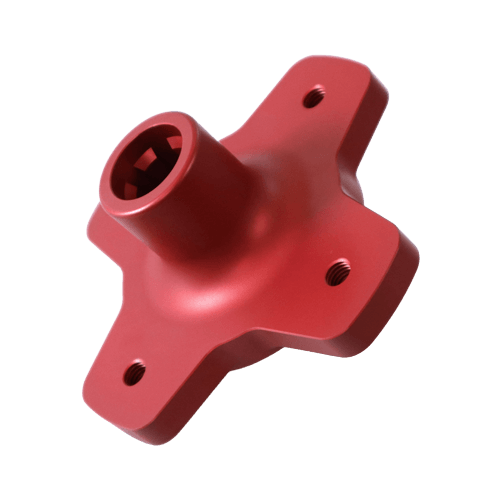
Precision CNC Milling Services From China
YXT supports custom milled parts from early prototypes through repeat production, combining process planning, machining, finishing, inspection, and delivery.
A Practical Manufacturing Partner for Custom Milled Parts
Our team reviews your CAD data, drawings, material, quantity, finish, and critical dimensions before machining begins. This helps identify setup risks, difficult features, and inspection requirements early in the project.
With 3-axis, 3+2-axis, and 5-axis milling resources, YXT can support straightforward prismatic parts as well as complex multi-face components with fewer setups and consistent datum control.
Metals and engineering plastics selected to the drawing
Prototype, low-volume, and repeat production support
Finishing and inspection coordinated in one workflow
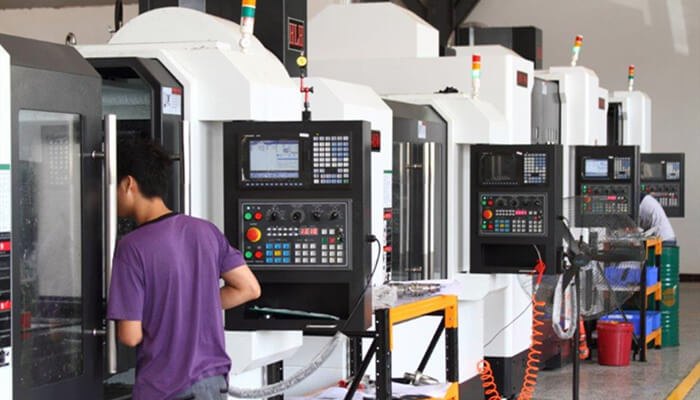
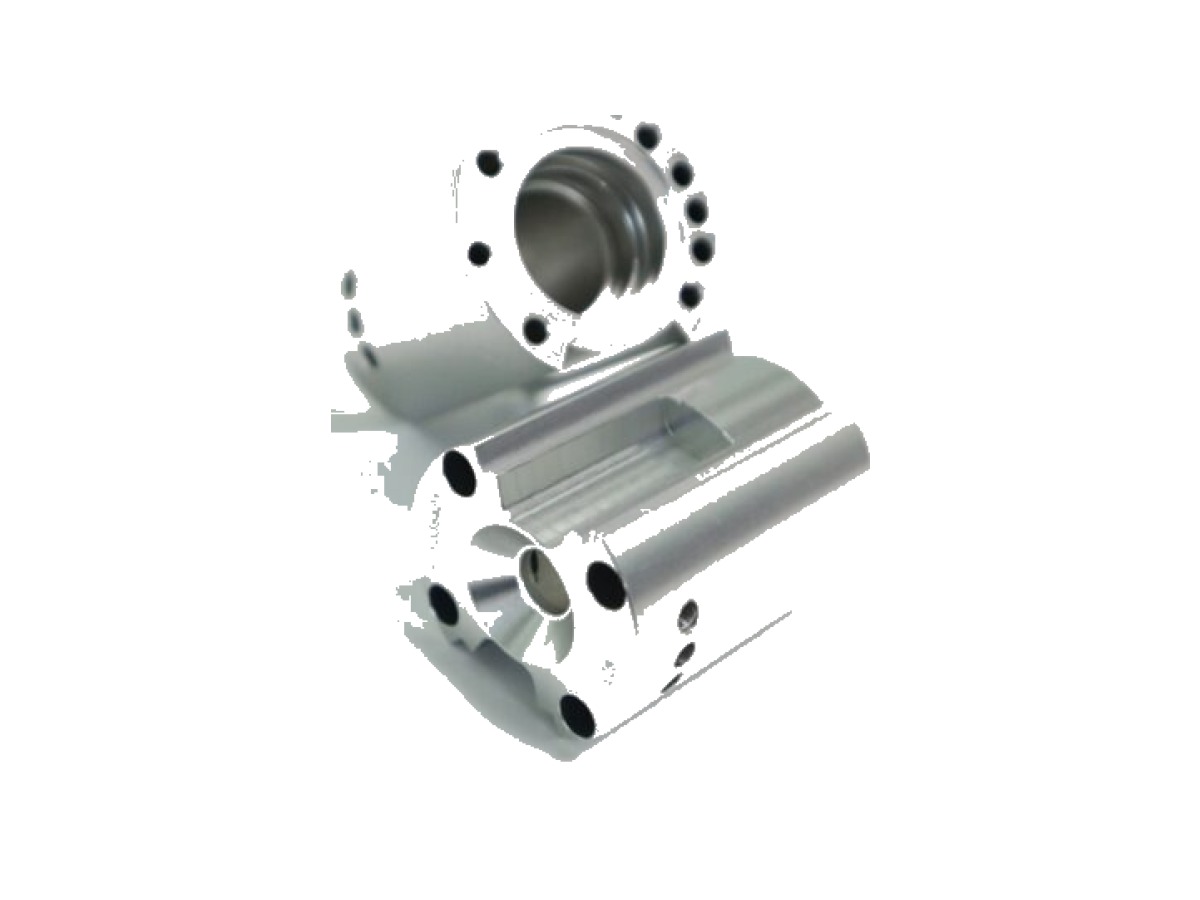
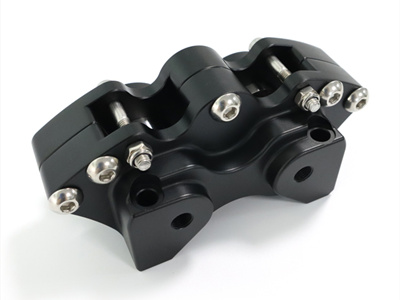
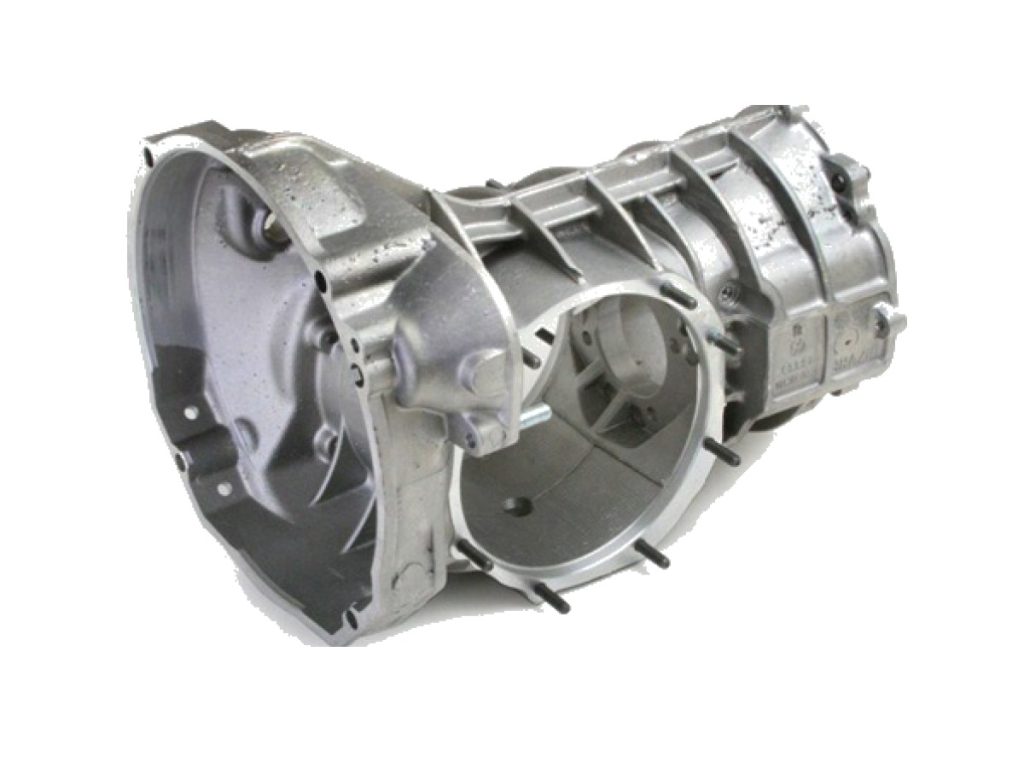
Our Maximum Capabilities for CNC Milling
Choose the process around the geometry, tolerance, surface requirements, and quantity of your part. Final limits are confirmed after drawing review.
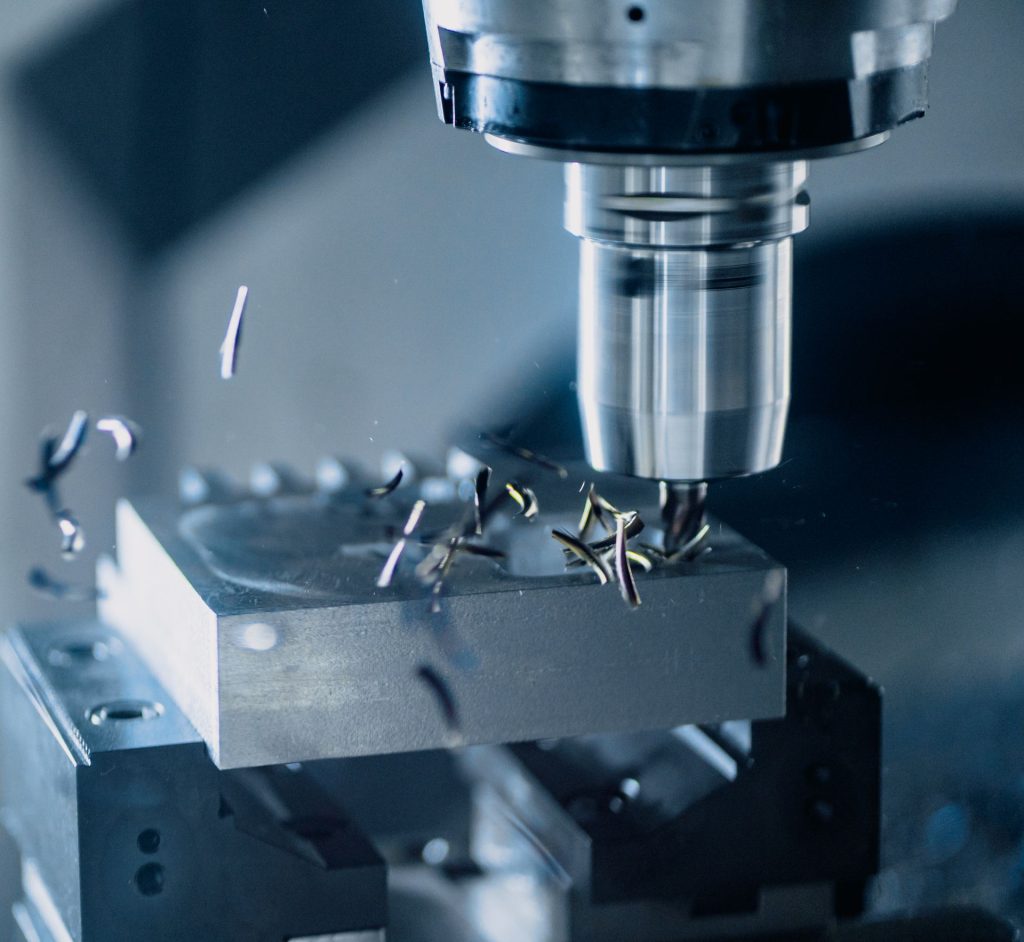
3-Axis and 3+2-Axis CNC Milling
3-axis milling efficiently produces pockets, bores, slots, profiles, and planar features. Indexed 3+2 machining adds access to multiple faces while maintaining a controlled work offset and reducing manual reorientation.
Efficient for plates, housings, brackets, and fixtures
Multi-face machining with indexed positioning
Suitable for prototype and production quantities
Typical 3-Axis Milling Range
Values are planning references. YXT confirms the actual process after reviewing the part.
5-Axis CNC Milling
Simultaneous 5-axis machining keeps the cutting tool at an effective angle while following complex surfaces. It can reduce setups, improve access to deep or angled features, and help maintain relationships between critical faces.
Complex contours, angled bores, and compound surfaces
Fewer setups for better feature-to-feature consistency
Shorter tools can improve rigidity and surface control
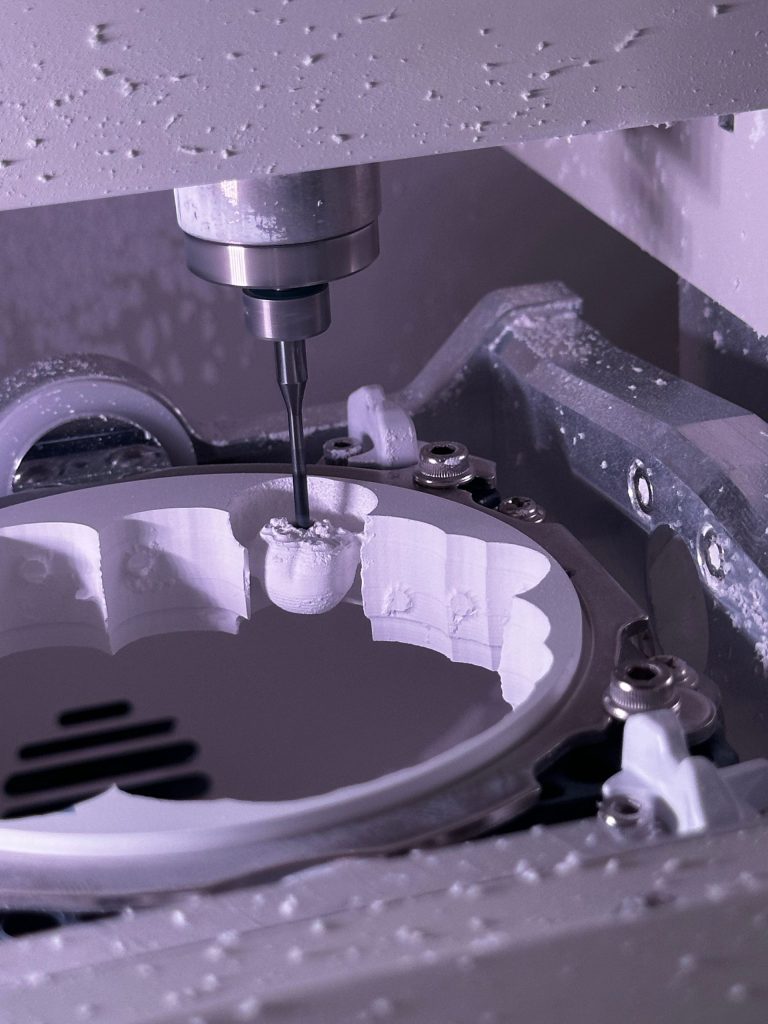
Typical 5-Axis Milling Range
Complex surfaces and tight features require a complete model, drawing, and datum strategy.
CNC Milling General Tolerances
The drawing remains the manufacturing authority. The values below are practical starting points for quotation and are confirmed against the selected material, geometry, finish, and inspection plan.
Tighter tolerances should be limited to functional features and clearly identified with datums and inspection requirements.
Materials for CNC Machining Parts
YXT machines common production metals and engineering plastics. Grade availability, stock form, heat treatment, and certification requirements are confirmed during quotation.
CNC Metals
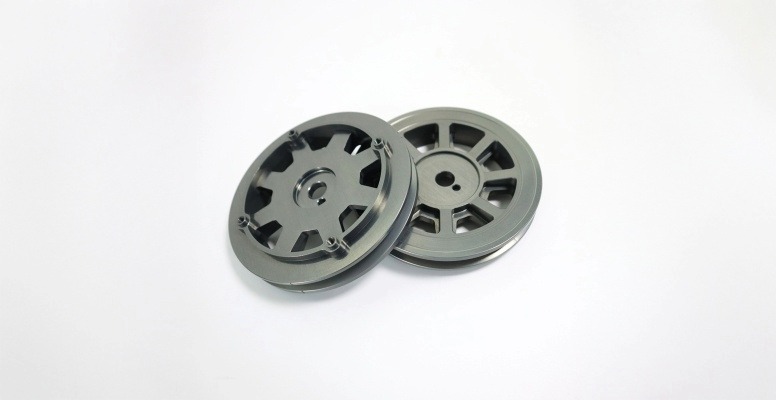
Aluminum
6061, 7075, 2024, and 5052. Lightweight, corrosion-resistant options for precise milled components.
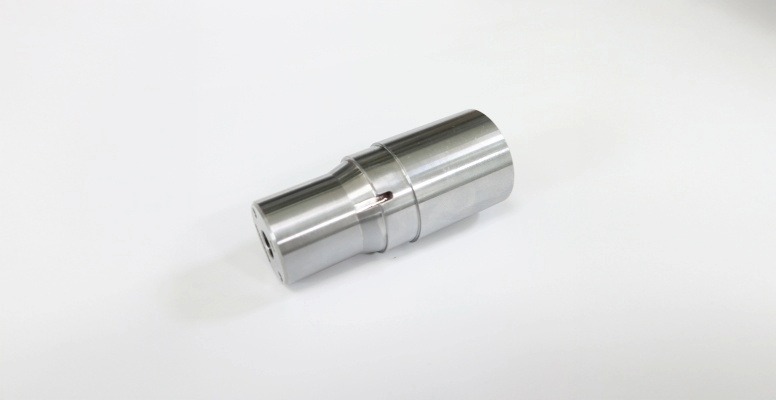
Stainless Steel
303, 304, 316, and 17-4 PH. Corrosion resistance with useful strength for production hardware.
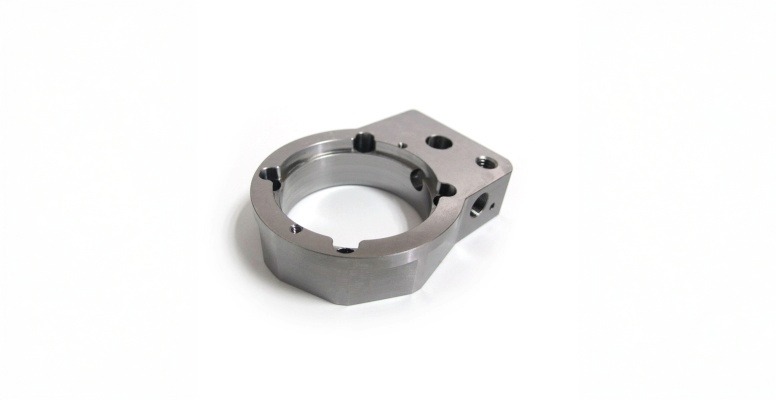
Alloy Steel
4140, 4340, 40Cr, and 42CrMo. Heat-treatable choices for demanding mechanical parts.
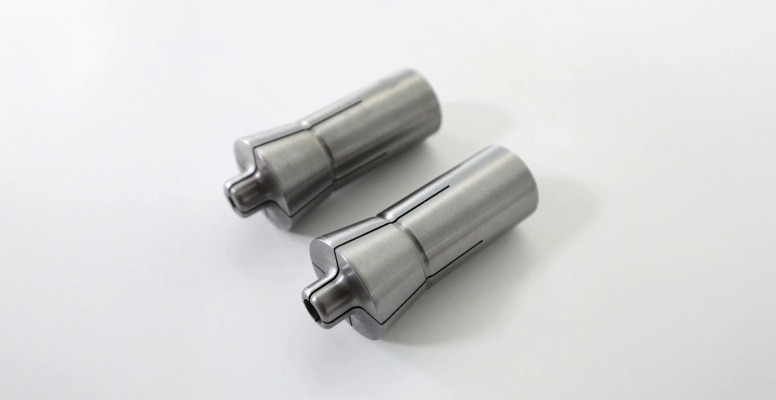
Tool Steel
D2, A2, O1, H13, and S7. Wear-resistant grades for tooling, fixtures, and high-load features.
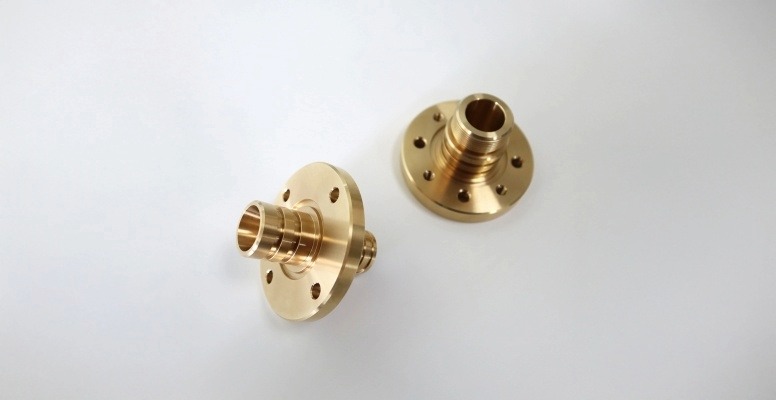
Brass
C360, H59, and H62. Good machinability with useful electrical and decorative properties.
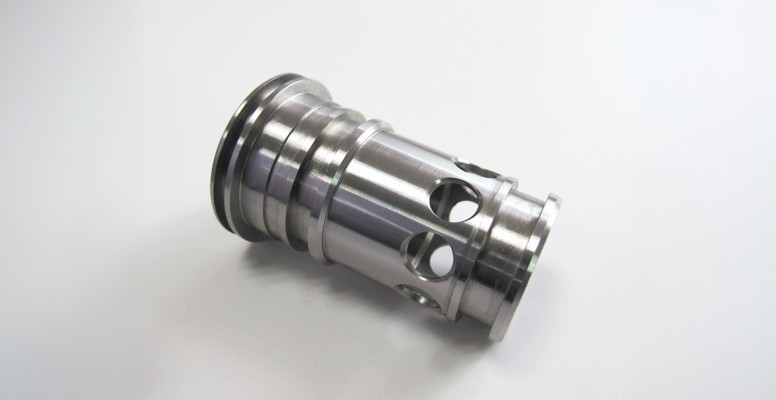
Copper
C110, C101, and T2. High thermal and electrical conductivity for functional components.
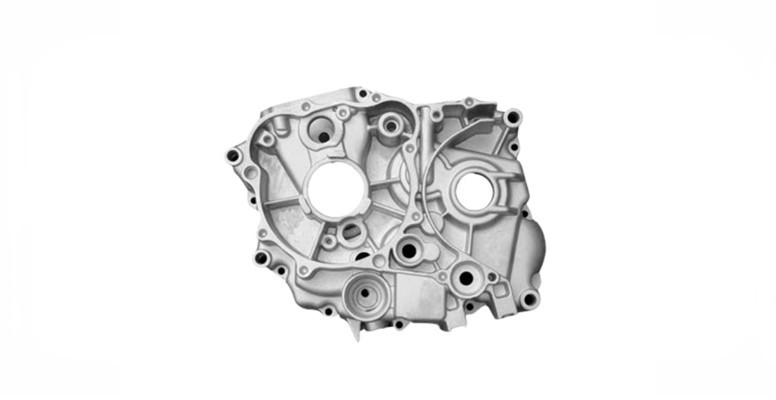
Titanium
Grade 2 and Grade 5 (Ti-6Al-4V). High strength-to-weight ratio and corrosion resistance.
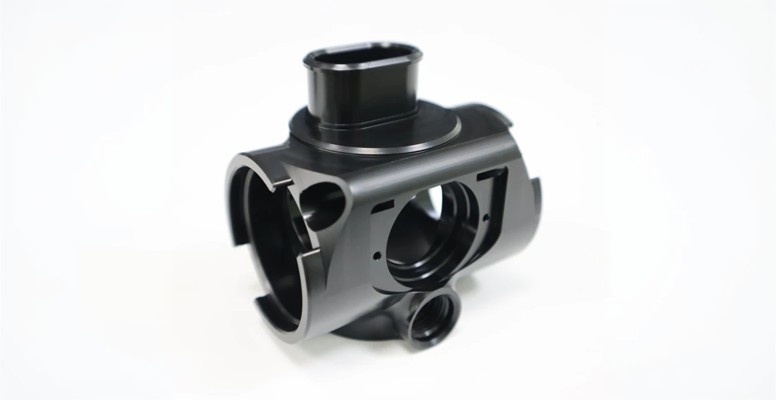
Magnesium
AZ31B, AZ61, and AZ91D. Very low density for components where reduced mass matters.
CNC Plastics
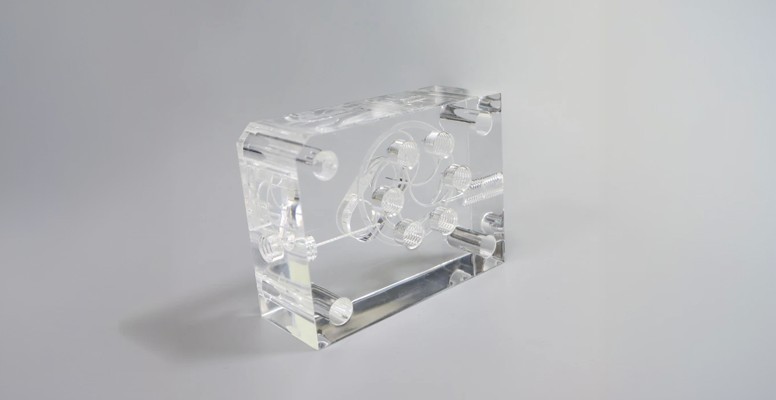
POM (Delrin / Acetal)
Stable, low-friction plastic for precision mechanical parts, gears, bushings, and fixtures.
PMMA (Acrylic)
Clear and easy to polish, making it useful for covers, windows, displays, and optical housings.
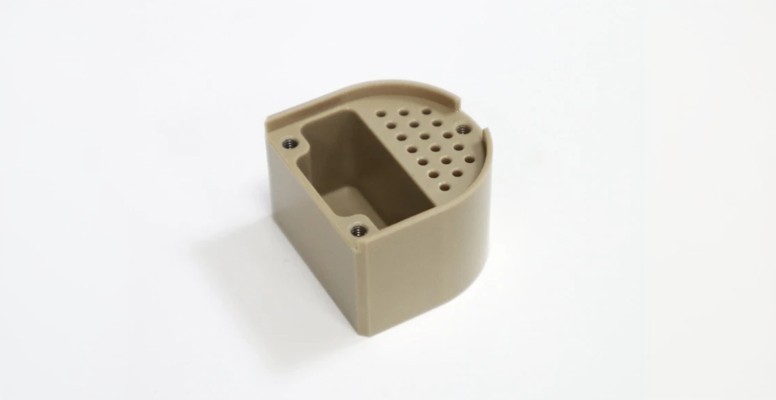
PEEK
High-temperature engineering plastic with chemical resistance for demanding functional parts.
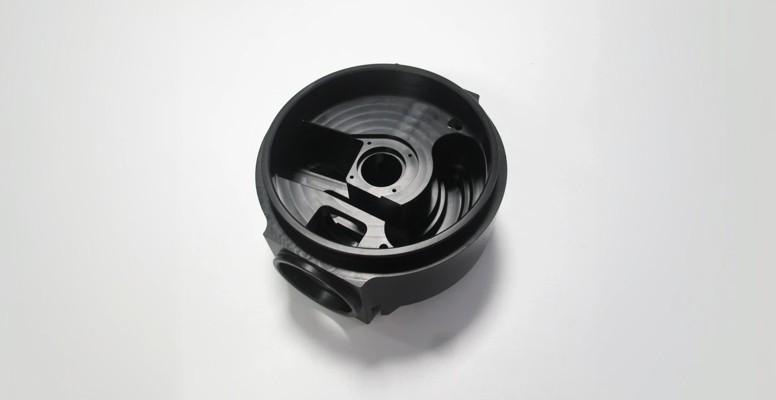
Nylon (PA)
Tough, wear-resistant material for gears, rollers, spacers, and mechanical components.
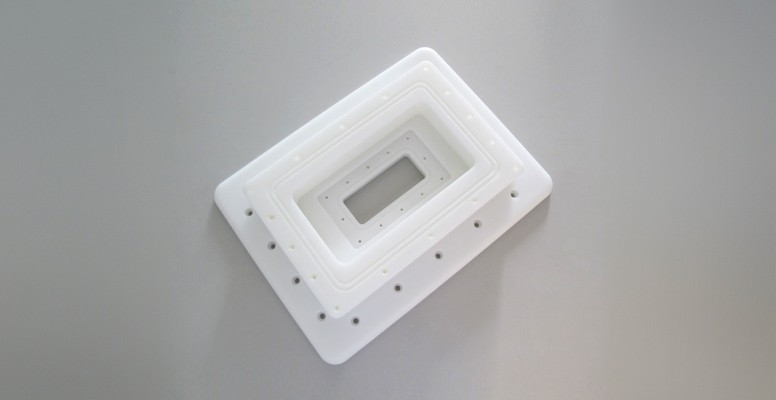
PTFE
Low-friction and chemically resistant material for seals, insulators, and sliding components.
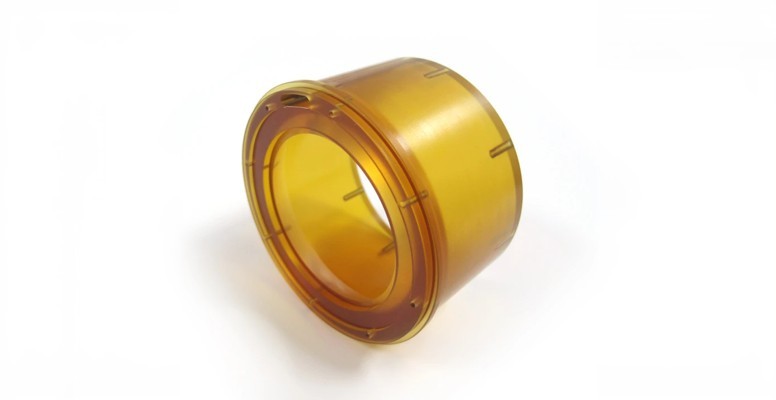
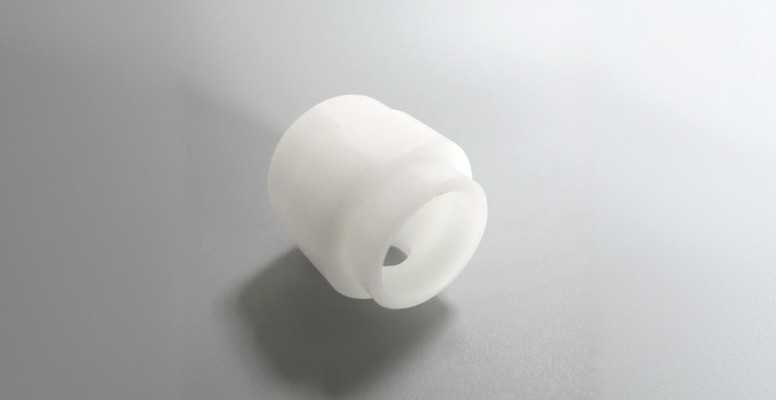
PVC
Chemical-resistant and economical plastic for industrial covers, fittings, and fluid-system parts.
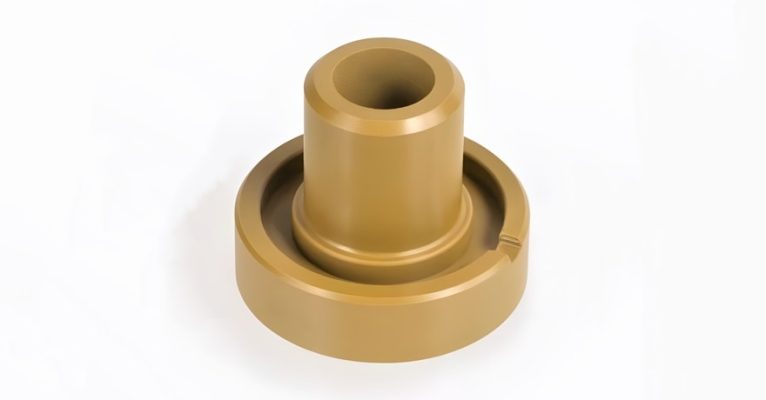
PEI (Ultem)
High-temperature, dimensionally stable plastic with useful electrical properties.
PAI (Torlon)
High-strength engineering plastic for wear, temperature, and load-sensitive applications.
Surface Finishes for CNC Machined Parts
Select a finish around appearance, corrosion resistance, wear, conductivity, and fit. Masked areas and critical dimensions should be marked on the drawing.
As Machined
Visible tool marks remain. A practical baseline finish for functional parts and hidden surfaces.
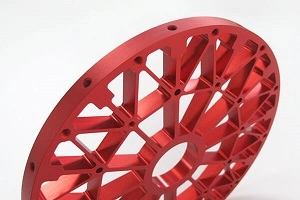
Smooth Machining
Additional toolpath control reduces visible cutter marks and improves the machined surface.
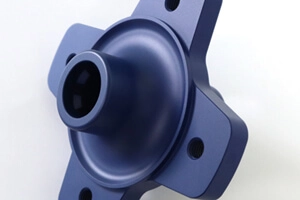
Polishing
Mechanical polishing improves smoothness and appearance on suitable metals and accessible faces.
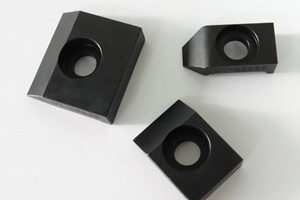
Bead Blasting
Creates a consistent matte texture and helps blend minor machining marks before final finishing.
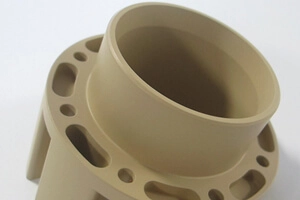
Tumbling
Mass finishing softens sharp handling edges and creates a more uniform surface on compatible parts.
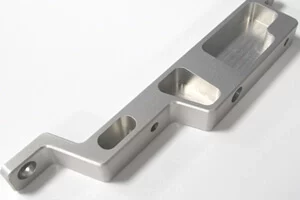
Type II Anodizing
Adds a controlled oxide layer to aluminum with natural or selected color options.
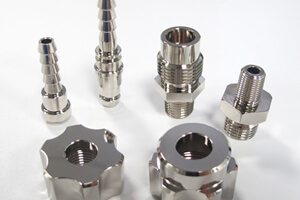
Hardcoat Anodizing
A thicker anodized layer for aluminum parts requiring improved wear resistance.
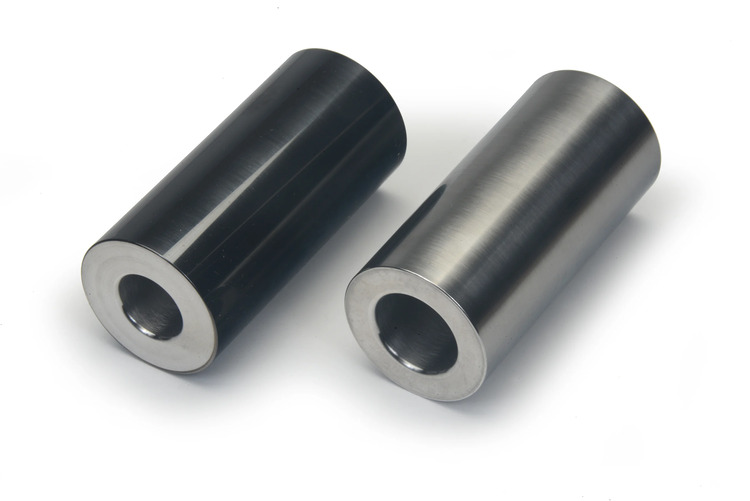
Powder Coating
Durable colored coating for suitable metal parts, with masking defined on the drawing.
Why Order CNC Milled Parts From YXT?
A controlled workflow connects engineering review, machining, finishing, inspection, and delivery without adding unnecessary complexity to your project.
Drawing Review Before Production
Critical dimensions, tool access, wall thickness, radii, finish, and inspection requirements are reviewed before machining.
Flexible Milling Resources
The process can be matched to simple 3-axis parts, indexed multi-face work, or simultaneous 5-axis geometry.
Material and Finish Coordination
Stock, heat treatment, finishing, masking, and cosmetic expectations are planned as one manufacturing route.
Inspection Based on Function
Inspection effort is focused on the datums, fits, threads, positions, and surfaces that matter to assembly.
Prototype to Repeat Production
Programs, setups, and inspection records can be retained to support recurring projects and controlled revisions.
Clear Project Communication
Questions, drawing conflicts, and schedule changes are raised early so decisions can be made before they affect delivery.
We Are Here to Solve Your Problem and Deliver Your Needs
A clear four-stage workflow keeps technical questions visible and makes it easier to move from quotation to production.
Send Project Files
Share the 3D model, 2D drawing, material, quantity, finish, and required delivery date.
Engineering Review
YXT reviews machinability, tolerances, setup strategy, stock, finishing, and inspection needs.
Machining and Inspection
Programs, fixtures, machining operations, in-process checks, and final inspection follow the approved route.
Finishing and Delivery
Parts move through approved finishing, final verification, protective packing, and shipment.
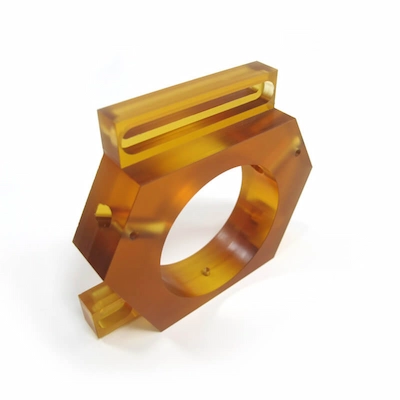
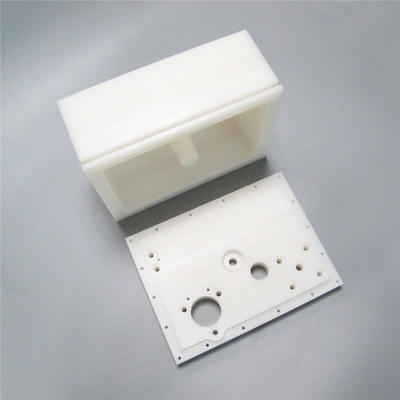
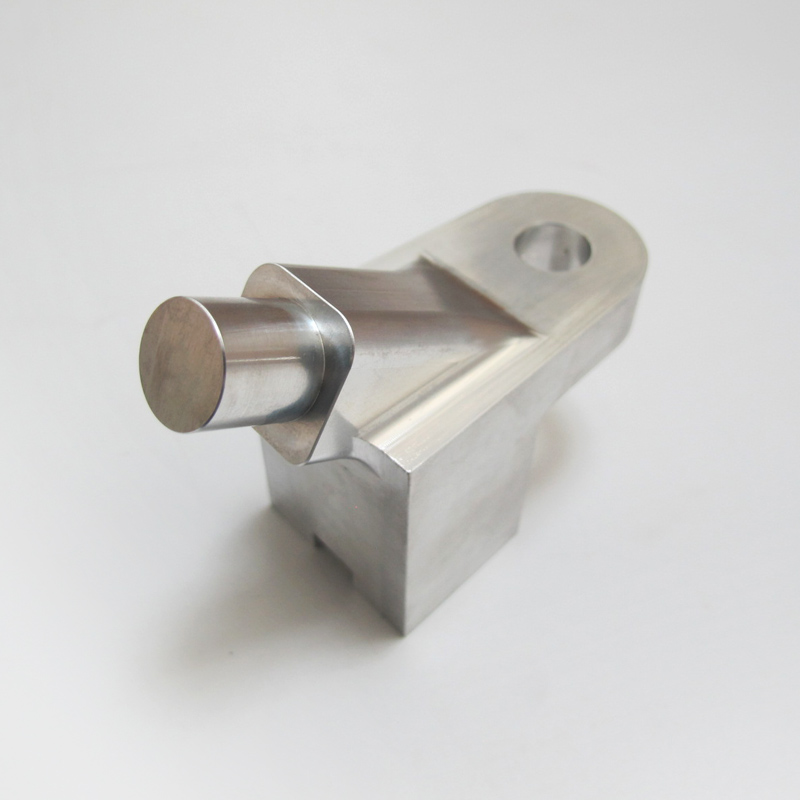
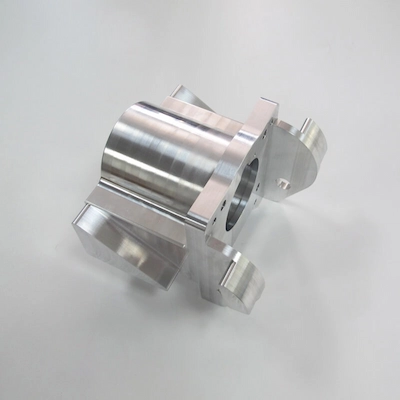
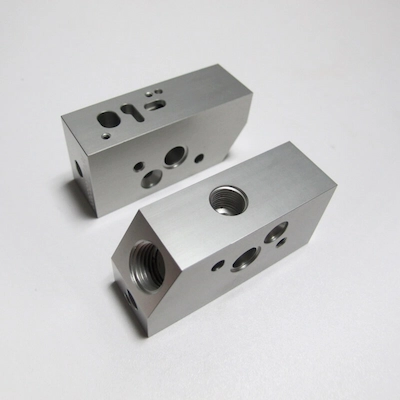
Gallery of CNC Milling Parts
Examples of shapes, materials, and finishes commonly associated with custom CNC milling projects. Replace any image directly in Bricks when your own project photography is ready.
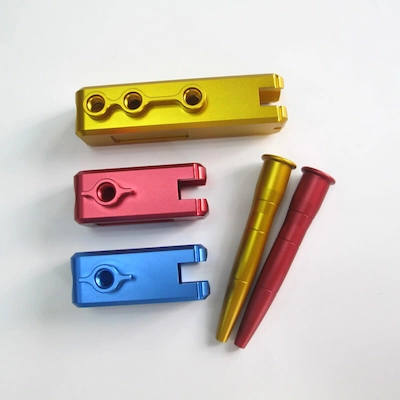
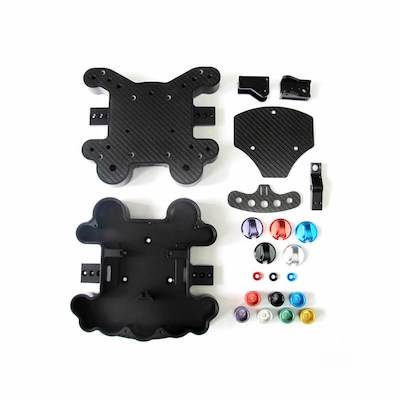
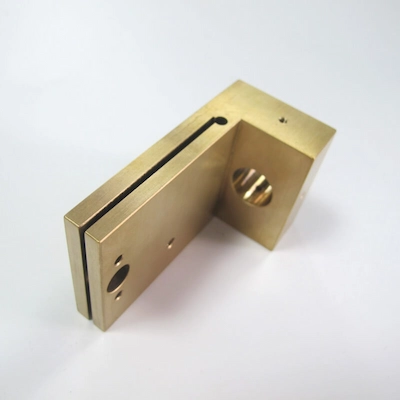
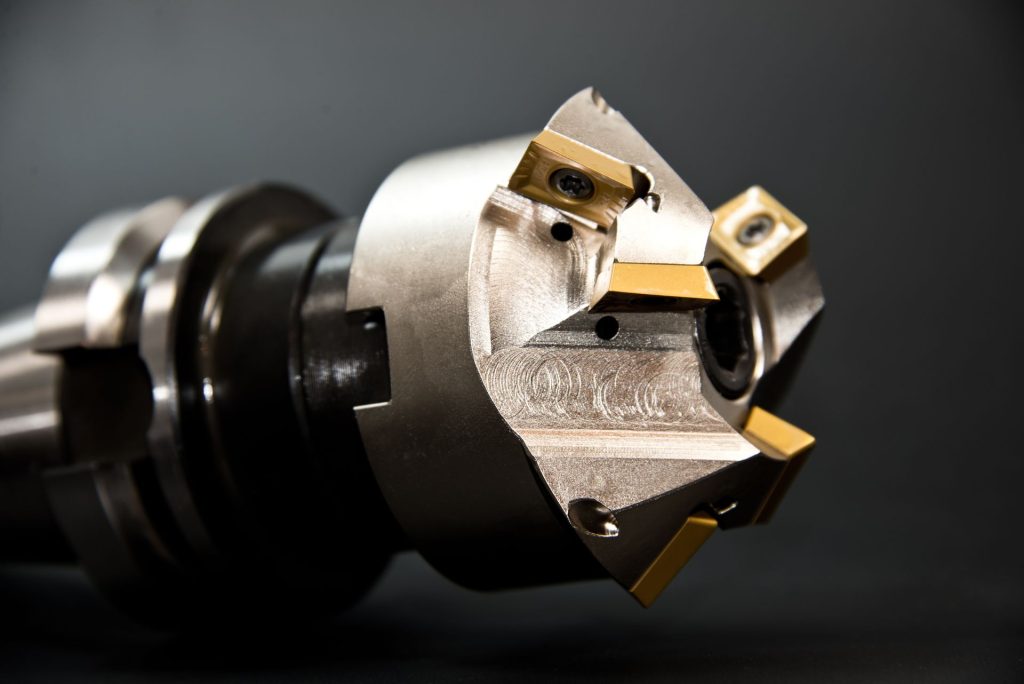
What Is CNC Milling?
CNC milling is a subtractive manufacturing process in which a computer-controlled rotating cutting tool removes material from a fixed or indexed workpiece. Toolpaths are generated from the part model and manufacturing plan.
The process can create flat faces, pockets, slots, threads, bores, contours, and complex three-dimensional surfaces. Axis count, setup strategy, cutter access, rigidity, and inspection method all affect the result.
Repeatable programmed toolpaths
Broad metal and plastic compatibility
Suitable for both functional and cosmetic parts
Compatible with secondary finishing and assembly
Quality Assurance for CNC Milled Parts
Quality planning starts with the drawing. YXT aligns manufacturing datums, inspection methods, and reporting requirements with the features that affect fit and function.
Drawing and Revision Control
The approved drawing, model, material, finish, and revision define the inspection scope.
In-Process Verification
Key dimensions can be checked between operations before the part moves to the next setup.
Final Inspection
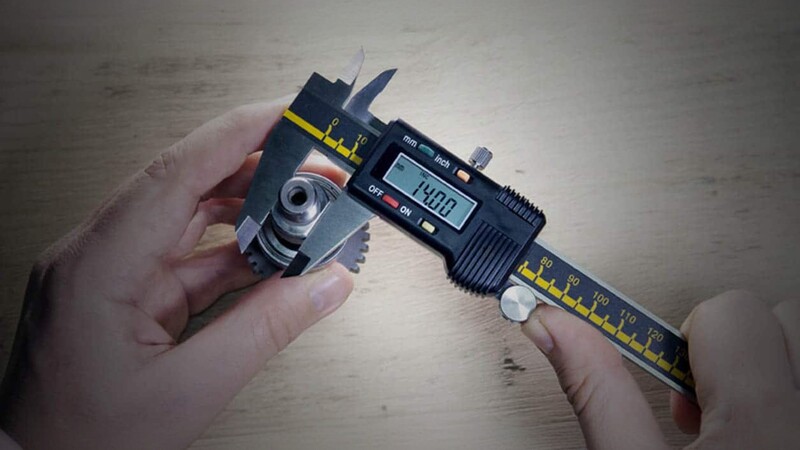
Calipers, micrometers, height gauges, optical equipment, and CMM inspection are selected as required.
Project Records
Inspection reports and material or finish documents can be prepared when specified at quotation.
CNC Milling FAQs
Prepare the right project information and understand the key decisions before production begins.
What information should I provide for a CNC milling quote?
Please provide the 3D model, 2D drawing, material and grade, quantity, finish, critical tolerances, inspection requirements, and requested delivery date.
What tolerances can YXT achieve with CNC milling?
General tolerances depend on the drawing and selected material. Precision metal features may be reviewed from +/- 0.005 mm, while geometry, feature size, wall thickness, finish, and inspection method determine what is practical.
Which materials can be CNC milled?
YXT supports common aluminum, stainless steel, alloy steel, tool steel, brass, copper, titanium, magnesium, and engineering plastics including POM, PMMA, PEEK, nylon, PTFE, PVC, PEI, and PAI.
When should I use 5-axis CNC milling?
5-axis milling is useful for complex surfaces, compound angles, deep features, and parts that would otherwise require several setups. The best process is chosen after reviewing access, tolerance, quantity, and cost.
Can you support both prototypes and production orders?
Yes. The machining route can be planned for one-off prototypes, bridge quantities, low-volume production, and repeat orders. Fixtures and inspection plans are scaled to the project.
Can CNC milled parts receive surface finishing?
Yes. Options include as-machined, smooth machining, polishing, bead blasting, tumbling, anodizing, hardcoat anodizing, powder coating, plating, and other project-specific finishes.
How are CNC milled parts inspected?
Inspection methods are selected from the drawing and may include calipers, micrometers, height gauges, thread gauges, optical measurement, and CMM inspection. Reports should be requested during quotation.
Get Your CNC Milled Parts Into Production
Send your CAD model, drawing, material, quantity, finish, and critical requirements for a practical manufacturing review.