
Plastic CNC Machining, Engineered for Stability
Custom POM, PEEK, nylon, PTFE, acrylic and other engineering plastic parts planned around heat, workholding, material condition and the dimensions that matter in assembly.
Send the 3D model, controlled drawing, exact grade or performance target, quantity and inspection requirements.
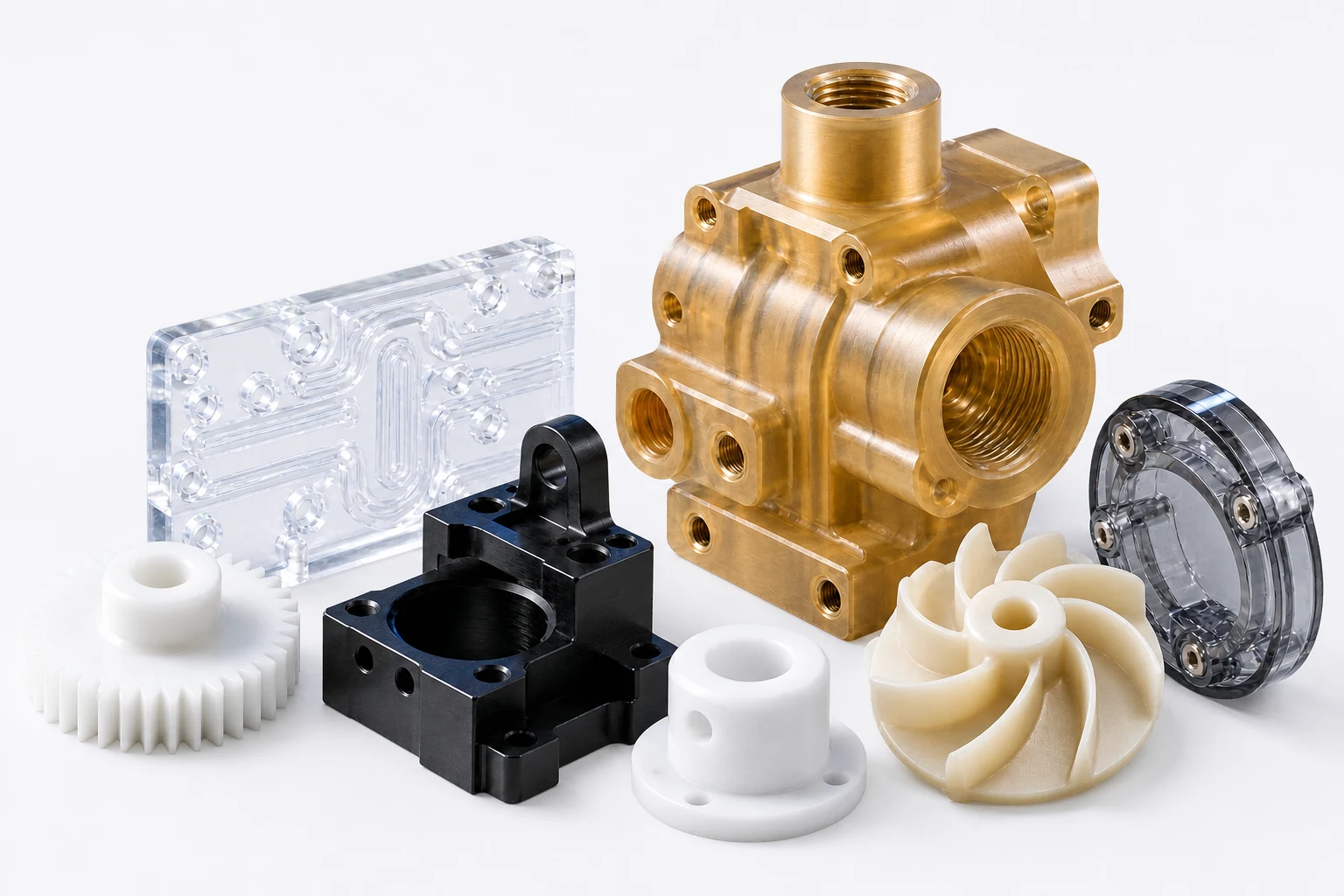
3, 4 & 5-Axis
Milling strategies for complex plastic geometries
Milling + Turning
Housings, manifolds, bushings, gears and fixtures
Prototype to Batch
Drawing-controlled revisions and repeat orders
Feature-Led QA
Inspection planned around functional datums and fits
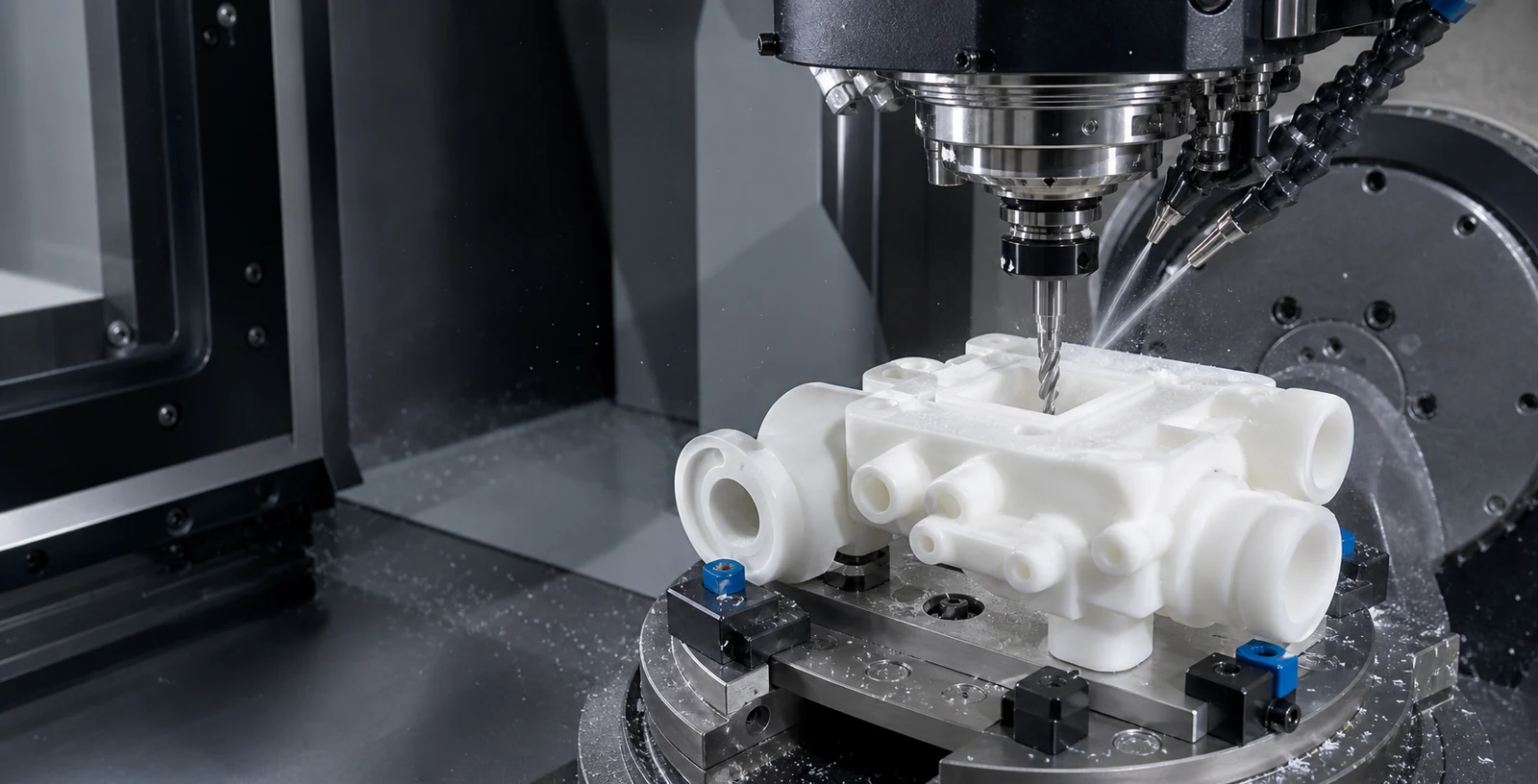
The Toolpath Has to Respect the Polymer
Sharp tools are only the starting point. The machining plan also controls heat input, clamping load, chip evacuation, material condition and when the part is measured.
Control Heat at the Cut
Tool geometry, feed strategy and chip removal are selected to reduce rubbing, melting, smeared edges and heat-driven size change.
Hold Without Distortion
Soft jaws, broad support and staged clamping help protect thin walls, round bores and flat sealing faces from fixture-induced movement.
Plan for Material Condition
Moisture-sensitive or stress-sensitive stock may need conditioning, staged machining or a review of when final inspection should occur.
One Drawing, the Right Process Route
YXT combines milling, turning and reviewed secondary operations so each feature is assigned to a process that protects geometry and surface condition.
Complex CNC Milling
Three-axis, indexed multi-axis and five-axis strategies support manifolds, instrument housings, valve bodies, fixtures and parts with compound access. Setup planning focuses on datum continuity and low-distortion support.
CNC Turning & Swiss-Type Parts
Bushings, rollers, sleeves, seals and small connectors can be turned with attention to soft-material support, clean chip formation and bore-to-OD relationships.
Clear Parts & Reviewed Finishing
Machined acrylic and polycarbonate surfaces naturally show tool patterns. Cosmetic or optical targets are reviewed separately with geometry, material grade and finishing route.
Choose the Plastic by Function, Not Color
A material name alone is not enough. Grade, filler, stock condition, color, certification and service environment can change machinability and dimensional behavior.
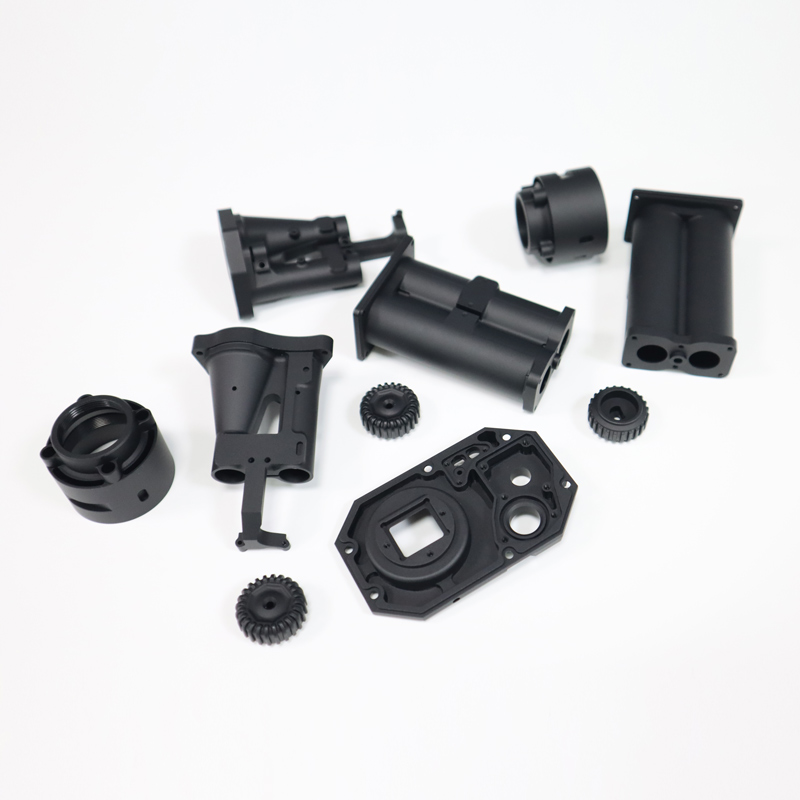
POM
Clean-machining, low-friction material with useful stiffness and dimensional stability for mechanical parts.
Common fit: gears, fixtures, guides, housings
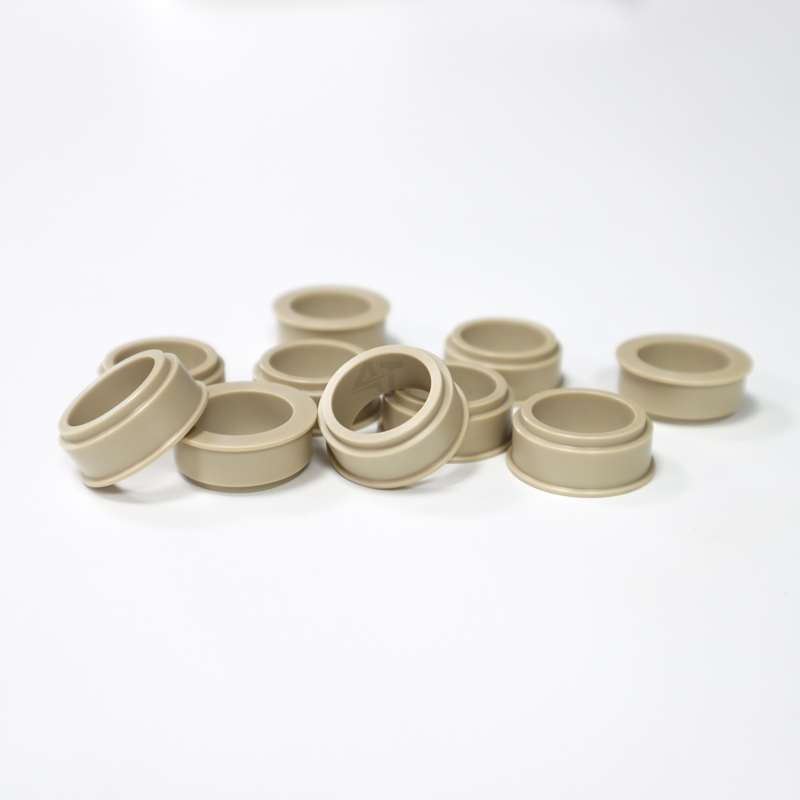
PEEK
High-performance polymer considered for elevated temperature, chemical exposure and demanding mechanical environments.
Common fit: fluid handling, insulators, high-duty components
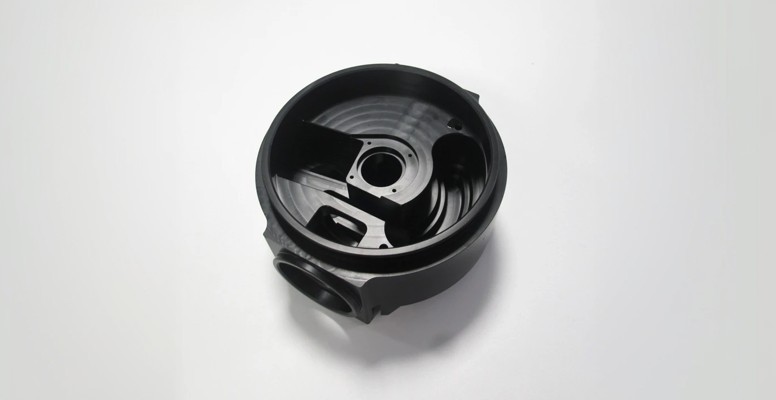
Nylon
Tough, wear-oriented plastic whose moisture uptake and conditioning should be considered for close dimensional requirements.
Common fit: rollers, wear pads, gears, guides
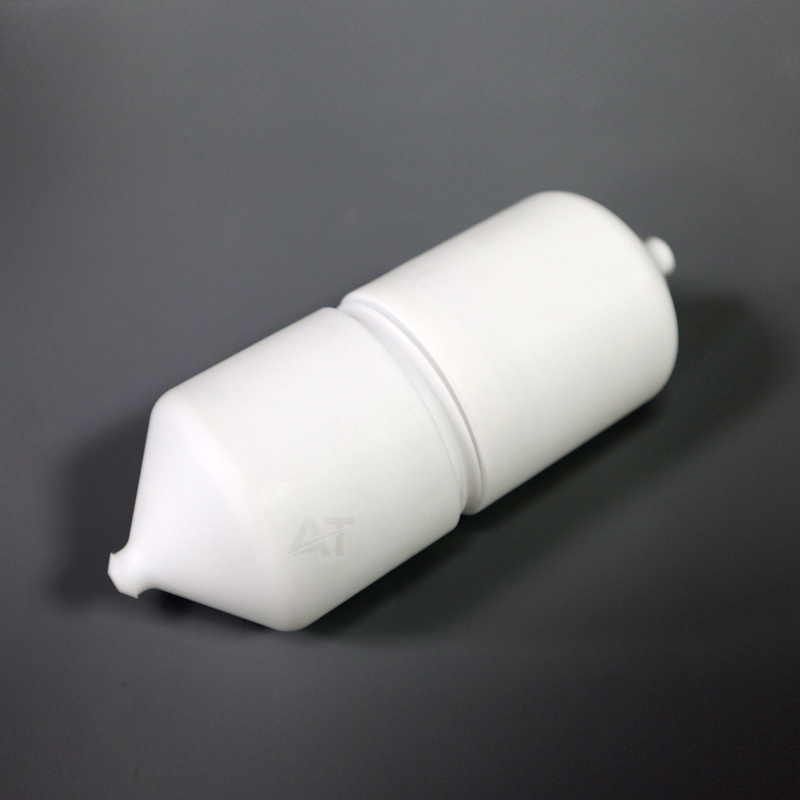
PTFE
Soft, chemically resistant and low-friction material that benefits from careful support and realistic tolerance planning.
Common fit: seals, seats, bushings, isolators
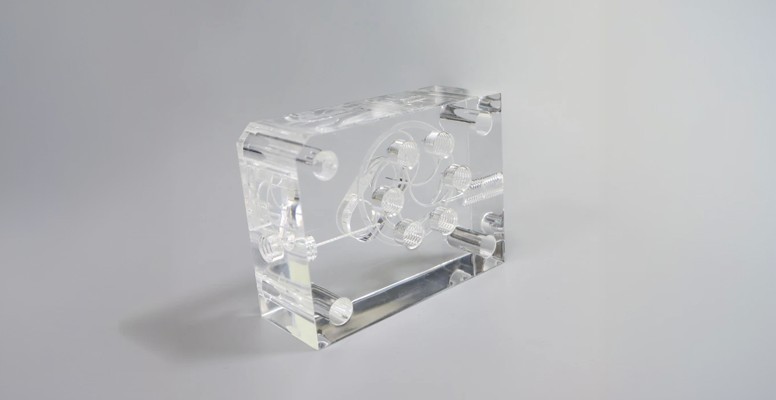
Acrylic
Clear, rigid plastic suited to visual covers, plates and fluidic components when brittle edges and cosmetic faces are planned early.
Common fit: windows, covers, manifolds, light guides
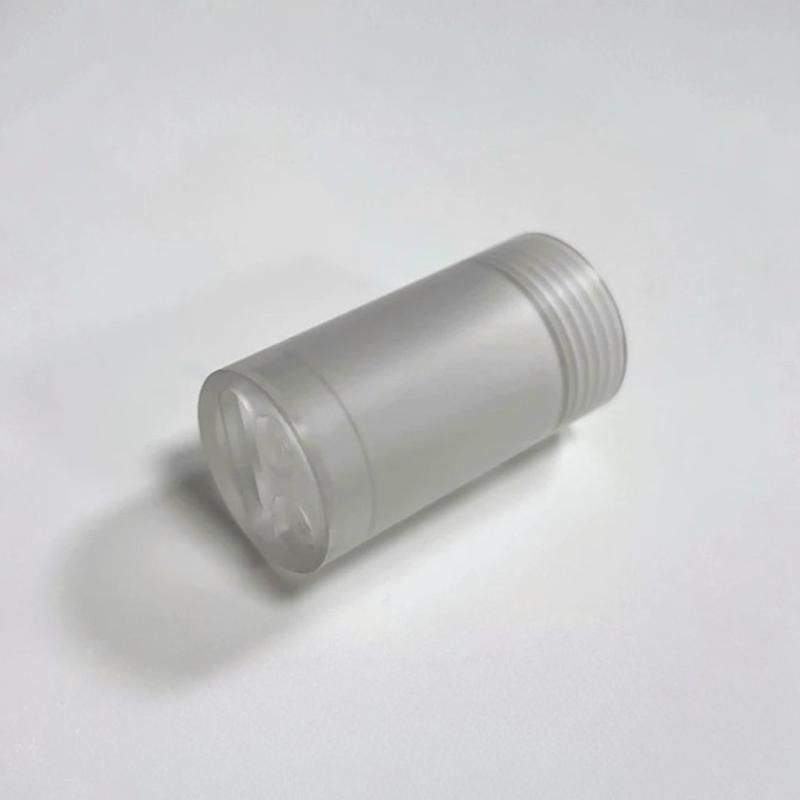
Polycarbonate
Impact-resistant transparent plastic used where toughness matters more than the natural surface hardness of acrylic.
Common fit: guards, covers, transparent housings
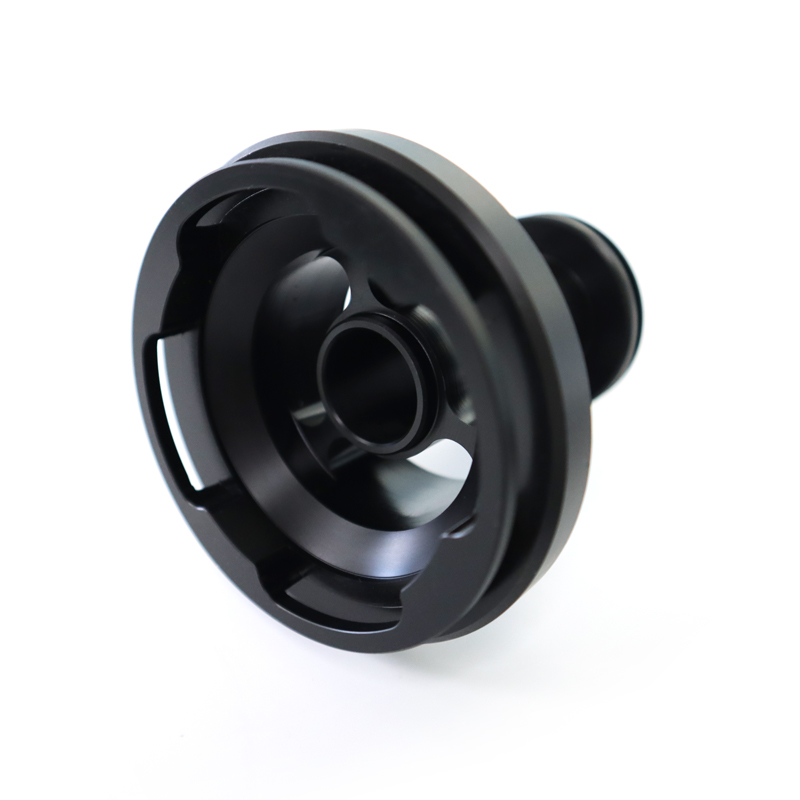
ABS
Cost-conscious engineering plastic for functional prototypes, housings and development parts with moderate service demands.
Common fit: prototypes, enclosures, fixtures
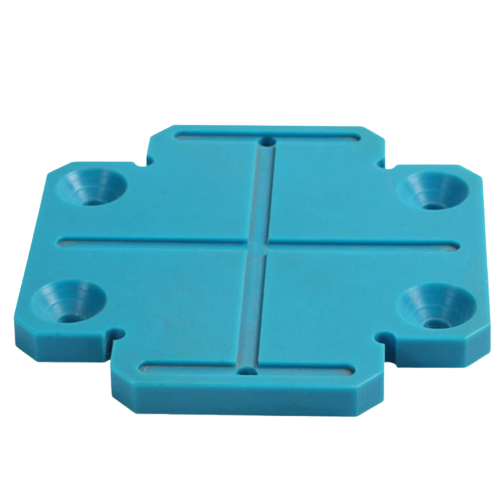
HDPE
Tough, chemically resistant and relatively soft material that requires workholding and heat control appropriate to its flexibility.
Common fit: guides, wear parts, fluid-contact components
Start With the Failure Mode You Need to Avoid
Share the real operating conditions and mating-part requirements. YXT can then review practical stock options before the drawing is released for machining.
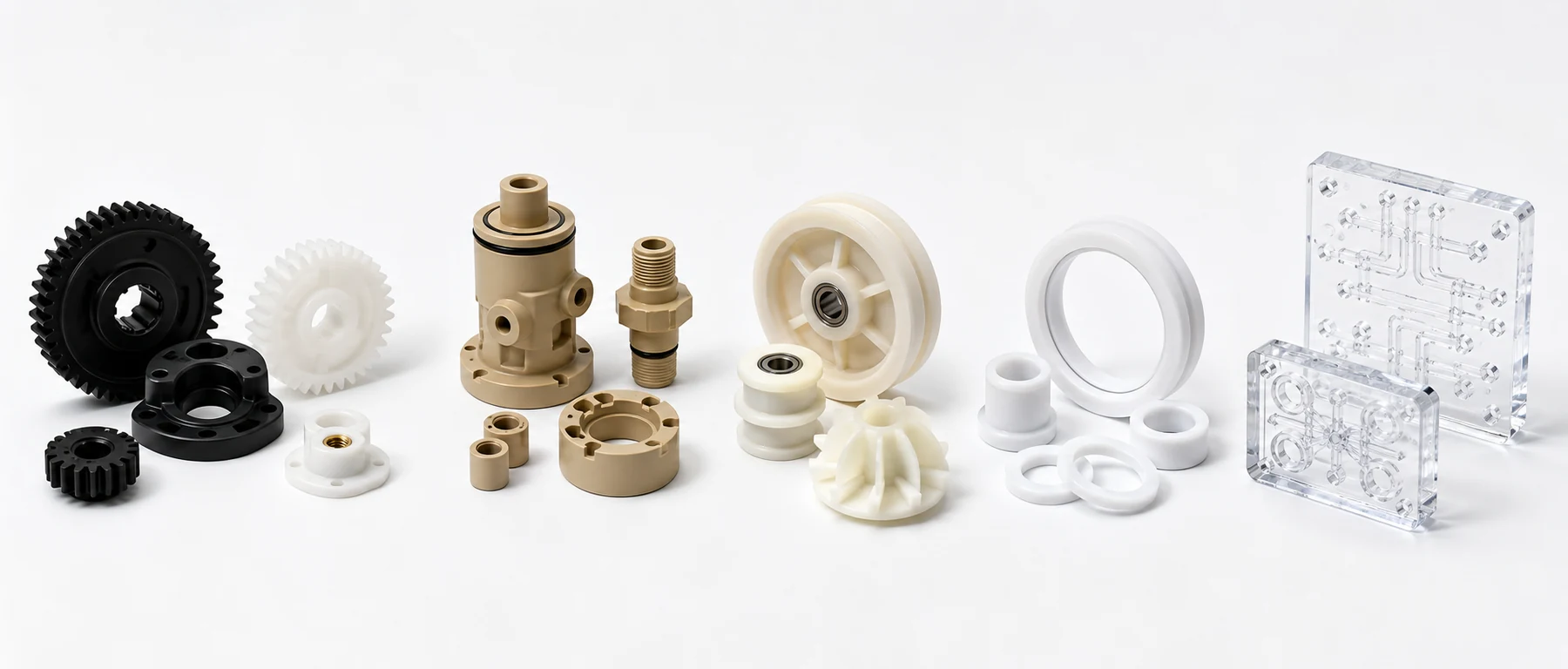
Compare POM, PTFE and UHMW-PE
The load, wear pair, speed, stiffness and dimensional requirement decide which low-friction family is realistic.
Review PEEK, PEI or PPS
Exact grade, continuous exposure, chemical environment and certification requirements should be stated in the RFQ.
Compare acrylic and polycarbonate
Acrylic favors clarity and rigidity. Polycarbonate favors impact resistance. Machined-face appearance must be defined separately.
Define the environment first
Stock condition, moisture, temperature range, wall thickness and datum strategy can matter as much as the nominal material name.
Give the Part Enough Geometry to Stay Accurate
These are review prompts, not universal limits. Final wall, radius, hole, thread and tolerance recommendations depend on the selected polymer and the complete part geometry.
Keep Walls Supported
Use consistent sections where possible and avoid large unsupported thin areas. Flexible walls can move under cutting and inspection force.
Use Practical Internal Radii
Internal corners inherit the cutting-tool radius. Larger, consistent radii improve access, surface quality and tool life.
Control Deep Features
Deep pockets and high depth-to-diameter holes increase heat, tool deflection and chip-removal difficulty, especially in softer polymers.
Plan Threads for Service Life
Coarse plastic threads suit light duty. Repeated assembly or higher clamp load may justify a specified metal insert or separate fastener strategy.
Tolerance Only Functional Features
Identify the datums, fits and sealing faces that control function. Applying the tightest tolerance everywhere raises cost without improving the assembly.
State Material Grade and Condition
Call out exact resin, filler, stock form, color, conditioning and any required material documents to avoid substitutions that change performance.
Typical capability is confirmed after drawing review. Plastic tolerances depend strongly on geometry, material behavior, feature size and measurement conditions.
From Material Question to Repeatable Plastic Parts
The process keeps the selected material, released drawing and inspection scope connected from quotation through repeat orders.
Review the Package
Confirm CAD, drawing, quantity, application, critical features and the requested material or performance target.
Lock Material & Method
Agree the resin grade, stock form, process route, workholding concept and any conditioning or finishing assumptions.
Machine the First Parts
Use staged operations and controlled support where needed, then protect cosmetic and functional surfaces during handling.
Inspect the Critical Features
Measure the agreed datums, fits and interfaces with a method appropriate to the part stiffness and drawing requirement.
Release & Repeat
Record the approved revision and manufacturing assumptions for the next prototype, batch or repeat order.
Plastic Parts That Do More Than Reduce Weight
Engineering plastics can isolate, guide, seal, resist chemicals or provide clear flow visibility. The right choice follows the actual service condition.
Automation & Motion Hardware
Guides, rollers, gears, nests and low-friction interfaces for production equipment and controlled mechanical motion.
Semiconductor & Electronics Equipment
Insulators, vacuum-compatible candidates, handling fixtures and chemically resistant components reviewed to the specified environment.
Medical & Laboratory Equipment
Non-implant equipment parts, instrument housings, manifolds and fixtures manufactured to the released drawing and documentation scope.
Fluid Handling & Packaging Machinery
Valve components, nozzles, guides, seals and wear parts where chemical compatibility and clean geometry matter.
Different Polymers, Different Machining Priorities
Each image and caption below is a separate Bricks element, so the gallery can be replaced with future YXT production photos without rebuilding the section.
Small-Batch POM Components
Clean edges, bores and mechanical interfaces for repeatable assembly.
Precision PEEK Components
High-performance polymer parts with turned and milled detail.
Machined Nylon Component
Wear-oriented geometry planned around material flexibility and moisture response.
Turned PTFE Component
Low-friction part requiring gentle support and realistic size control.
Clear Acrylic Part
Transparent geometry with separately defined cosmetic and edge requirements.
Impact-Resistant Clear Part
Machined transparent plastic with natural tool-pattern expectations.
Functional ABS Prototype
Cost-conscious engineering plastic for development and equipment parts.
HDPE Wear Component
Tough chemical-resistant material machined with controlled clamping and heat.
Measure the Feature Without Moving the Part
Inspection force, temperature, support and time after machining can influence a plastic reading. The method should match the functional requirement, not simply copy a metal-part routine.
Incoming Material Identity
Confirm the ordered grade, color, stock form and requested material documentation before machining begins.
Datum-Based First Article
Inspect the drawing-defined datum structure and critical interfaces on the first approved parts or as requested in the RFQ.
Low-Force Measurement
Use suitable support and measurement force for flexible walls, soft seals and thin sections so the check does not distort the feature.
Cosmetic Surface Review
Separate dimensional acceptance from visual criteria and define clear, polished, frosted or as-machined faces before production.
Revision & Repeat Control
Keep the released drawing revision, approved material and agreed inspection scope connected to repeat production.
Questions Before a Plastic Part Is Released
Final capability, tolerances and process assumptions are confirmed against the actual part geometry, material and drawing package.
What files should I send for a plastic CNC quote?
Send the 3D CAD model and controlled 2D drawing together with quantity, exact material grade or performance target, color, critical dimensions, mating-part information, cosmetic faces, inspection records and any required material documents.
Can plastic parts hold the same tolerances as metal parts?
Not automatically. Plastic stiffness, thermal expansion, moisture response, wall geometry and measurement conditions can produce more variation than metal. Tight dimensions should be limited to functional features and reviewed against the exact polymer and geometry.
How does YXT reduce warping and heat damage?
The process may use sharp plastic-appropriate tooling, controlled engagement, effective chip removal, broad workholding support, staged material removal and a review of stock condition or stress relief where the project requires it.
Can machined acrylic or polycarbonate be optically clear?
Machined faces normally show tool patterns and may appear translucent or frosted. If transparency, polished edges or a specific cosmetic result is required, identify those faces on the drawing so the finishing route can be reviewed separately.
Do you provide material certificates?
Material documentation can be reviewed as part of the quotation when requested in advance. State the exact certificate, traceability and supplier requirements with the RFQ because availability depends on material, grade and stock source.
Should threads be machined directly into plastic?
Direct plastic threads can suit light-duty or limited-use assemblies. Repeated assembly, higher clamp load or fine pitch may justify a coarse thread, through-bolt or specified metal insert. The mating fastener and service cycle should be shared for review.
Can YXT support prototypes and repeat batches?
Yes. YXT can review one-off prototypes, engineering quantities and repeat batches. The practical route depends on geometry, stock availability, inspection scope and volume. Very high annual demand may also justify comparing machining with molding.
Send the Plastic Part Package for Review
YXT will review the material, geometry, critical features, quantity and inspection needs, then return the manufacturing assumptions that control quotation.
2D drawing and 3D CAD
Exact grade or performance target
Critical fits and cosmetic faces
Quantity and documentation scope