
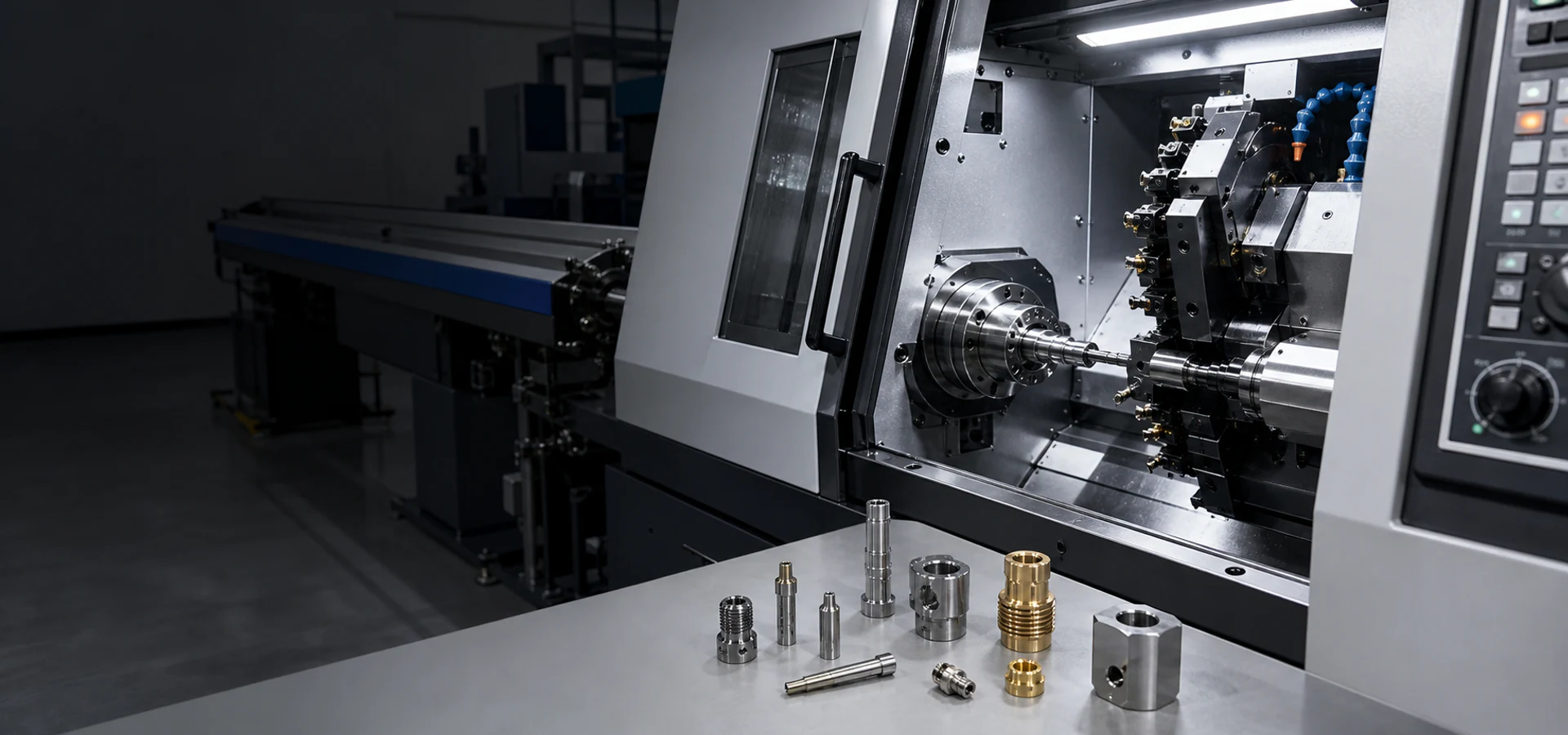
Precision Medical Device Machining Services
Custom CNC components for medical equipment, diagnostics, laboratory instruments and surgical tools, from prototype review to repeat production.
+/- 0.005 mm
Drawing-dependent tolerance review for suitable features
3, 4 & 5 Axis
Milling, turning, Swiss and secondary machining routes
Prototype to Production
Development, validation-lot and repeat-order support
Project Documentation
Inspection and material records when agreed at quotation
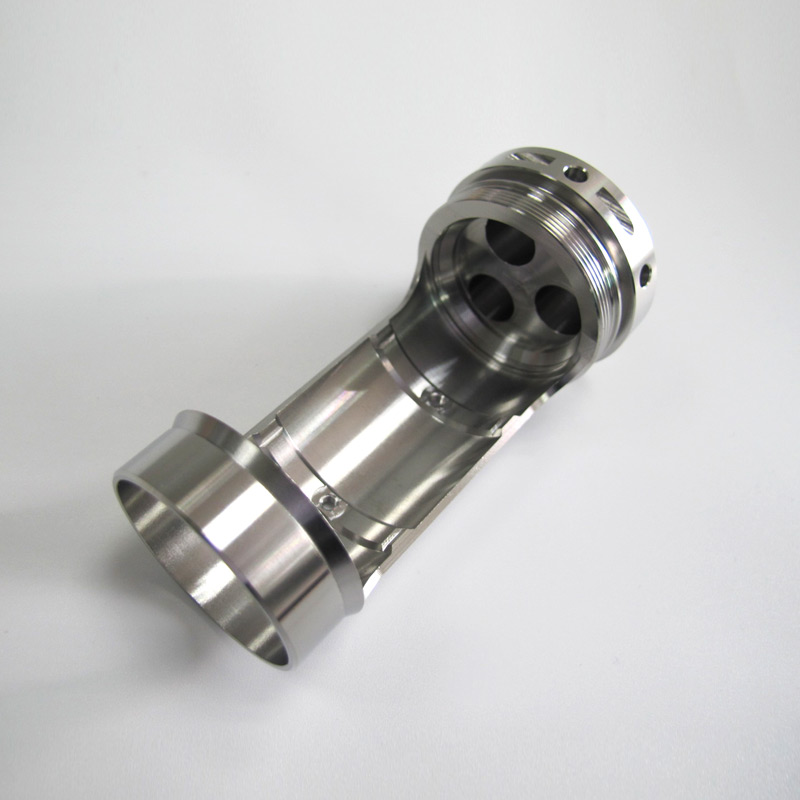
Critical dimensions start with controlled requirements
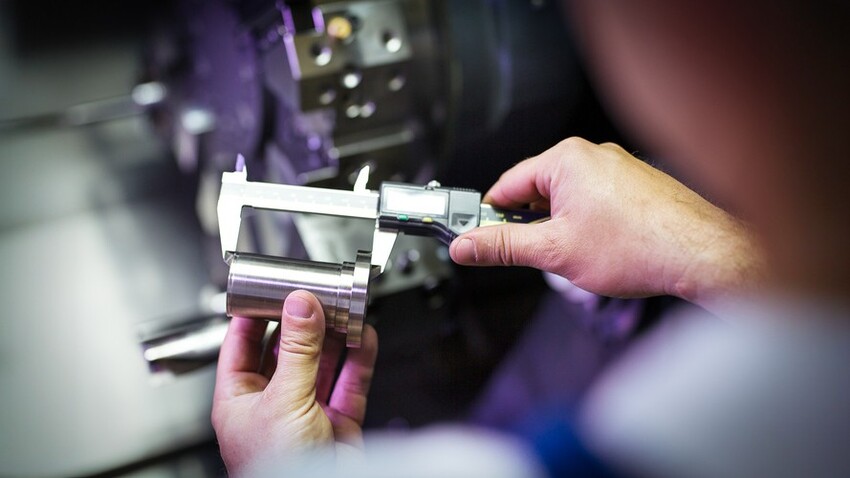
Medical equipment components often combine tight fits, small features, cosmetic surfaces and revision-sensitive geometry. YXT reviews the released drawing, datums, critical-to-quality features and inspection method before defining the machining route.
Drawing revision and CTQ review before programming and setup
First-piece verification before the remaining quantity proceeds
In-process checks matched to tool wear and feature risk
Final inspection scope agreed with the customer during quotation
Materials selected around the device environment
Strength, corrosion, cleaning, temperature, mass, friction, optical behavior and sterilization exposure can all affect the material decision. YXT machines customer-specified grades and reviews certification needs before ordering stock.
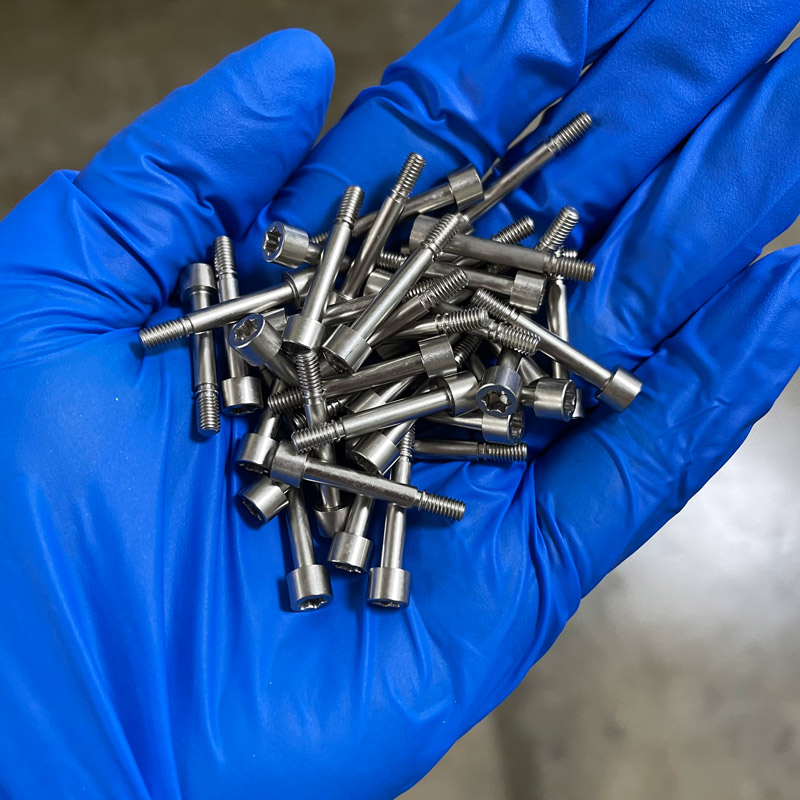
Titanium Alloys
High specific strength and corrosion resistance for precision hardware where low mass and durable performance matter.
Typical grades: Grade 2, Grade 5, Grade 23 ELI
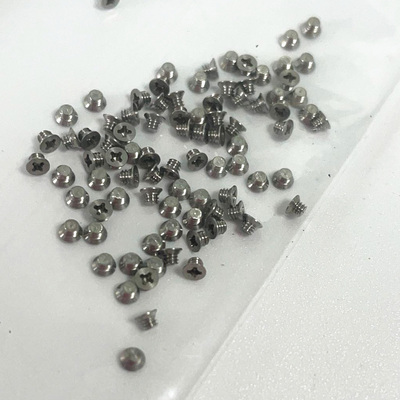
Stainless Steels
Reliable machinability, strength and corrosion resistance for fasteners, instrument hardware and reusable equipment components.
Typical grades: 303, 304, 316L, 17-4PH
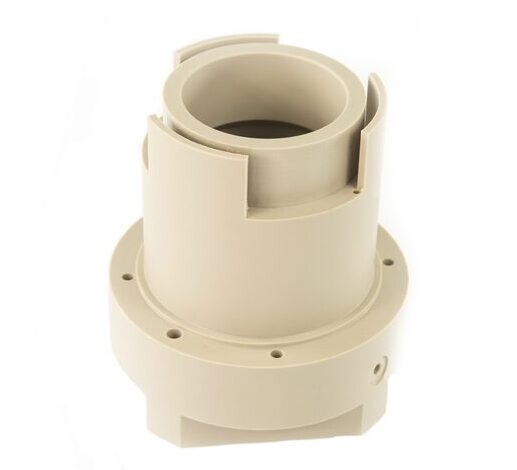
PEEK
A high-performance engineering polymer considered for lightweight, chemically resistant and electrically insulating components.
Grade and certification must be specified
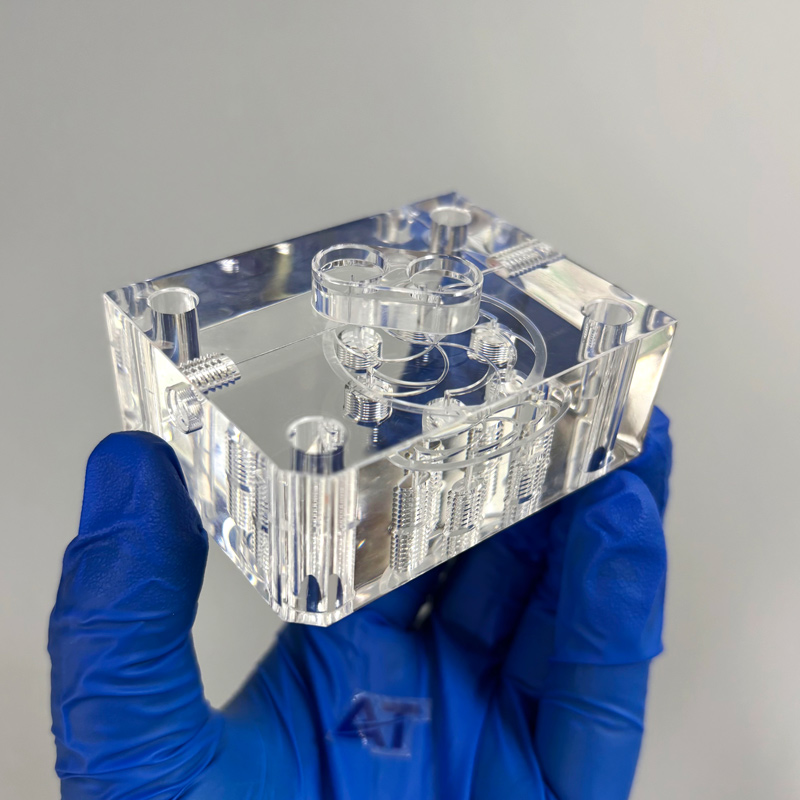
PMMA & Engineering Plastics
Transparent, dimensionally stable or low-friction plastics for diagnostic fixtures, fluid-handling hardware and instrument components.
Options include PMMA, POM, PC, PTFE and PA
Biocompatibility, sterilization compatibility and regulatory suitability are application-specific. The device owner must define and validate the approved material, supplier, condition and acceptance requirements.
Machining routes for complex medical equipment components
Multi-face geometry, small diameters, deep features and difficult materials may require several coordinated processes. The route is selected to protect datums, surface condition and inspection access.
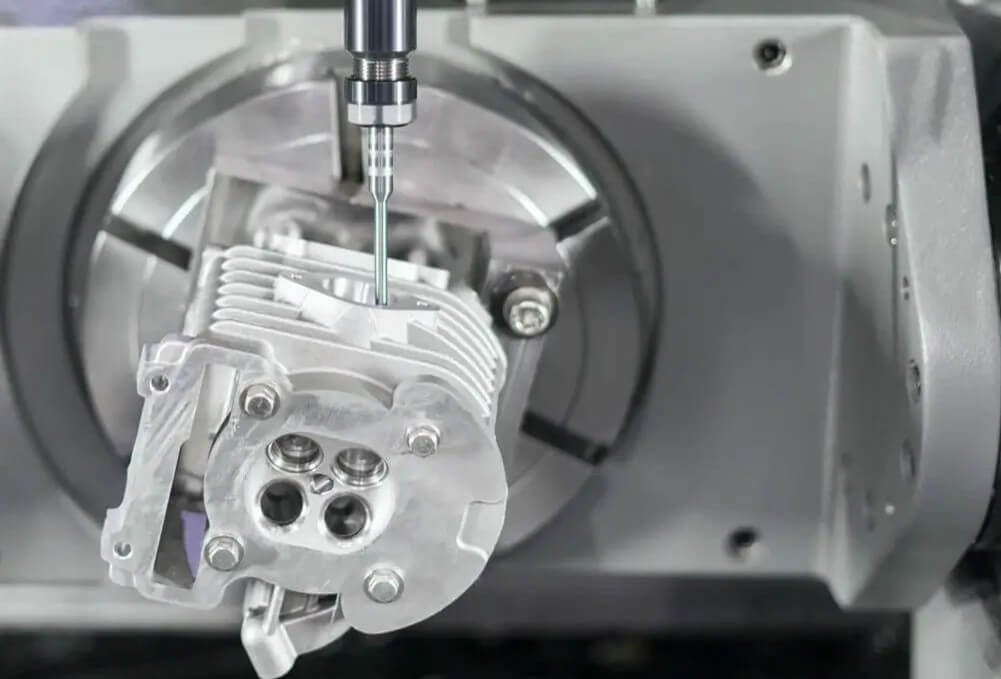
5-Axis CNC Machining
Reduces repositioning for angled holes, contoured surfaces and multi-face features while helping preserve feature relationships.
View Related CapabilitySwiss CNC Machining
Supports long, slender and miniature turned parts with threads, grooves, flats and cross holes in fewer handling stages.
View Related Capability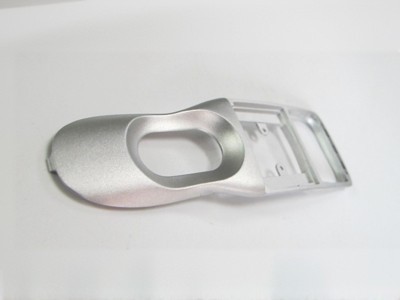
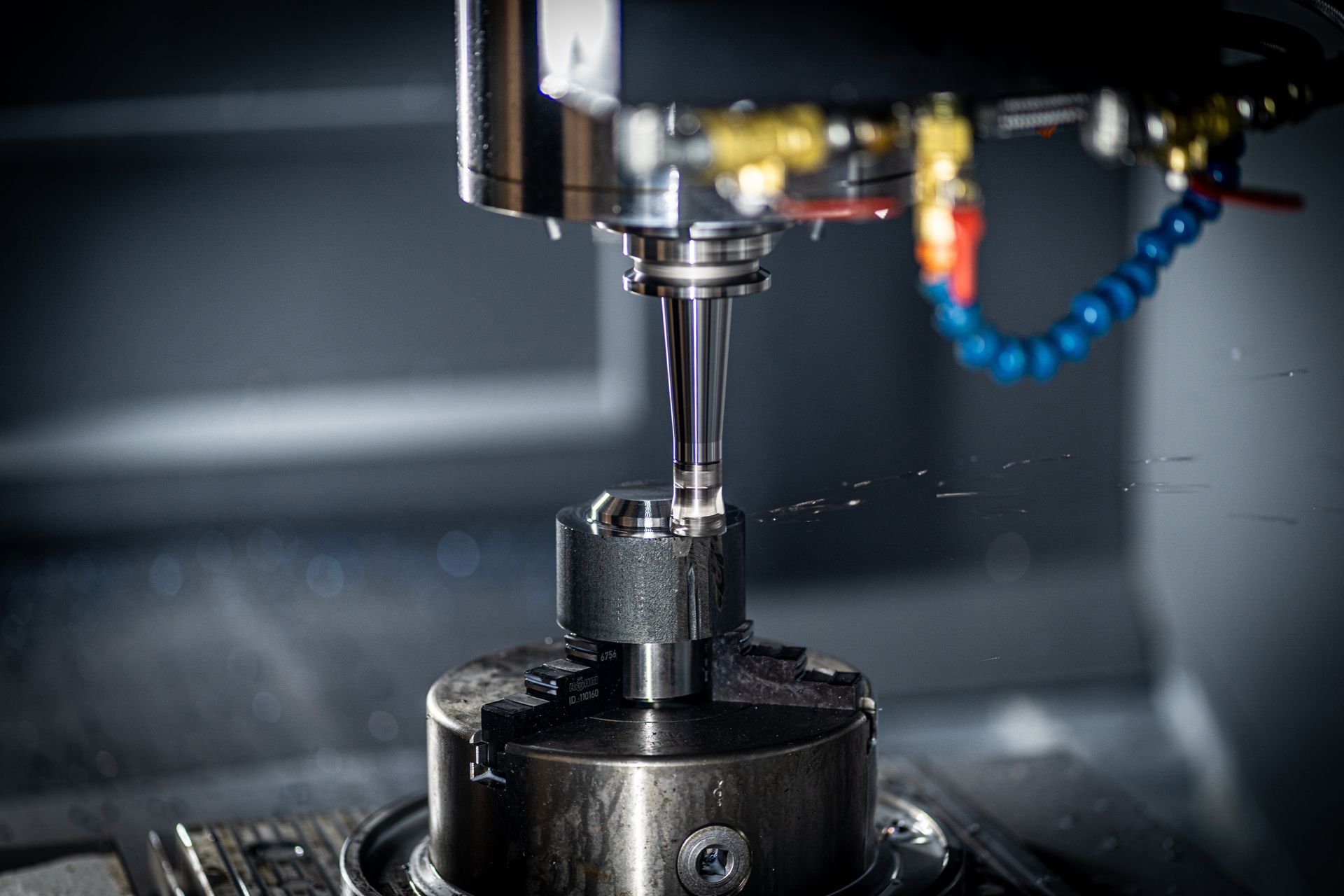
CNC Milling & Turning
Combines prismatic and rotational machining for housings, instrument interfaces, fasteners, shafts and precision fixtures.
View Related Capability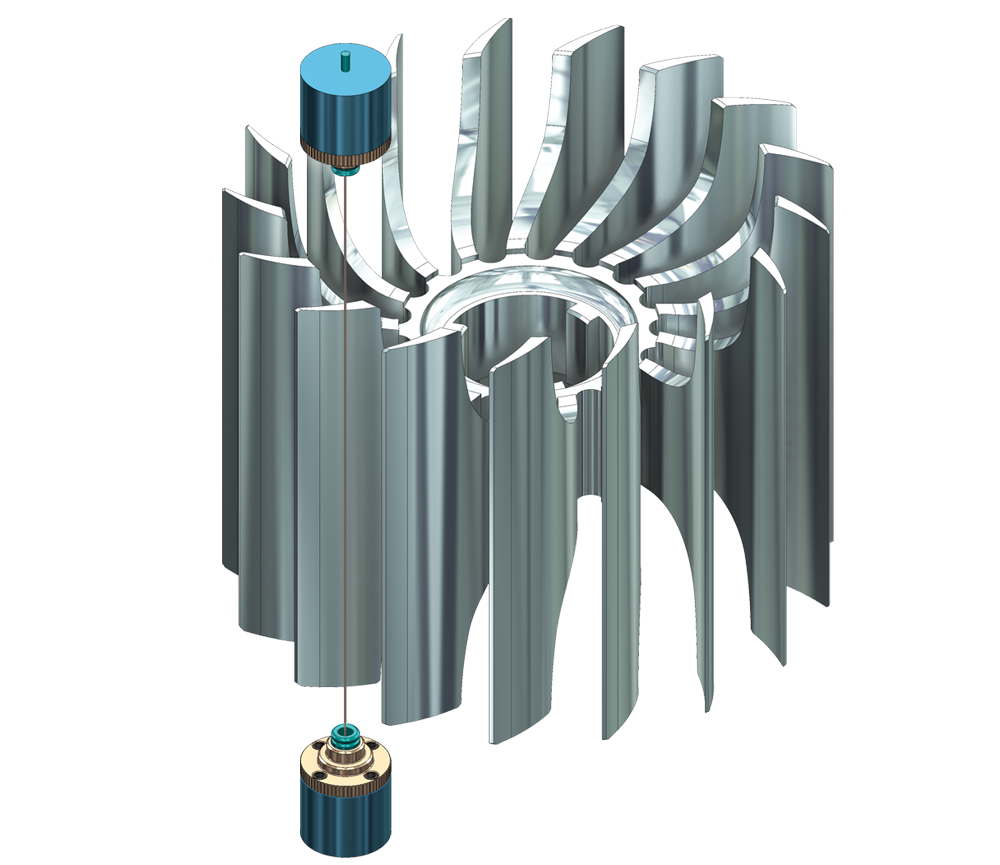
Wire EDM & Secondary Processes
Adds narrow slots, sharp internal geometry and features that are difficult to reach by conventional cutting tools.
View Related CapabilityPrecision components for medical and laboratory equipment
Representative examples show the range of materials and geometry YXT can review. The final application, regulatory classification and validation requirements remain controlled by the device owner.
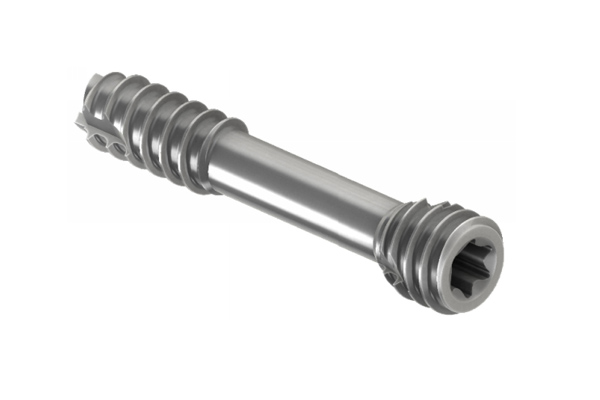
Surgical Instrument Hardware
Miniature Medical Fasteners
Diagnostic & Laboratory Fixtures

Robotic Equipment Interfaces
PEEK Equipment Components
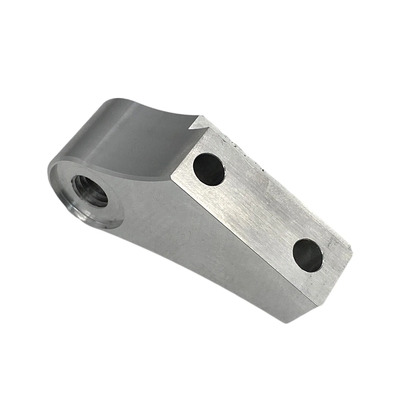
Titanium Precision Hardware
A controlled path from prototype to repeat production
Medical equipment programs often evolve through drawing revisions, engineering trials and validation quantities. YXT confirms the current revision, quantity and inspection scope at each commercial stage rather than treating every order as identical.
Drawing & DFM Review
Review geometry, CTQ features, material, finish, documentation and potential inspection constraints before quotation.
Prototype Build
Machine development parts for fit, function and design learning with revision status clearly identified.
Validation Quantity
Plan repeatable workholding and an agreed inspection scope for pilot or verification lots.
Repeat Production
Maintain the released revision, approved route and order-specific records while monitoring process consistency.
Lead time is quoted from confirmed drawings, material availability, process routing, quantity, finishing and documentation requirements. Regulatory urgency does not remove the need for agreed acceptance criteria.
Control manufacturing cost without weakening critical requirements
The right savings come from clarifying function and reducing process risk. YXT flags manufacturing choices that may simplify setup, inspection or material use while leaving design authority with the customer.
Design Optimization
Focus tight tolerances and fine finishes on features that drive fit, sealing, motion, optics or measurement performance.
Process Consolidation
Use multi-axis or mill-turn routing where fewer setups can improve feature relationships and reduce handling.
Material Planning
Confirm grade, stock form, certification and oversize allowance early to avoid avoidable purchasing and machining waste.
Inspection Strategy
Define CTQ features and report scope so measurement effort supports real acceptance needs instead of duplicating checks.
Confidential project handling begins before quotation
Medical device programs can include unreleased concepts, proprietary interfaces and sensitive performance requirements. YXT can review a mutual NDA before detailed files are shared and limits project information to the people needed for quotation and production planning.
Mutual NDA review available before detailed design exchange
Project files identified by customer, revision and part number
Supplier sharing limited to approved processes and necessary scope
No customer logos, product names or case details published without permission
Documentation options aligned with the purchase requirement
Documentation is not assumed or added after shipment. State the required records during RFQ so YXT can confirm supplier support, inspection resources, report format and retention expectations before quotation.
First article report
Available when scope, ballooned drawing and reporting format are agreed.
Dimensional inspection
Summary or feature-level report based on specified CTQ dimensions.
Material records
Supplier certificate or material report when requested and available for the selected stock.
Certificate of conformity
Provided when included in the purchase and quotation requirements.
Finish or treatment record
Supplier documentation can be coordinated for quoted outsourced processes.
Lot traceability
Part, order and material-lot traceability defined to the agreed project scope.
YXT supplies machined components to customer specifications. Device classification, design validation, risk management, biocompatibility, sterilization validation and regulatory submission remain the responsibility of the legal manufacturer unless a separate written scope states otherwise.
Questions about medical equipment component machining
Send the latest drawing and supplier requirements for advice tied to your actual device component and quality plan.
Ask YXT an Engineering QuestionWhat types of medical equipment components can YXT machine?
YXT reviews custom components for diagnostic equipment, laboratory instruments, surgical tools, robotic systems, imaging hardware, fluid-handling fixtures, precision fasteners and other non-finished medical equipment assemblies. Suitability is confirmed from the released drawing and application requirements.
Which materials are commonly used for medical device components?
Common choices include titanium, stainless steel, aluminum, PEEK, PMMA, POM, PTFE and other engineering plastics. The customer must define the approved grade, condition, supplier restrictions, biocompatibility and sterilization requirements for the intended application.
How tight can machining tolerances be?
Suitable features may be reviewed down to +/- 0.005 mm. Achievable tolerance depends on material, geometry, wall thickness, feature size, datum definition, process sequence, finish and inspection access. Final values are confirmed during drawing review.
Can YXT provide inspection and material documentation?
Yes, when the required scope is stated during RFQ and confirmed in the quotation. Options may include first article reports, dimensional inspection records, material certificates, certificates of conformity, treatment records and agreed lot traceability.
Does YXT provide cleanroom assembly or sterilization?
This page covers precision machining of components. Cleaning, passivation, special packaging, cleanroom handling or sterilization are provided only when explicitly reviewed and confirmed in writing. Final cleanliness and sterilization validation remain the device owner’s responsibility.
Can YXT support prototypes and repeat production?
Yes. YXT can review engineering prototypes, verification quantities and repeat orders. Workholding, process routing, inspection frequency and documentation are planned around the current revision, quantity and expected program stage.
Ready to review your medical component project?
Send YXT your CAD files, dimensioned drawing and supplier requirements. We will review the manufacturing route, CTQ features, material, finishing, inspection scope and quotation assumptions.
INCLUDE WITH YOUR RFQ
3D CAD and controlled 2D drawing revision
Material, approved condition and supplier restrictions
Prototype and expected repeat-order quantities
CTQ features, finish and documentation requirements