
Precision 5-Axis CNC Machining Services
Produce intricate metal and plastic parts with fewer setups, controlled relationships between critical features, and tolerance support down to +/-0.005 mm where geometry and material allow.
Model and drawing requirements
Tool access and setup review
Process selected for the part
Drawing-defined inspection
What Is 5-Axis CNC Machining?
5-axis CNC machining coordinates the X, Y, and Z linear axes with two rotary axes. The cutting tool can approach a workpiece from multiple directions while the machine maintains a controlled tool path.
Compared with conventional 3-axis work, this expanded access can reduce refixturing, reach compound angles and deep features, and hold relationships between critical faces within one setup.
YXT uses 5-axis machining for complex housings, impellers, medical components, aerospace parts, robotic joints, and other geometry that benefits from fewer setups and consistent datum control.
Advantages of 5-Axis CNC Machining
The process is most valuable when the geometry, tolerance stack, and number of machined faces justify reducing setups and keeping tool access continuous.
High Precision
Fewer datum transfers help protect positional relationships. Suitable features can be reviewed around tolerances down to +/-0.005 mm, subject to geometry, material, and inspection method.
Incredible Flexibility
Five controlled axes allow the tool to reach compound angles, sculpted surfaces, undercuts, and multiple faces that are difficult to machine with conventional setups.
Efficient Process
Machining several faces in one setup reduces refixturing, shortens setup time, and lowers the chance of alignment variation between operations.
Speedy Production
A consolidated machining plan can shorten prototype and low-volume schedules while making repeat production easier to control.
Cost Savings
Although 5-axis machine time is more specialized, lower fixture count, reduced handling, and fewer secondary setups can improve total project economics.
5-Axis Versus 3+2 Axis CNC Machining
Both methods add rotary positioning to conventional milling. The difference is whether the rotary axes move continuously during cutting or index the part between operations.
3-Axis, 4-Axis, and 5-Axis CNC Machining
Use this overview as a starting point. The most economical process depends on geometry, tolerance, material, batch size, and inspection requirements.
Note: Final process selection is confirmed after reviewing your model, drawing, critical dimensions, quantity, and finish.
Materials for 5-Axis CNC Machining
Match material performance, machinability, surface finish, and project cost with practical engineering guidance from prototype through repeat production.
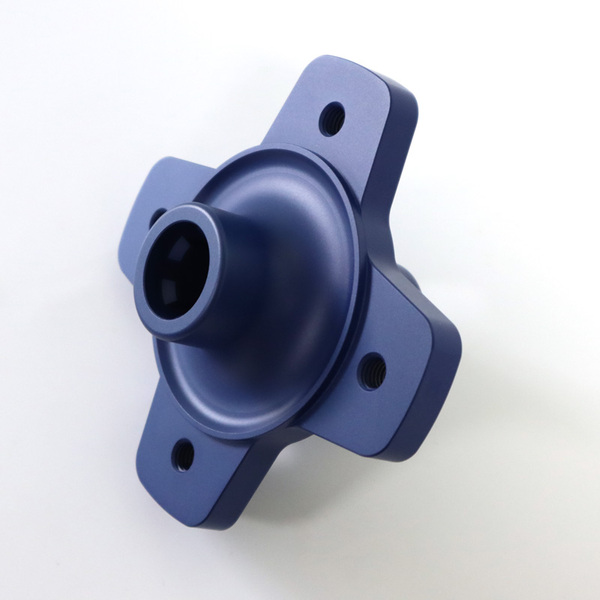
Aluminum
Lightweight, conductive, and highly machinable for housings, brackets, aerospace parts, and complex prototypes.
View Material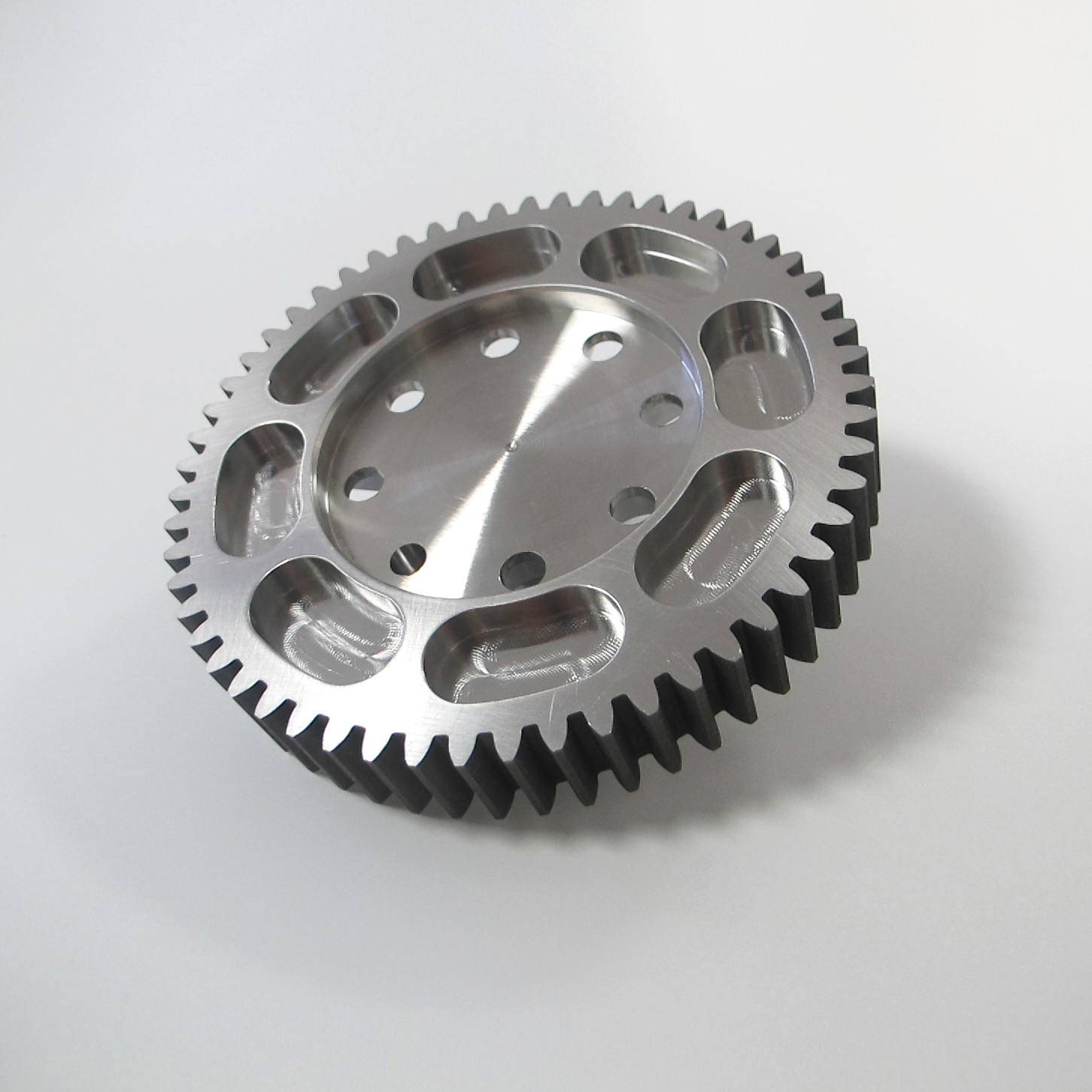
Stainless Steel
Corrosion-resistant and strong for medical, food equipment, marine, and demanding industrial components.
View Material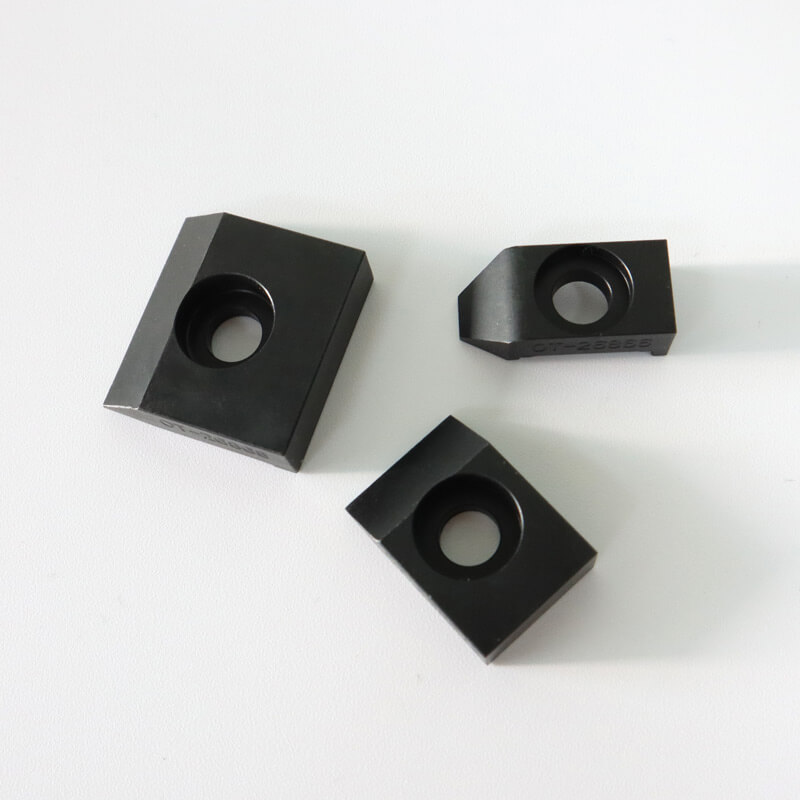
Alloy Steel
High strength, toughness, and wear resistance for shafts, fixtures, tooling, and load-bearing parts.
View Material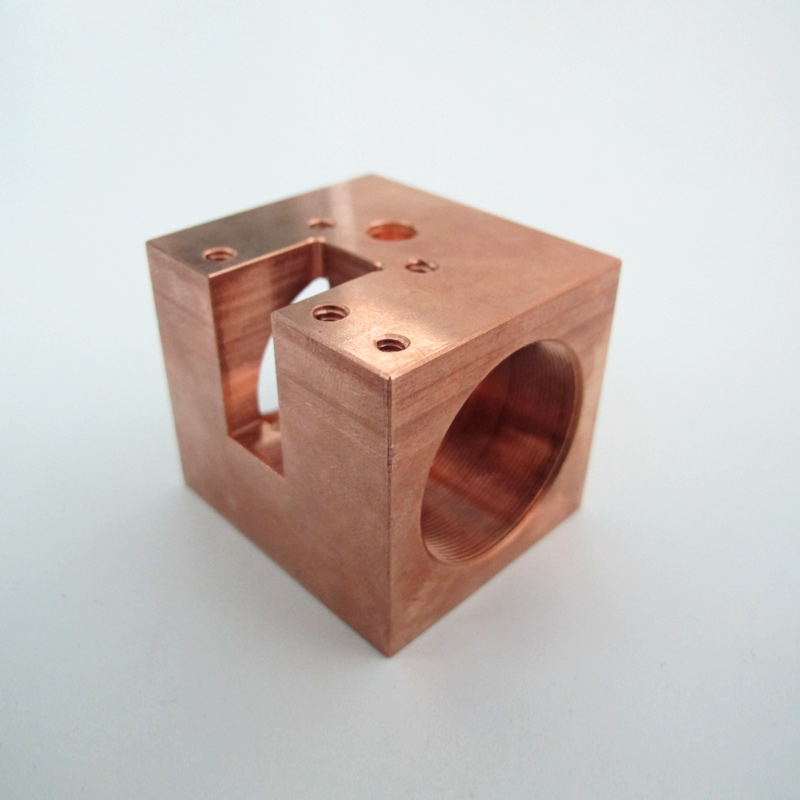
Copper
Excellent electrical and thermal conductivity for electronics, cooling, electrodes, and power components.
View Material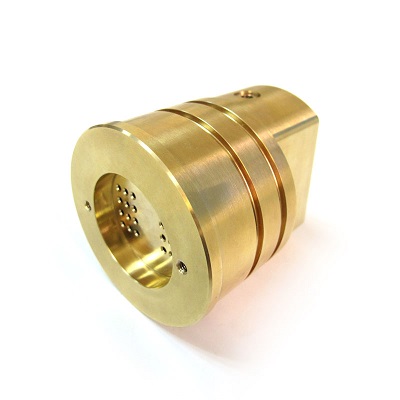
Brass
Reliable machinability, corrosion resistance, and visual quality for fittings, valves, and precision hardware.
View Material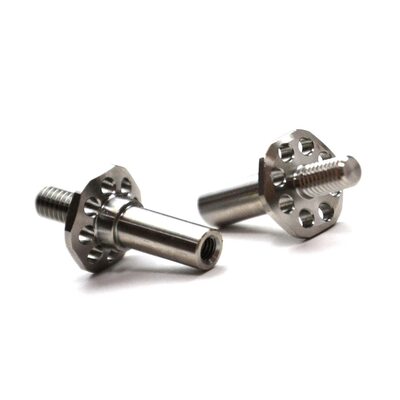
Titanium
High strength-to-weight ratio and corrosion resistance for aerospace, medical, and high-performance parts.
View Material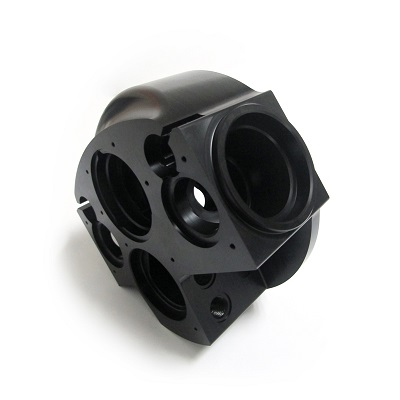
POM
Low friction, high stiffness, and dimensional stability for gears, guides, bushings, and precision mechanisms.
View Material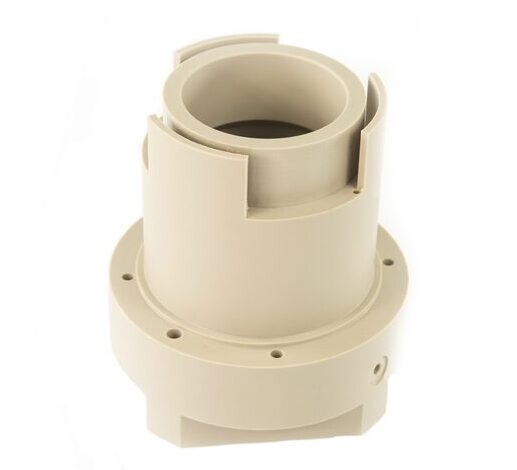
PEEK
High-temperature chemical resistance and mechanical performance for medical and demanding industrial uses.
View Material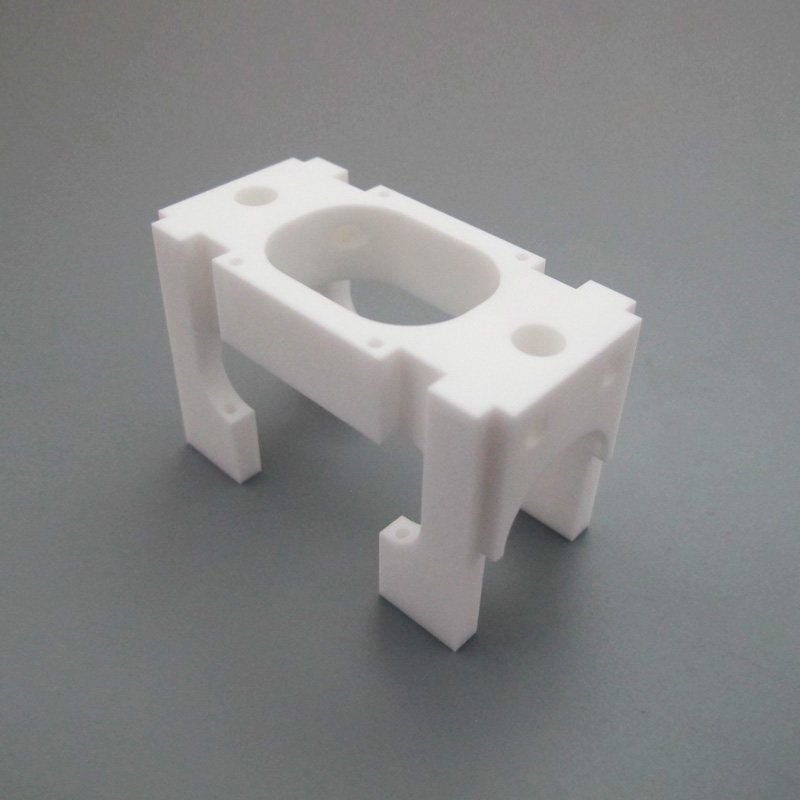
Ceramic
Hard, heat-resistant, and electrically insulating for specialized precision and high-temperature applications.
View Material5-Axis Machining Across Demanding Applications
YXT supports engineering teams that need complex geometry, controlled feature relationships, and dependable communication across international projects.

Automotive
Manufacturing

Marine
Medical

Sports
Electronics
Construction

Green Energy
Oil & Gas
Defense

Robotics

Other Applications
Why Choose YXT for 5-Axis CNC Machining
From DFM review to inspection and delivery, every project is organized around the drawing, the real application, and clear production communication.
Extensive Expertise
Process planning for complex surfaces, multi-face components, deep features, and difficult tool access.
Precision & Flexibility
Feature-specific tolerance and inspection planning matched to geometry, material, and project risk.
One-Stop Coordination
Machining, deburring, surface finishing, inspection, and export packing coordinated through one team.
Quality Assurance
Material checks, in-process verification, and final inspection aligned to your drawing requirements.
Cost-Focused DFM
Practical feedback on tolerances, tool access, setup strategy, and finish choices before production begins.
Material Support
Machining guidance across aluminum, steel, titanium, copper alloys, engineering plastics, and ceramics.
Send the model, drawing, material, quantity, finish, and critical dimensions for the fastest review.
Frequently Asked Questions
Useful details for preparing a complete 5-axis CNC machining request.
Do you have a minimum order quantity?
There is no fixed minimum order quantity. YXT can review one-off prototypes, low-volume builds, and repeat production orders.
Which design files are best for quotation?
STEP, STP, IGES, or X_T files are preferred for 3D geometry. Include a dimensioned PDF or DWG for tolerances, threads, finishes, and inspection notes.
What general tolerances can YXT support?
General dimensions are commonly reviewed against ISO 2768-m unless your drawing specifies otherwise. Feature-specific tolerances are confirmed during DFM review.
Can YXT achieve +/-0.005 mm?
Suitable precision features may be planned around tolerances down to +/-0.005 mm. Final capability depends on material, geometry, feature size, tool access, and inspection method.
How quickly can I receive 5-axis machined parts?
Many prototype and low-volume projects are planned around 7 to 15 business days after the drawing, material, finish, and inspection plan are approved. Complex programs are scheduled individually.
How are complex parts inspected?
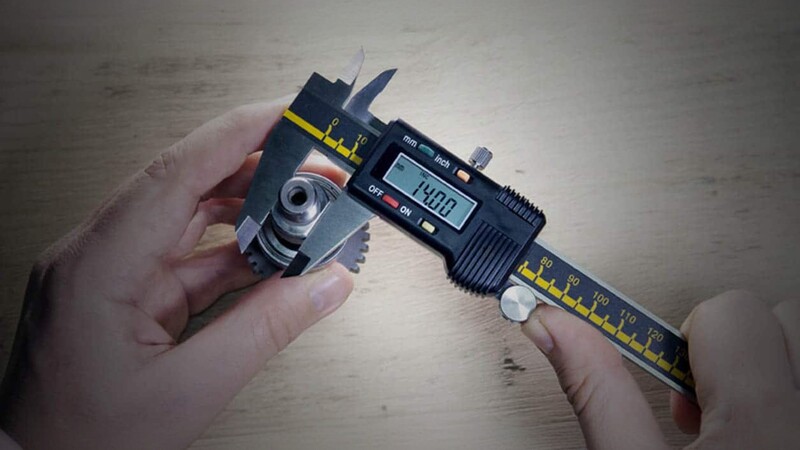
Inspection can include calipers, micrometers, height gauges, optical measurement, and CMM verification. Dimensional reports can be prepared when specified on the order.
Move Your Complex Part Into Production
Send your CAD file, drawing, material, quantity, finish, and critical dimensions. Our team will review the machining strategy and reply with practical next steps.
DFM and tolerance review before production
Prototype, low-volume, and repeat production support
Replies typically within one business day
Prefer email? [email protected]
Get an Instant Quote
For large files, email a ZIP or RAR archive directly to [email protected].