
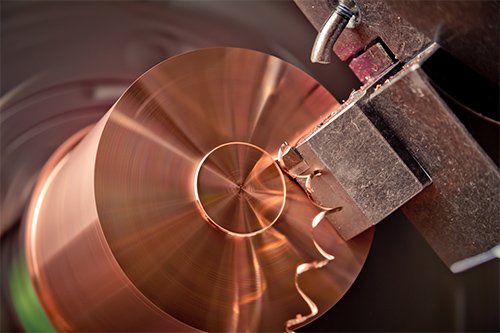
Copper CNC Machining Services
Precision copper machining for conductive, thermal-management, electrical, and fluid-handling applications.
Drawing-based review for material, geometry, finish, quantity, and inspection.
Expert CNC Copper Machining Service
Precision machining for electrical, thermal, power, and fluid components.
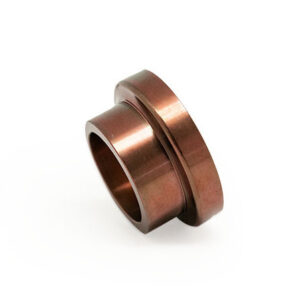
CNC Milling
Sharp-tool milling for busbars, cold plates, electrodes, and copper housings.
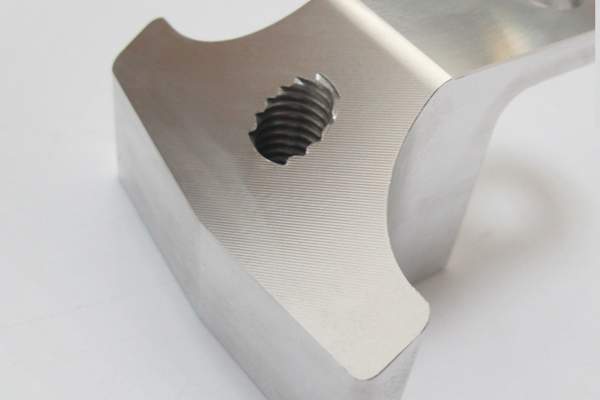
CNC Turning
Controlled turning for contacts, sleeves, nozzles, and concentric copper parts.
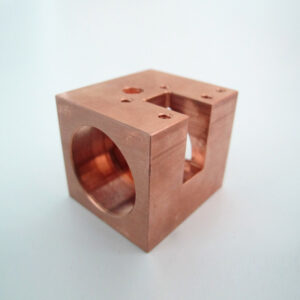
Finishing Services
Polishing, tin, nickel, silver, and protective surface coordination.
About Copper
Exceptional electrical and thermal conductivity with machining behavior that rewards careful heat and burr control.
Copper is selected when conductivity is central to the design. Pure grades maximize electrical and thermal performance, while free-machining copper alloys can improve production efficiency.
Because copper is soft and ductile, machining strategy should manage built-up edge, burr formation, thin features, and heat input.
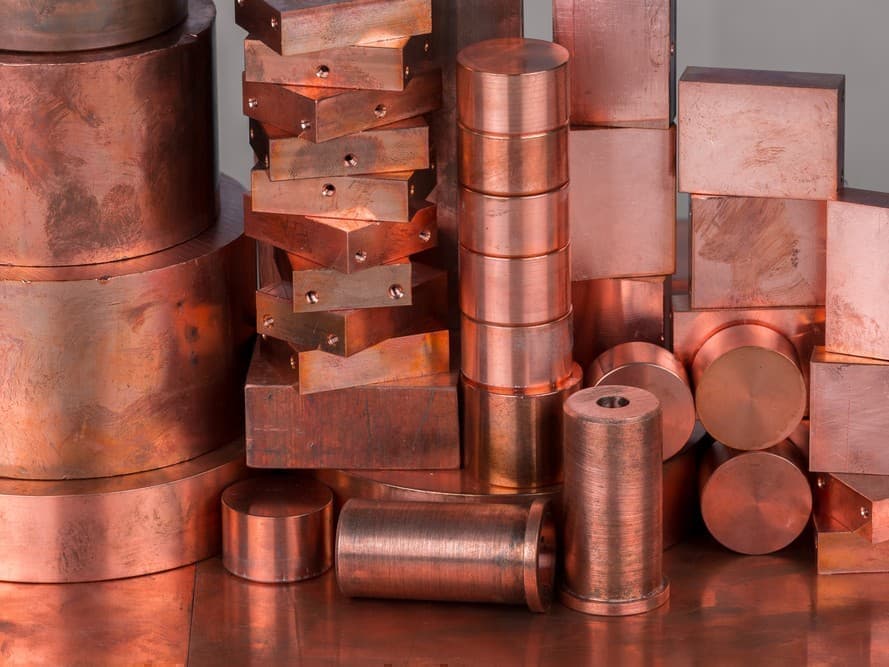
The Most Common Grades of Copper for CNC Machining
Balance conductivity, purity, machinability, and finishing requirements.
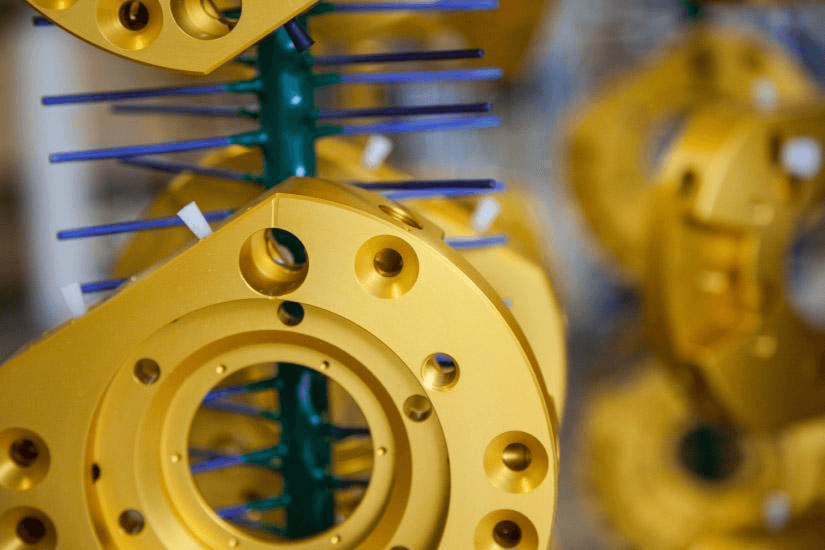
Material choices for drawing review
The selected grade should be reviewed with stock form, condition, certification, machining sequence, finishing, and service environment.
Comparison of Common Copper Alloys
Early selection guidance for pure and free-machining copper grades.
Final selection should be confirmed against the drawing, service environment, stock condition, finish, and documentation requirements.
The Challenges in Copper CNC Machining
Ductility, built-up edge, heat, burrs, and flexible features require disciplined process planning.
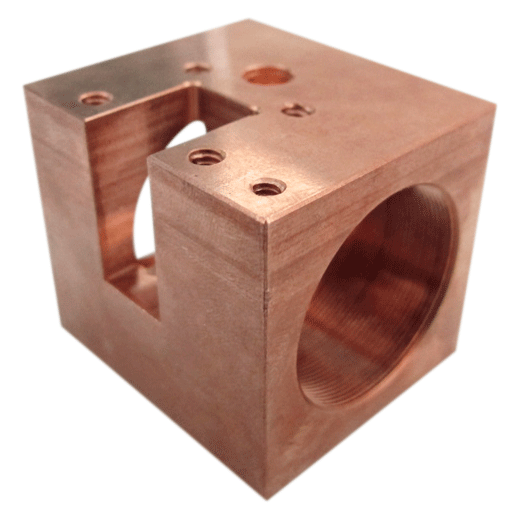
Use sharp tools and controlled cutting parameters to limit smearing.
Support thin sections to prevent bending during clamping.
Specify burr limits on electrical and sealing edges.
Protect contact surfaces during plating, handling, and shipping.
Protect electrical and sealing surfaces from the start
Define burr limits, contact surfaces, plating, packaging, and inspection before production.
CNC Machined Copper Applications
Conductive and thermal components for power, electronics, cooling, and industrial systems.
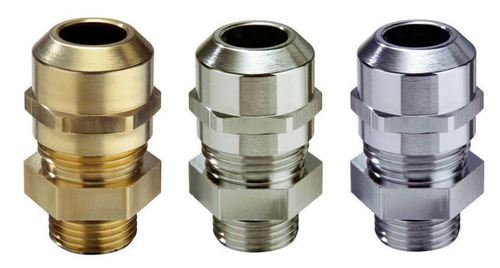
Power electronics
Busbars, terminals, contacts, and current-carrying components.
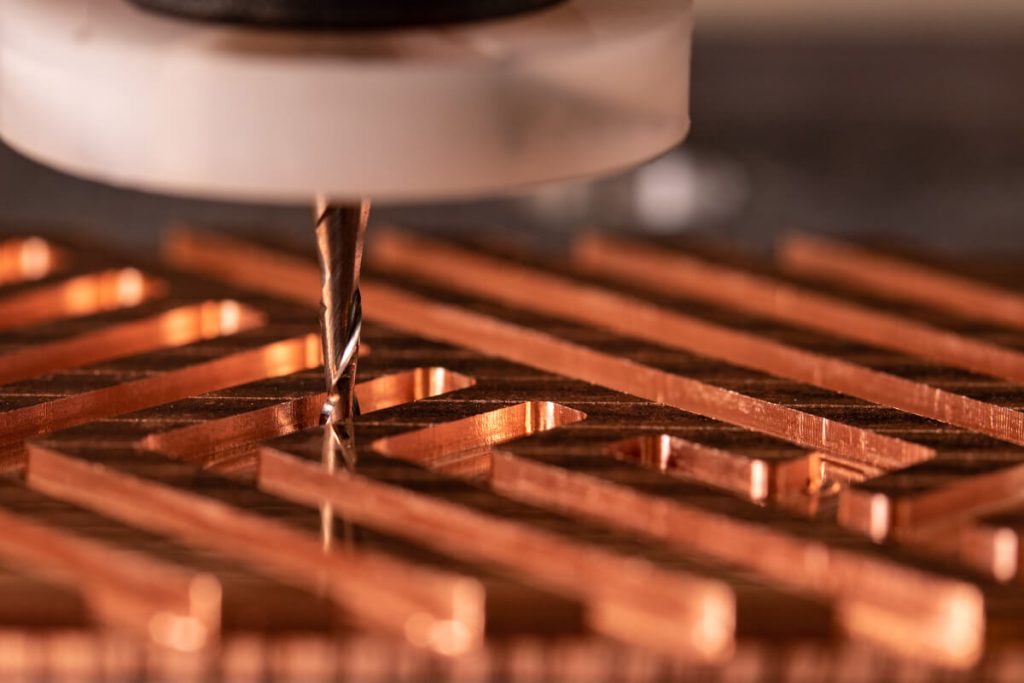
Thermal systems
Cold plates, heat spreaders, and cooling components.
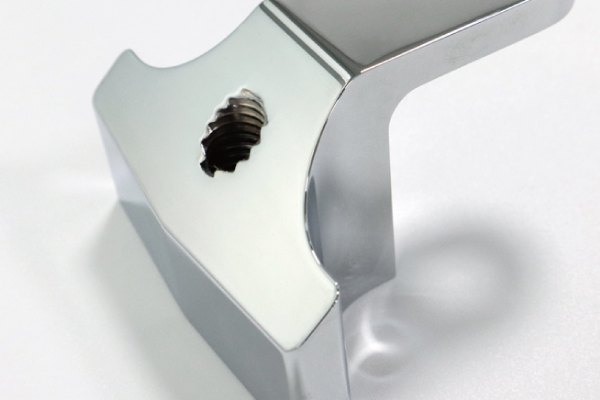
Industrial equipment
Electrodes, seals, and specialized conductive parts.
Electronics and Thermal
Precision components planned around the actual load, environment, assembly, and documentation needs.
Surface Finishes for CNC Machined Copper Parts
Finishes for solderability, contact performance, protection, and appearance.
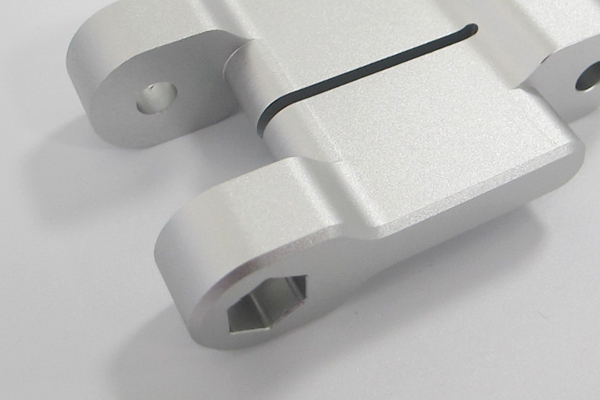
As machined
A controlled machined surface with deburring and cosmetic requirements defined on the drawing.
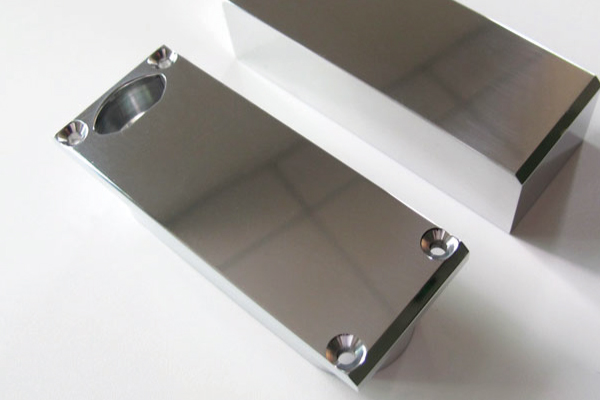
Mechanical polishing
Refines texture and roughness for cosmetic, sealing, contact, or cleanability needs.
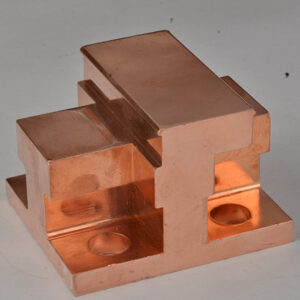
Tin plating
A deposited layer for protection, conductivity, solderability, wear, or appearance.
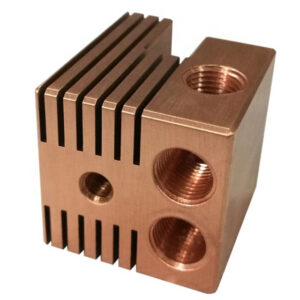
Nickel plating
A deposited layer for protection, conductivity, solderability, wear, or appearance.
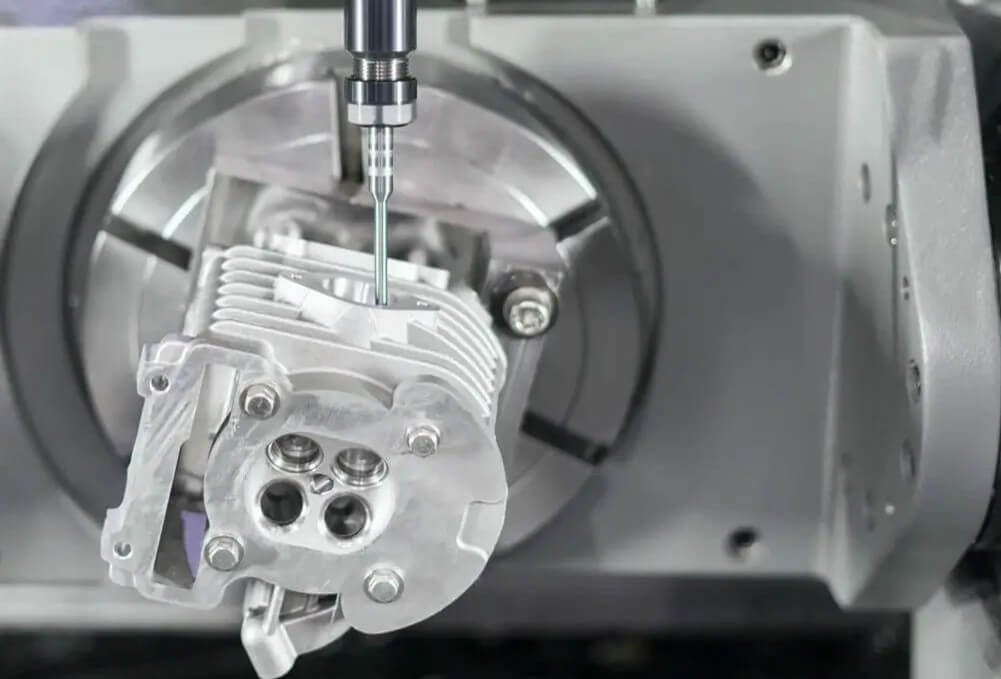
Silver plating
A deposited layer for protection, conductivity, solderability, wear, or appearance.
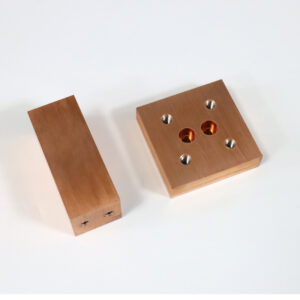
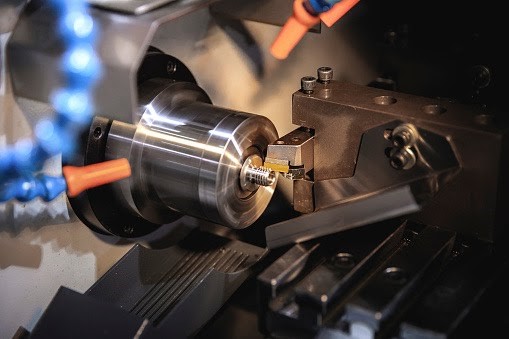
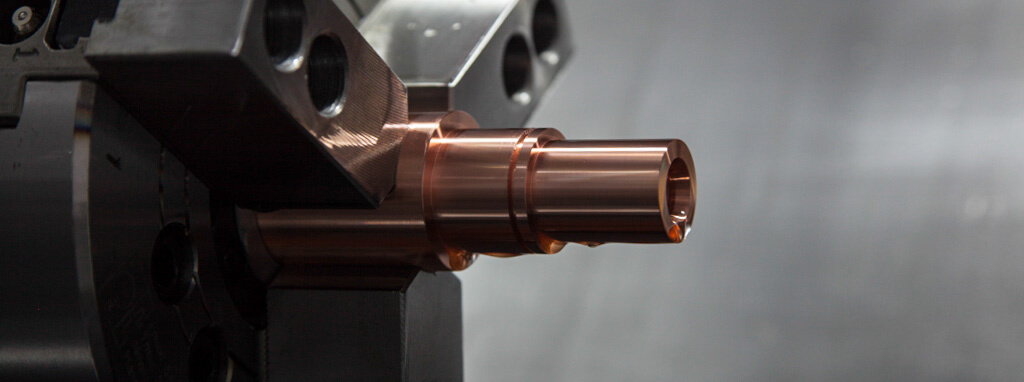
Gallery of CNC Machined Copper Parts
Editable examples of copper milling, turning, and finishing.
Why Choose YXT for Custom Copper Machining?
A process built around conductivity, edge quality, surface protection, and inspection.
Cost-Aware Planning
Geometry, tolerance, stock, and setup choices are reviewed around function and total process cost.
Quality Alignment
Critical datums, inspection method, and acceptance criteria are agreed before machining.
On-Demand Production
The manufacturing plan can scale from prototypes through repeat production quantities.
Tolerance Review
Requirements are checked against feature size, material behavior, access, and finishing.
Material Selection
Grade and condition are matched to service load, exposure, finish, and documentation.
Clear Communication
Drawing questions, production status, and change points are surfaced early.
CNC Machining Copper FAQs
Questions about grades, conductivity, burrs, and plating.
Which copper grade has the highest conductivity?
Oxygen-free C101 is selected for very high conductivity and purity requirements.
Why is copper harder to machine than brass?
Pure copper is softer and more ductile, which can increase burrs, heat, and built-up edge.
Can copper parts be plated?
Yes. Tin, nickel, and silver plating are commonly considered for protection, solderability, or contact performance.
What information should I send for a quote?
Send a 3D CAD file, dimensioned drawing, material or grade, quantity, finish, critical features, and target schedule.
Get Your Copper Parts into Production
Send the CAD file, drawing, grade, quantity, finish, and critical requirements for a practical manufacturing review.