
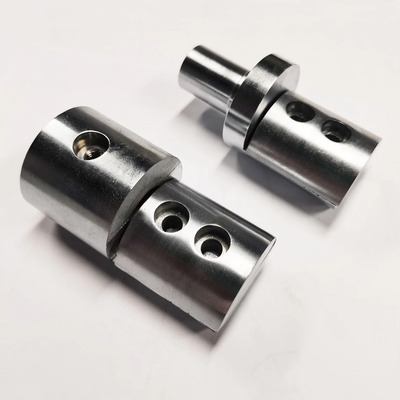
Titanium CNC Machining Services
Controlled titanium machining for lightweight, corrosion-resistant, and high-performance precision components.
Drawing-based review for material, geometry, finish, quantity, and inspection.
YXT Capacity and Service for Titanium CNC Machining
Controlled milling and turning for strength-to-weight, corrosion, and biocompatibility-driven parts.
Multi-Axis Milling
Pockets, profiles, bores, interfaces, and multi-side geometry with fewer setups.
Precision Turning
Shafts, sleeves, fittings, threads, grooves, and concentric features.
Secondary Operations
Deburring, grinding, heat treatment, coating, marking, and finishing coordination.
Quality Planning
Drawing review, critical datums, first-article checks, and final inspection planning.
About Titanium
High strength at low mass with excellent corrosion resistance for demanding applications.
Titanium maintains useful strength at low weight and performs well in corrosive environments. Grade 5 is a common high-strength alloy, while commercially pure grades support formability and corrosion resistance.
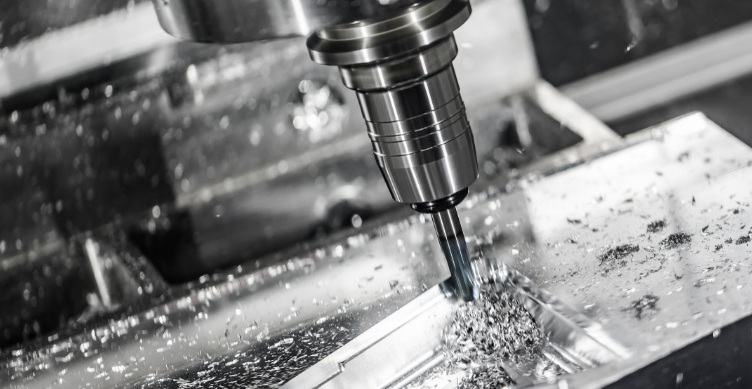
Low thermal conductivity keeps heat near the cutting edge, so stable tooling, controlled engagement, coolant delivery, and short tool overhang are important.
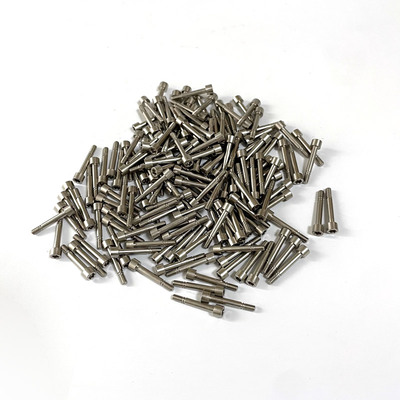
The Most Common Grades of Titanium for CNC Machining
Choose around strength, corrosion, formability, biocompatibility, and certification.
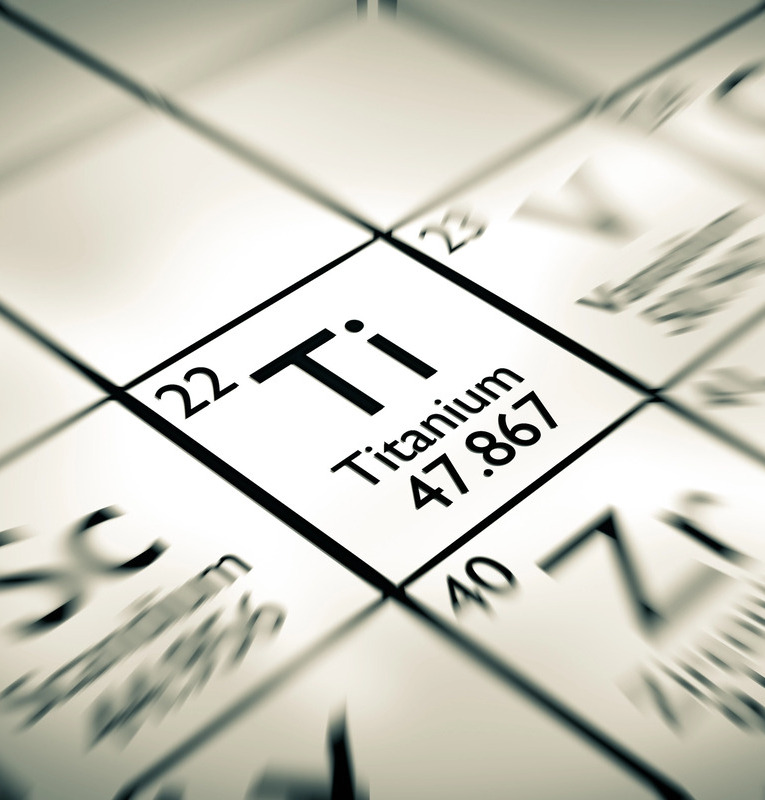
Material choices for drawing review
The selected grade should be reviewed with stock form, condition, certification, machining sequence, finishing, and service environment.
Comparison of Common Titanium Alloys
A practical selection overview for commercial-pure and alloyed titanium.
Final selection should be confirmed against the drawing, service environment, stock condition, finish, and documentation requirements.
Control heat, engagement, and inspection together
Share material condition, critical features, finish, and documentation requirements before release.
CNC Machined Titanium Applications
Lightweight, corrosion-resistant components for aerospace, medical, marine, and industrial systems.
Aerospace
Structural fittings, mounts, and weight-sensitive components.
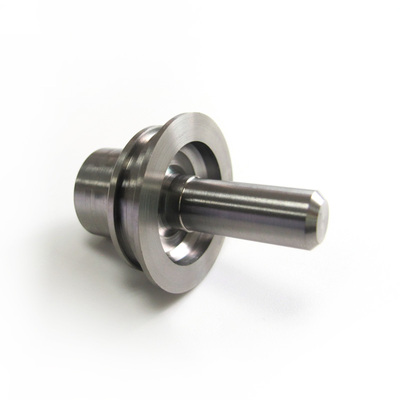
Medical devices
Instrument parts and biocompatible component applications.
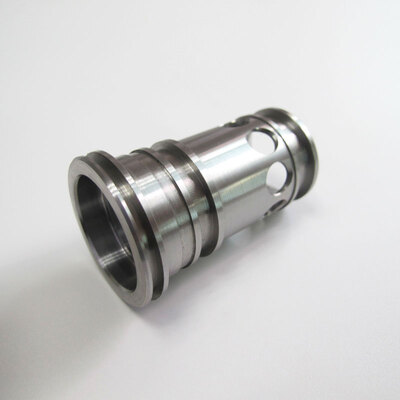
Marine systems
Corrosion-resistant hardware and fluid-system parts.
Surface Finishes for CNC Machined Titanium Parts
Identification, cleaning, appearance, wear, and corrosion-related surface options.
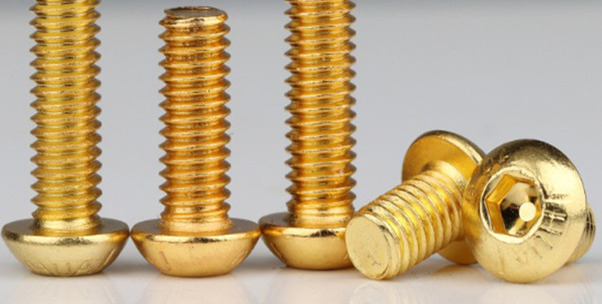
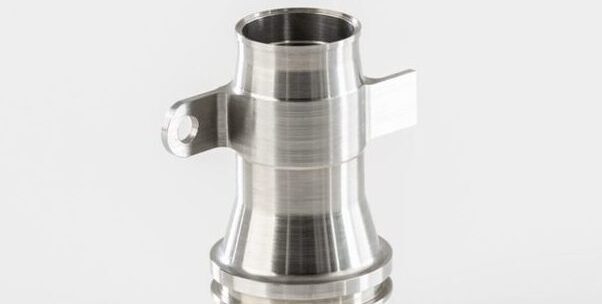
As machined
A controlled machined surface with deburring and cosmetic requirements defined on the drawing.
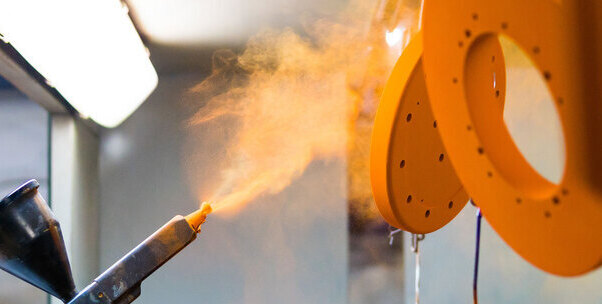
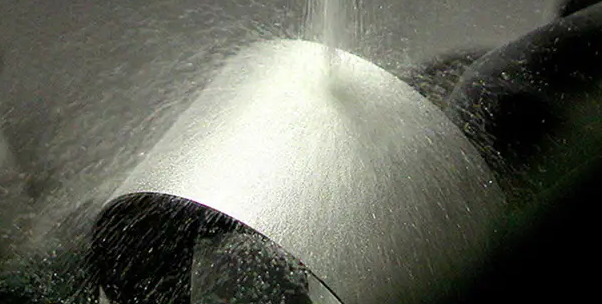
Bead blasting
A protective or cosmetic surface with masking, build, and visual standard defined.
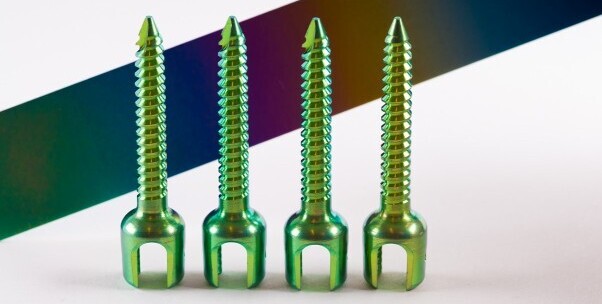
Anodizing
A controlled conversion layer for corrosion performance, wear, identification, or appearance.
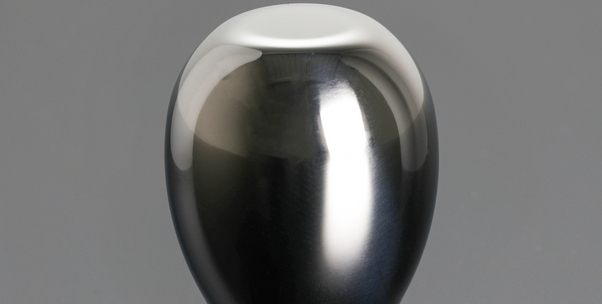
Electropolishing
Refines texture and roughness for cosmetic, sealing, contact, or cleanability needs.
PVD coating
A protective or cosmetic surface with masking, build, and visual standard defined.
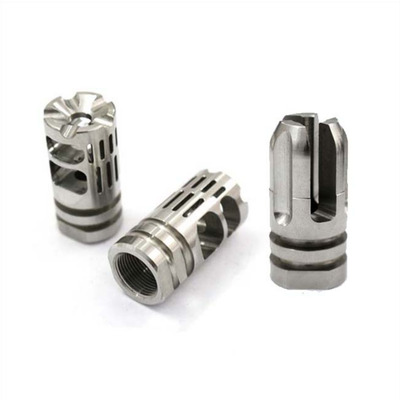
Passivation / cleaning
Surface cleaning and treatment planned to support corrosion performance and cleanliness.
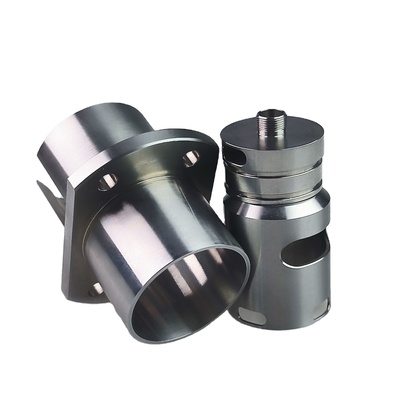
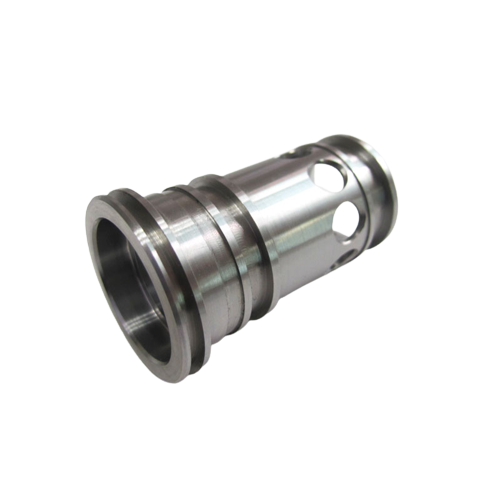
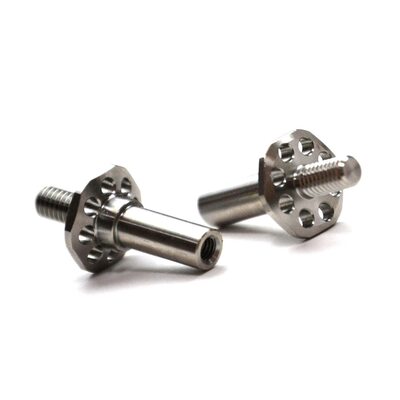
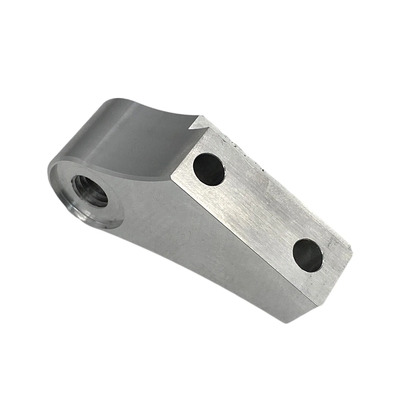
Gallery of CNC Machined Titanium Parts
Editable titanium machining and surface examples.
Why Choose YXT for Custom Titanium Machining?
Rigid workholding, heat-aware strategy, tool-life control, and practical inspection planning.
Cost-Aware Planning
Geometry, tolerance, stock, and setup choices are reviewed around function and total process cost.
Quality Alignment
Critical datums, inspection method, and acceptance criteria are agreed before machining.
On-Demand Production
The manufacturing plan can scale from prototypes through repeat production quantities.
Tolerance Review
Requirements are checked against feature size, material behavior, access, and finishing.
Material Selection
Grade and condition are matched to service load, exposure, finish, and documentation.
Clear Communication
Drawing questions, production status, and change points are surfaced early.
CNC Machining Titanium FAQs
Questions about grades, tool wear, finishing, and tolerance.
Why is Grade 5 titanium common?
Ti-6Al-4V offers a strong balance of strength, weight, corrosion resistance, and availability.
Why does titanium wear tools quickly?
Its low thermal conductivity and chemical reactivity concentrate heat and stress at the cutting edge.
Can titanium be anodized?
Yes. Titanium anodizing can provide identification colors and controlled oxide surfaces without paint.
What information should I send for a quote?
Send a 3D CAD file, dimensioned drawing, material or grade, quantity, finish, critical features, and target schedule.
Get Your Titanium Parts into Production
Send the CAD file, drawing, grade, quantity, finish, and critical requirements for a practical manufacturing review.