
Custom CNC Machining Services from China
Deliver your CNC machined parts to drawing requirements, on schedule, and with practical factory-direct pricing.
Drawing-Based Review
Prototype and Batch Orders
Machining and Finishing
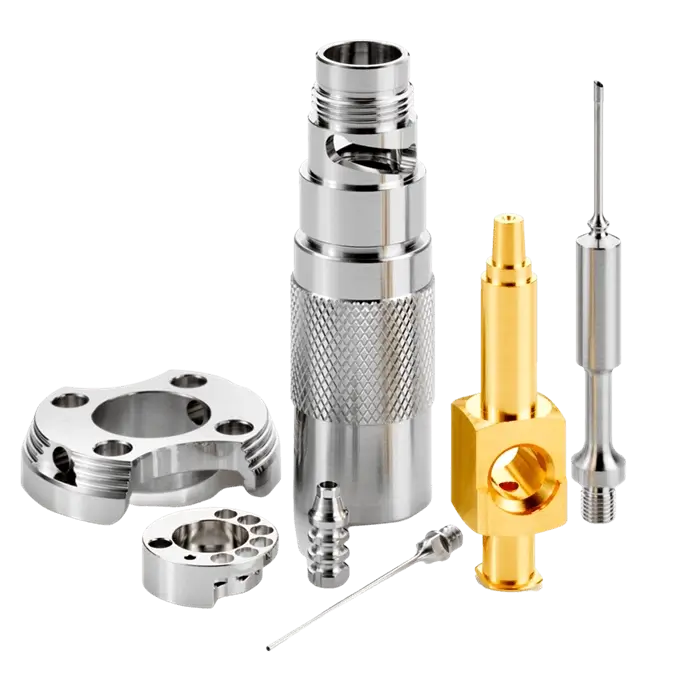

CAD
Model and Drawing
Material
Grade and Condition
Quantity
Prototype or Batch
Quality
Critical Features
Precision CNC Machining Services Supplier in China
Custom CNC machining starts with your part requirements.
YXT CNC is a CNC machining supplier based in Dongguan, China. Share your CAD model and dimensioned drawing for a review of milling, turning, material, finish and inspection requirements.
For prototypes and repeat orders, the quote should define the machining route, critical tolerances, quantity and delivery schedule. See our small-batch CNC machining service for pilot-run and low-volume projects.
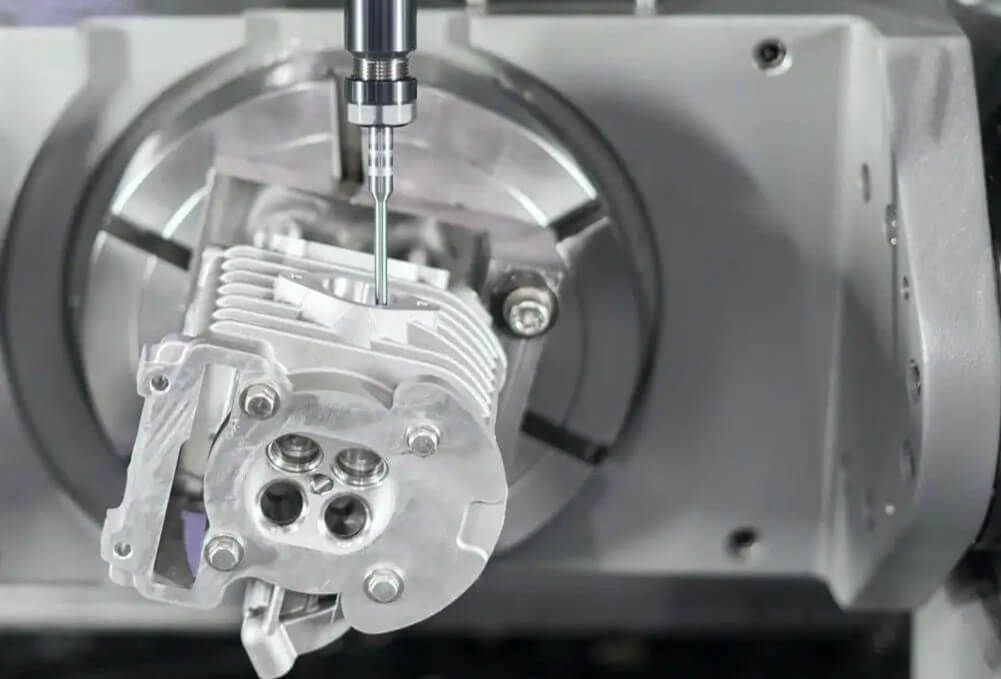
CNC Milling
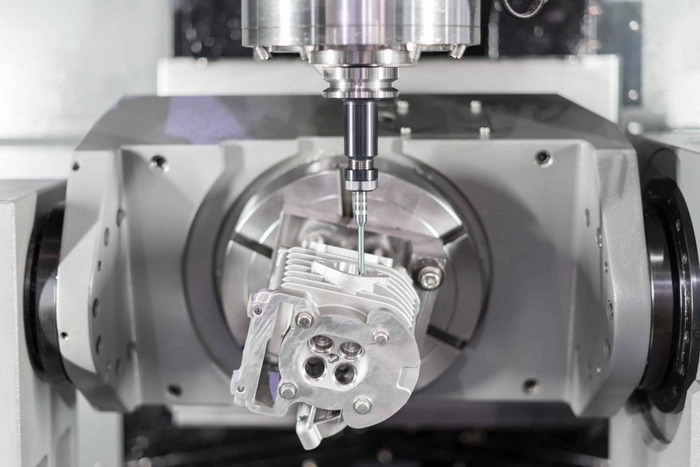
Review 3-axis, indexed and simultaneous 5-axis approaches for pockets, bores and multi-face geometry.
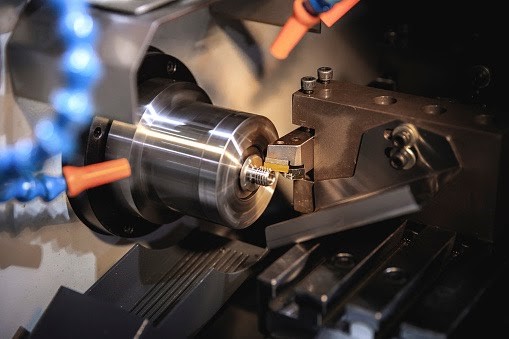
CNC Turning
Turning for shafts, bushings, threaded parts and other cylindrical features, with secondary milling reviewed where required.
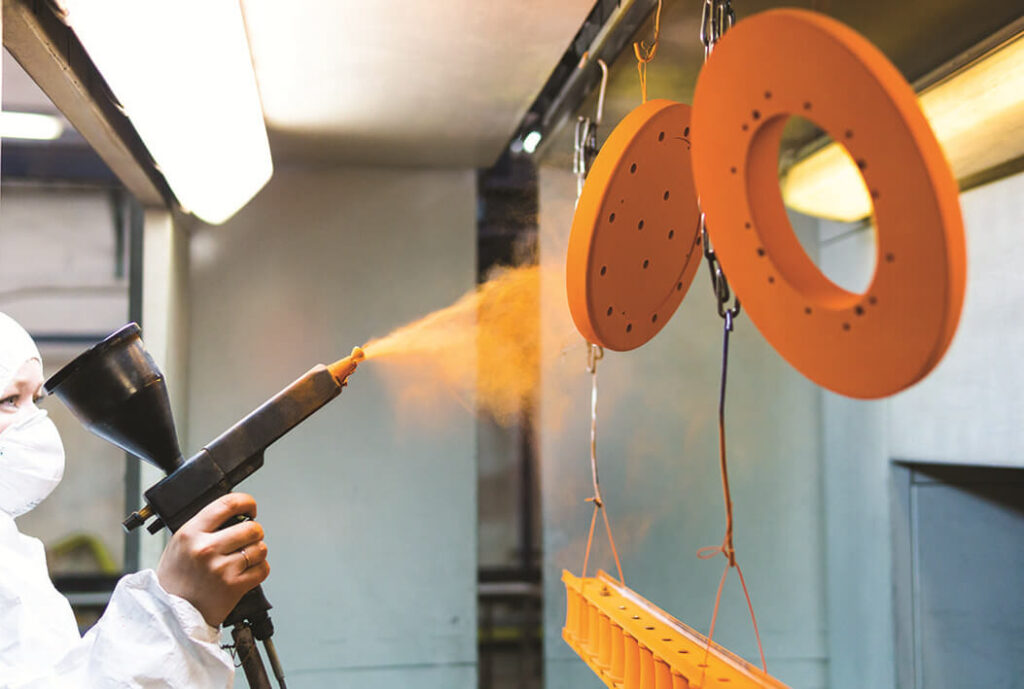
Finishing Services
Review anodizing, bead blasting, powder coating, plating and polishing for your machined parts.
Materials for CNC Machining Parts
CNC Metals
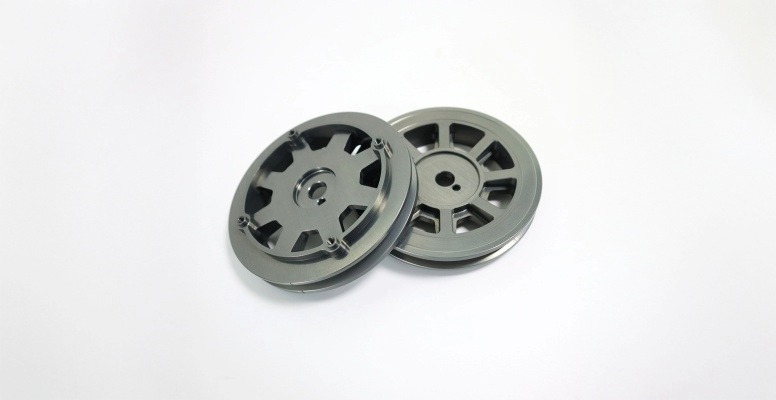
Aluminum
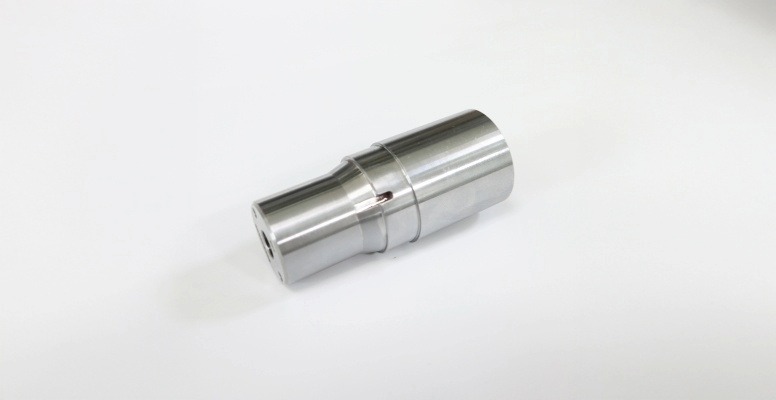
Stainless steel
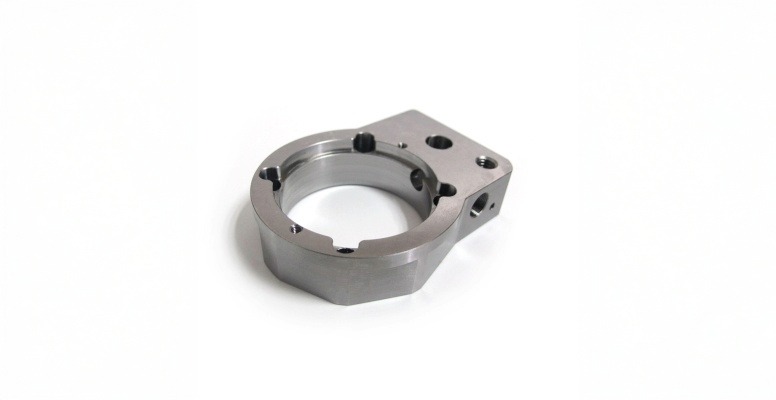
Alloy Steel
Tool Steel
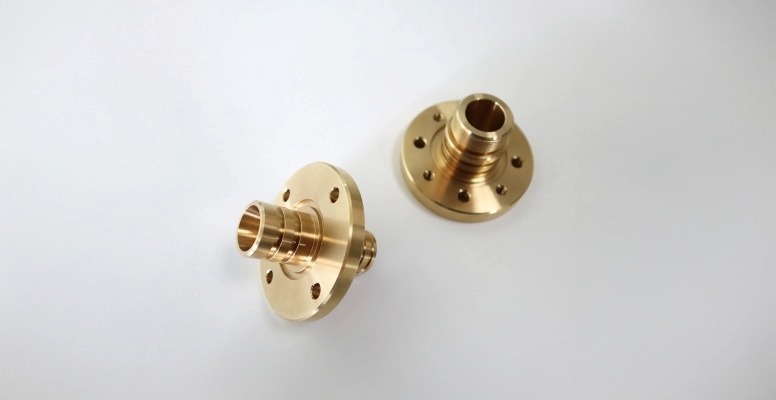
Brass
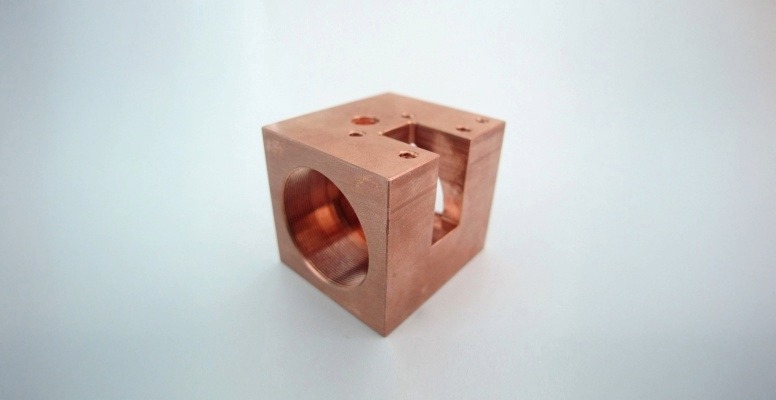
Copper
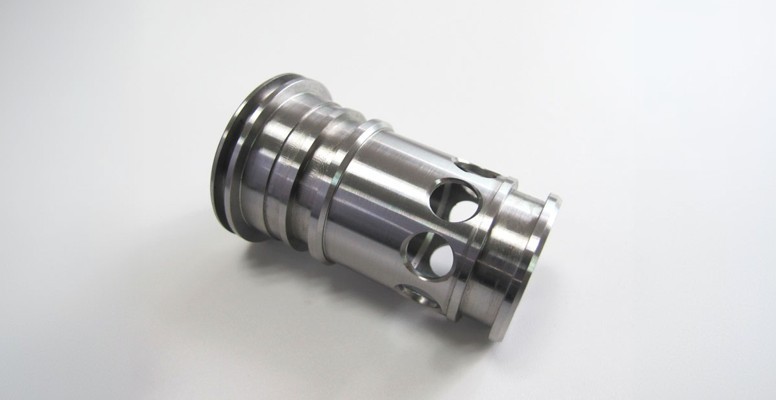
Titanium
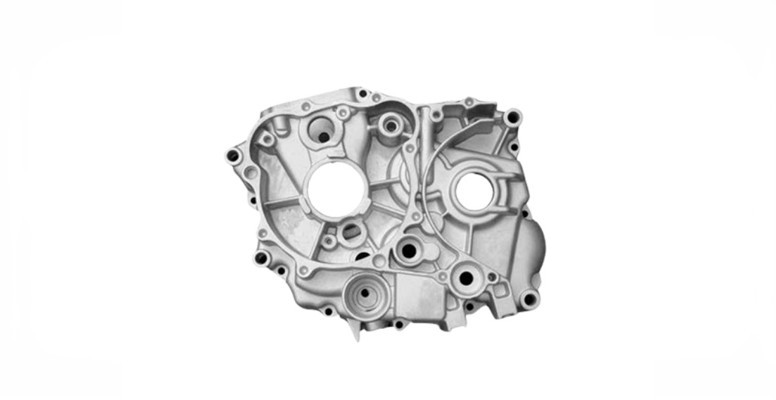
Magnesium
CNC Plastics
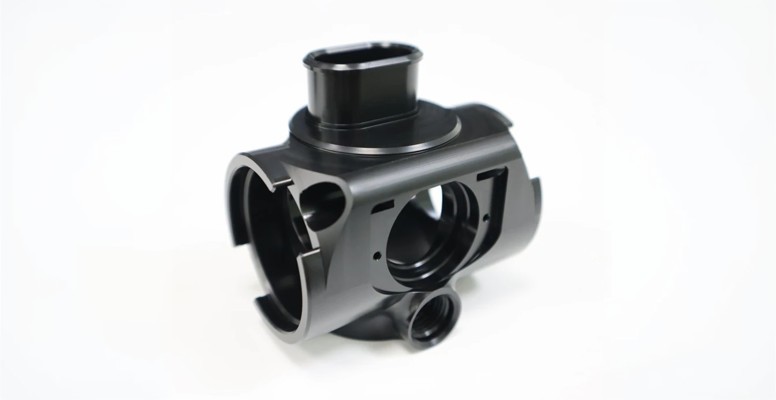
POM
(Delrin/
Acetal)
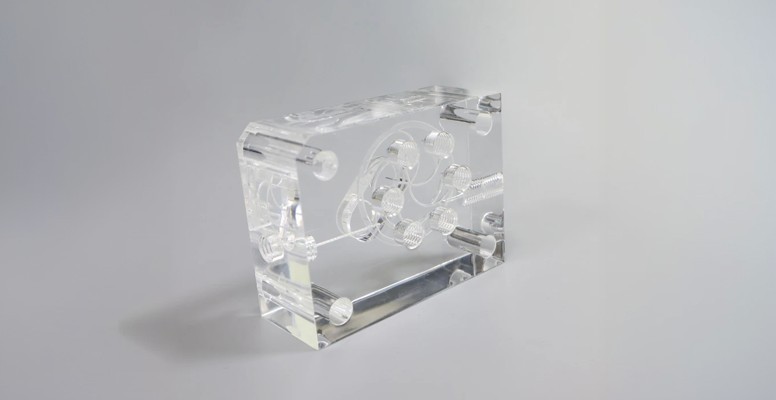
PMMA
(Acrylic)
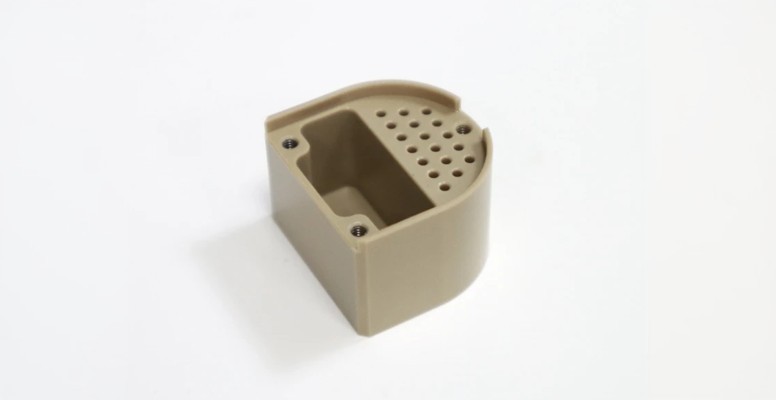
PEEK
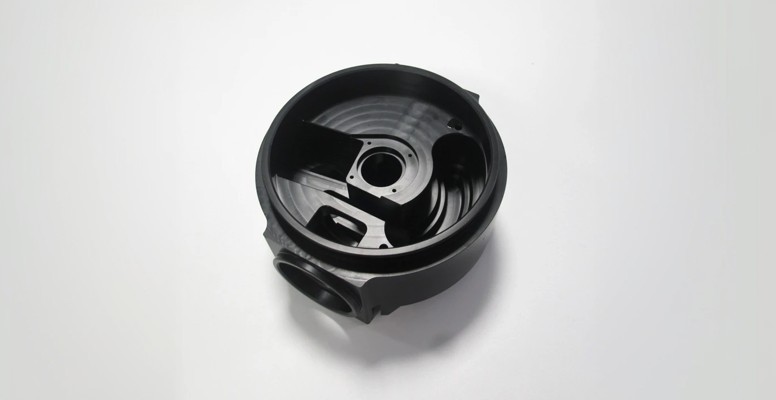
Nylon(PA)
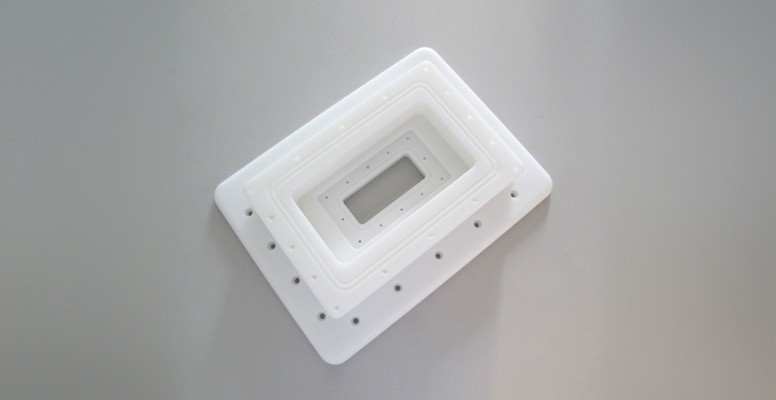
PTFE (Teflon)
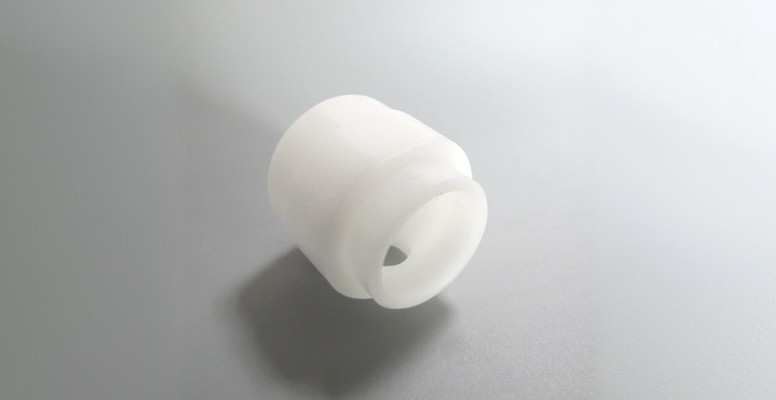
PVC
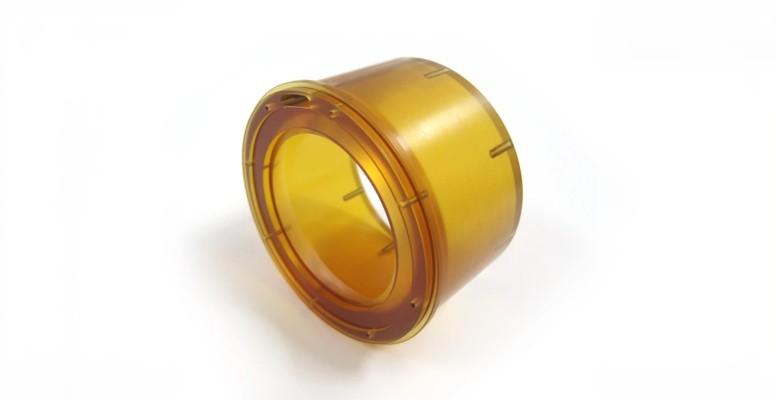
PEI(Ultem)
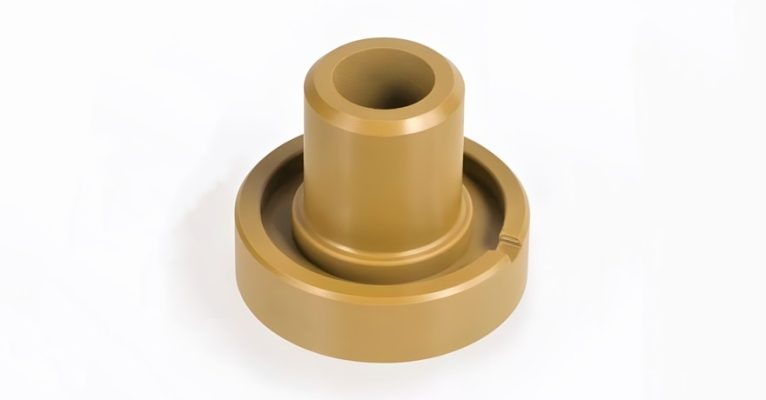
PAI(Torlon)
Gallery of Our CNC machining parts
Best Practices for CNC Machining Engineers and Designers
- Define datums and GD&T tied to function; choose realistic tolerances per process capability. Specify inspection method, measurement points, and avoid unnecessarily tight features driving cost and scrap.
- Design for workholding and tool access: continuous clamping surfaces, generous corner radii, chip escape, and fixture clearance. Reduce deep pockets, thin walls, and unreachable features that cause chatter.
- Plan manufacturable features: standardized hole sizes, thread classes, fillet radii, and chamfers. Include deburr allowances, probe targets, and sacrificial tabs; avoid tolerance stack-ups across multiple setups.
Control wall thickness and aspect ratios: keep L/D for end mills reasonable, use ribbing, uniform sections, and relief pockets to limit deflection, heat buildup, and dimensional drift.
Standardize materials and stock: pick readily available alloys, plate/bar sizes, and tempers. Allow cleanup stock, avoid odd thicknesses, and document grain direction for consistent machining behavior.
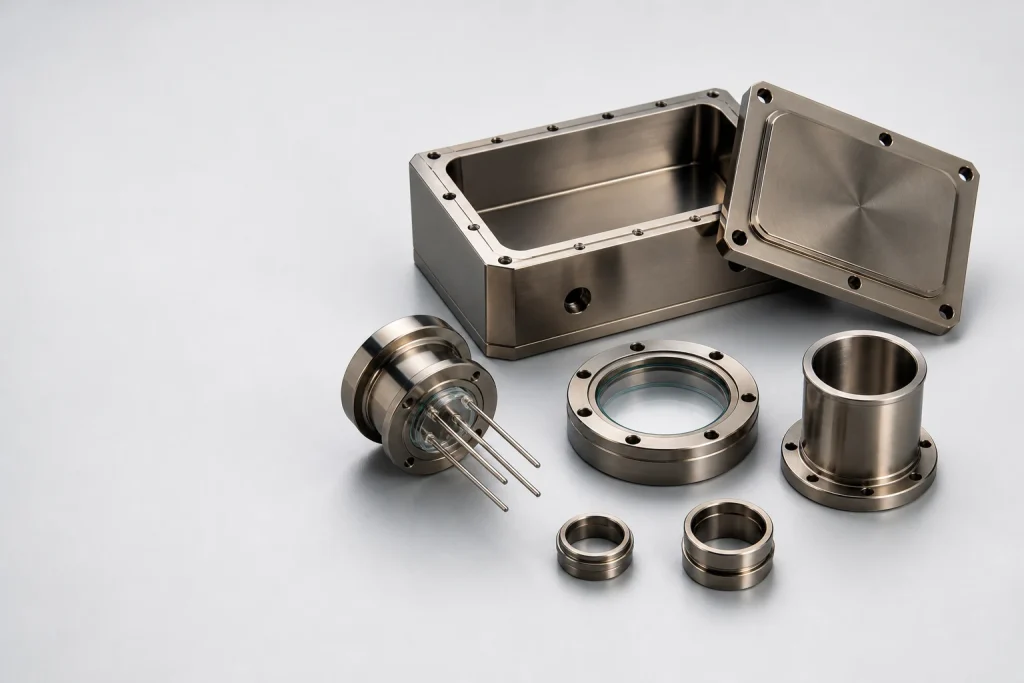
Surface Finishes for CNC Machined Parts
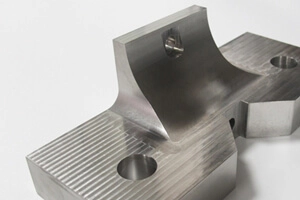
As machined (Ra 3.2μm / Ra 126μin)
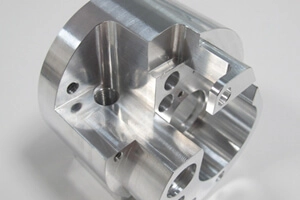
Smooth machining (Ra 1.6μm / Ra 63μin)
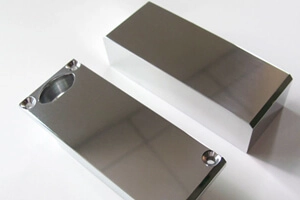
Polishing
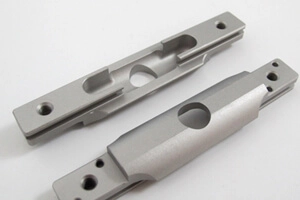
Bead Blasting
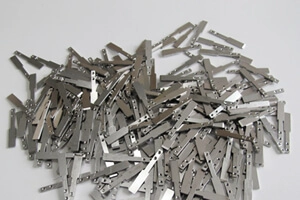
Tumbled
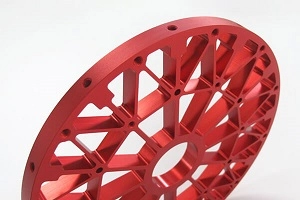
Bead blasted + Anodizing type II
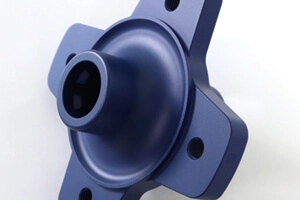
Bead blasted + Anodized type III (Hardcoat)
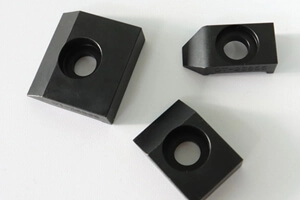
Black Oxide
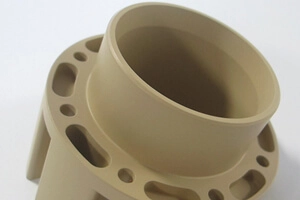
Powder Coated
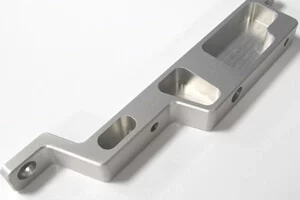
Chromate Conversion Coating
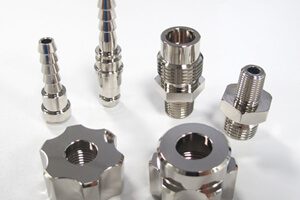
Plating
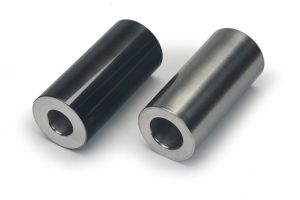
DLC (Diamond-Like Carbon) Coating
Compare surface finishing processes and drawing requirements.
What is CNC Machining?
Advantages and Challenges of CNC Machining
Understand where CNC machining creates value and which details should be reviewed before production begins.
Precision and Repeatability
Programmed toolpaths support consistent dimensions and repeatable results across prototypes and production runs.
Faster Throughput
Automated cycles and multi-axis strategies can reduce handling, setup changes, and overall production time.
Broad Material Choice
CNC machining supports common metals, engineering plastics, and many performance materials used across industries.
Scalable Production
The same approved manufacturing plan can support one-off prototypes, bridge quantities, and repeat orders.
Lower Manual Intervention
Stable programs, fixtures, and inspection checkpoints reduce variation caused by repeated manual operations.
Programming and Setup
Complex geometry may require additional CAM programming, custom workholding, and first-article verification.
Machine Envelope Limits
Part size, tool reach, axis travel, and fixturing access must fit the selected machining platform.
Material and Tooling Behavior
Hard, abrasive, or heat-sensitive materials can increase tool wear, cycle time, and process-control needs.
Tolerance Clarity
Unnecessary tight tolerances or incomplete drawings can increase cost and create avoidable inspection questions.
Why Choose YXT for Custom CNC Machining?
A practical manufacturing workflow built around drawing review, process control, and clear project communication.
Cost-Efficient Planning
Geometry, tolerances, stock, and setup choices are reviewed to reduce unnecessary machining time and total process cost.
Quality Assurance
Material checks, in-process inspection, and final dimensional verification are aligned to the drawing requirements.
Flexible Production
Manufacturing support can scale from one-off prototypes and low-volume runs to repeat production orders.
Tight Tolerance Review
Suitable precision features can be reviewed around tolerances down to +/-0.005 mm, subject to geometry and material.
Material Selection
Choose from more than 50 metals and engineering plastics, with finishing options matched to the part application.
Reliable Delivery
Typical projects are planned around a 7-15 business day lead time, with urgent schedules reviewed case by case.
CNC Machining FAQs
Useful details to prepare a complete CNC machining request and reduce avoidable back-and-forth.
Do you have a minimum order quantity?
There is no fixed minimum order quantity. YXT can review one-off prototypes, low-volume projects, and repeat production requirements.
Which file formats are best for quotation?
STEP, STP, IGES, or X_T files are preferred for 3D geometry. A dimensioned PDF or DWG drawing should be included for tolerances, threads, finishes, and inspection notes.
What general tolerances can YXT support?
General dimensions are commonly reviewed against ISO 2768-m unless the drawing specifies otherwise. Feature-specific tolerances are confirmed during DFM review.
Can YXT machine precision features to +/-0.005 mm?
Suitable features may be planned around tolerances down to +/-0.005 mm. Final capability depends on material, geometry, feature size, process access, and inspection method.
How long does CNC machining normally take?
Many prototype and low-volume orders are planned around 7-15 business days after drawing, material, and finish approval. Complex or production orders are scheduled individually.
How are finished parts inspected?
Inspection can include calipers, micrometers, height gauges, optical measurement, and CMM verification as required. Dimensional reports can be prepared when specified.
Get Your Parts Into Production Today
Send your CAD file, drawing, material, quantity, finish, and critical requirements for a practical manufacturing review.