
Small Batch CNC Machining Services
Move from a validated design to controlled low-volume production with drawing-led planning, flexible machining routes and inspection matched to critical features.
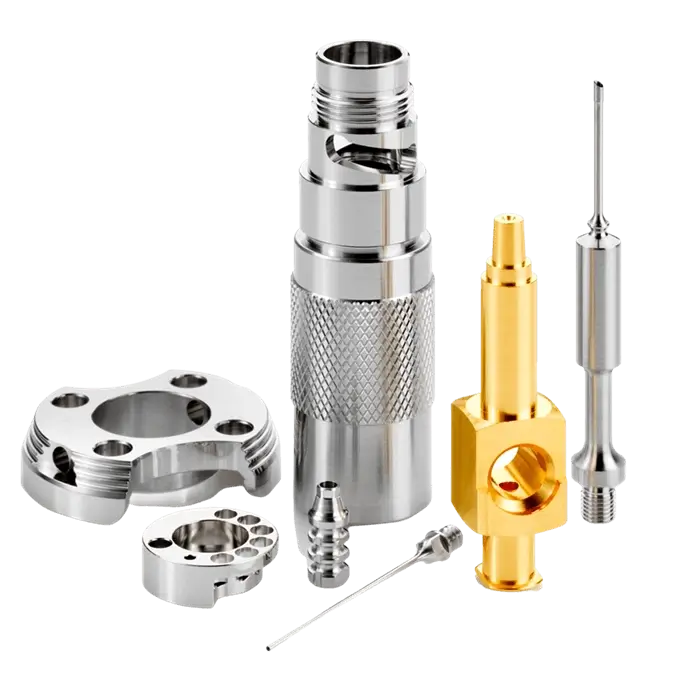
Prototype
Confirm geometry, fit and the first machining route.
Pilot Run
Validate setup, inspection and assembly behavior.
Bridge Production
Supply usable parts while final production scales.
Repeat Batch
Release approved revisions with controlled records.
Why Small Batch Production Needs More Control
When quantities are limited, every setup decision has more influence on cost, timing and repeatability. YXT plans the route around the approved drawing and the next production step.
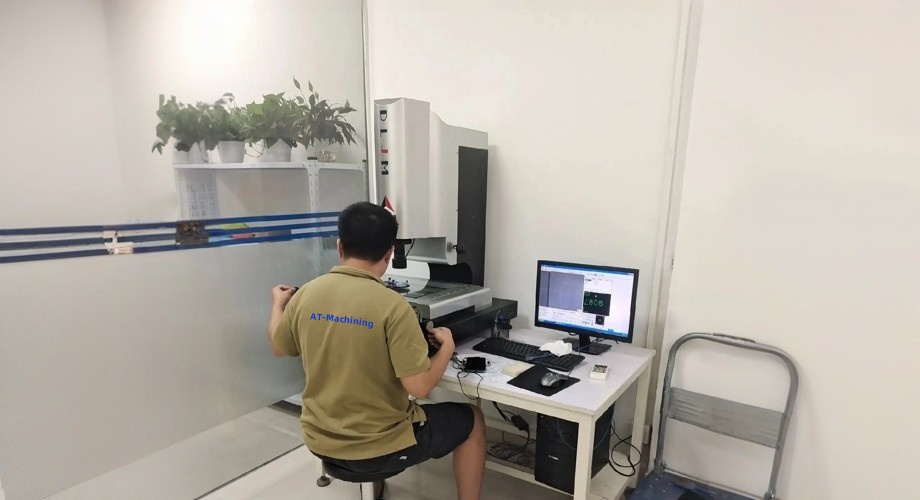
Setup Strategy for Limited Quantities
Fixtures, cutting sequence and tool access are planned to protect the approved geometry without relying on mass-production tooling.
Revision and Batch Identification
Drawing revisions, material information and batch status remain clear as a part moves from pilot build to repeat order.
Inspection Focused on Critical Features
Measurement effort is matched to function, tolerance and risk so the inspection plan supports the real application.
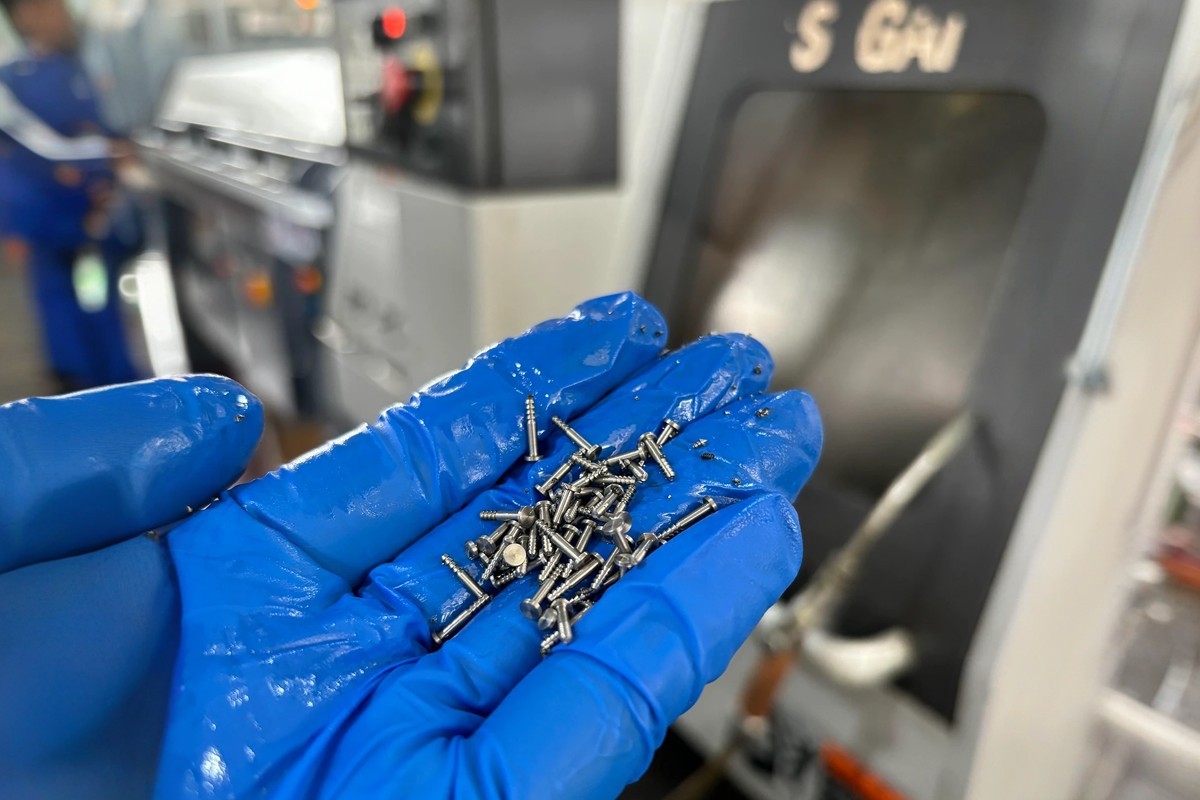 CONTROLLED RELEASE
What Small Batch CNC Machining Solves
Small batch machining connects one-off prototypes and high-volume production. It is useful when a design is approved but demand, tooling investment or release timing does not yet justify mass production.
Different Types of Small Batch CNC Machining
The manufacturing route can combine primary machining and finishing processes. Each option is selected around geometry, material, quantity and the inspection requirement.
CNC Turning
Efficient for shafts, bushings, fittings and other rotational components with controlled diameters and threads.
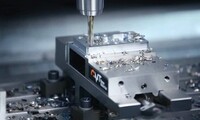
CNC Milling
Flexible machining for housings, plates, pockets, angled faces and parts with complex multi-sided features.
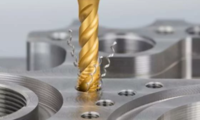
CNC Drilling
Controlled hole-making, countersinking, tapping and feature positioning within a planned machining sequence.
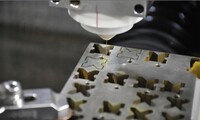
Wire and Sinker EDM
Useful for hard materials, narrow slots, sharp internal details and features that are difficult to reach with cutting tools.

Precision Grinding
Supports controlled surface finish, flatness and final size on selected critical faces and cylindrical features.
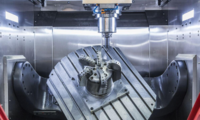
Multi-Axis Machining
Reduces handling for compound angles, deep features and complex geometry that benefits from coordinated tool access.
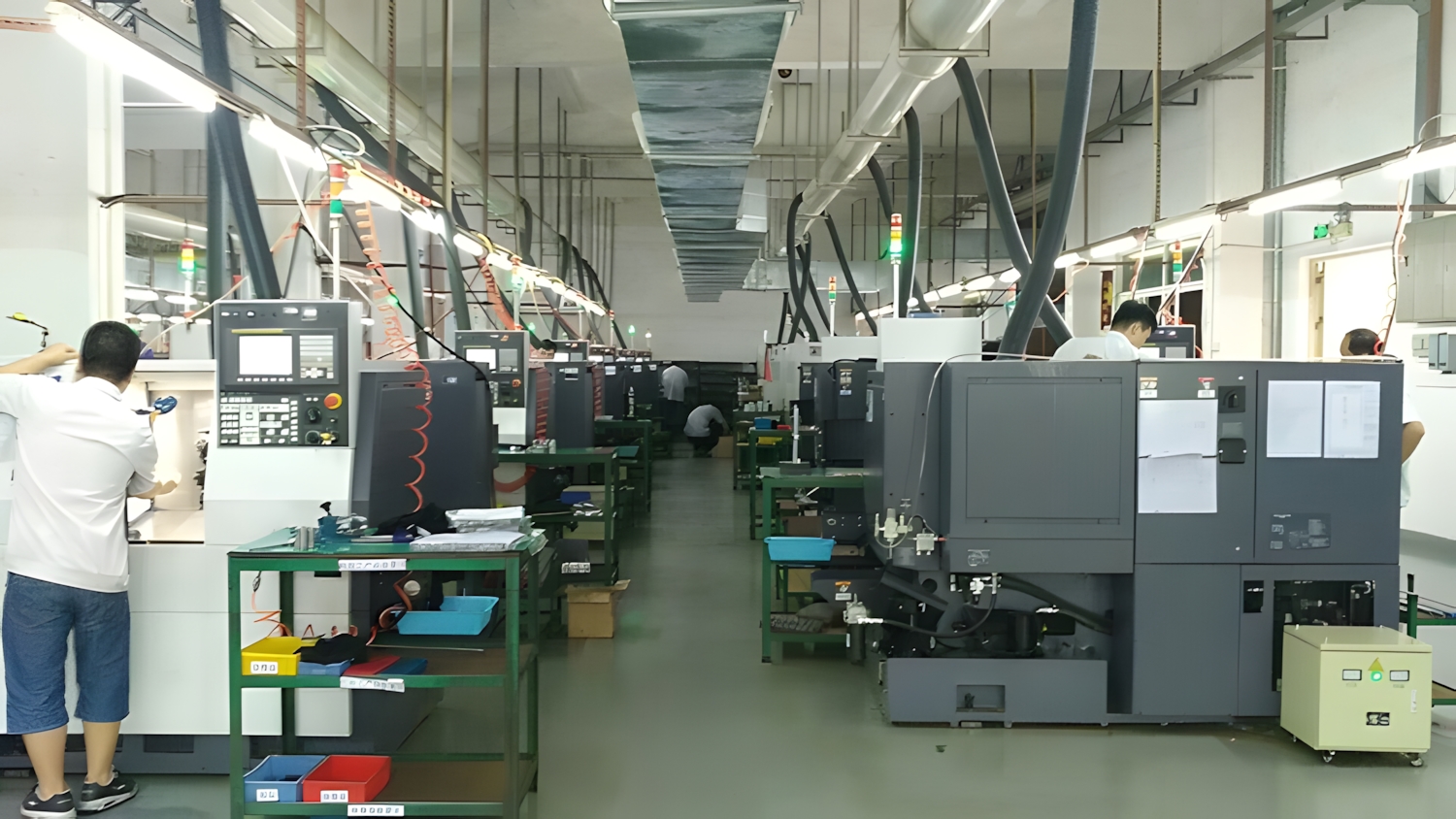
Advantages of Small Batch CNC Machining
A controlled low-volume route gives engineering teams room to validate, release and improve a part without waiting for full production tooling.
Adapt Between Revisions
Apply approved design updates before a later production release.
Shorter Release Path
Begin with machining instead of waiting for dedicated mass-production tooling.
Application-Specific Routing
Combine turning, milling, EDM, grinding and finishing where the part requires it.
Material Comparison
Review alternative metals or plastics before committing to a larger order.
Pilot Before Scale-Up
Verify fit, assembly and inspection using production-intent material.
Complex Geometry Without Hard Tooling
Produce detailed geometry directly from digital manufacturing data.
Metals and Engineering Plastics for Small Batches
Material is selected around mechanical load, corrosion, temperature, dimensional stability, finish and the final operating environment.
Plastic Materials
Engineering polymers for low weight, insulation, wear, chemical resistance and special thermal needs.
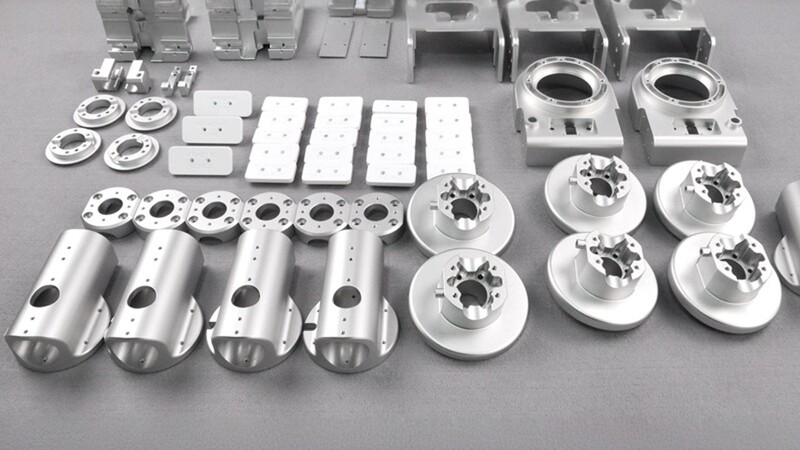
Small Batch CNC Machined Parts
Representative low-volume components in metals and engineering plastics. Each slide can be replaced directly in the Bricks carousel settings.
A Clearer Route from Drawing to Released Parts
YXT organizes engineering review, process selection, production and inspection around the approved part data so future batches can start from a controlled baseline.
DFM Before Setup
Tool access, corner radii, tolerances, threads and finish requirements are reviewed before machining.
Process Matched to Geometry
Milling, turning, EDM, grinding and secondary work can be combined around the actual part.
First-Article and In-Process Checks
Critical features can be checked before and during the batch instead of only at final release.
Batch Records and Revision Control
Approved manufacturing information provides a clearer starting point for repeat orders.
From Pilot Run to Repeat Order
A simple five-stage path keeps engineering decisions visible and gives later batches a reliable point of reference.
Drawing Review
Confirm files, material, quantity, critical tolerances, finish and inspection expectations.
Route and Fixture Planning
Select operations, workholding, tool access and the most practical production sequence.
First Article
Machine and verify an initial part before releasing the remaining batch when appropriate.
Controlled Batch Run
Produce against the approved route with in-process checks focused on critical features.
Inspection and Release
Complete the agreed checks, protect parts for shipment and retain the approved revision baseline.
3D model, dimensioned drawing, material, quantity, finish and critical inspection needs.
Small Batch CNC Machining FAQs
Practical answers for planning a low-volume CNC machining request.
How is small batch machining different from mass production?
Small batch machining is planned for limited quantities, design validation and flexible release. It usually avoids dedicated mass-production tooling and gives engineering teams more room to review changes before scaling.
What quantity is considered a small batch?
There is no single fixed quantity. The practical range depends on part geometry, material, setup effort, inspection scope and whether the order is a pilot build, bridge run or repeat release.
How long does a small batch CNC order take?
Lead time depends on material availability, process sequence, finish, quantity and inspection requirements. Send the complete drawing package so YXT can review a realistic schedule.
Can a design change between batches?
Yes. Send the updated revision and clearly identify the changed features. YXT will review the effect on tooling, setup, cost, inspection and any previously approved manufacturing information.
Which materials can be used for small batches?
Projects can be reviewed in aluminum, stainless steel, alloy steel, brass, copper, titanium and other machinable metals, plus plastics such as acetal, ABS, polycarbonate, PEEK, nylon and PTFE.
Can finishing be included with the machined parts?
Yes. Available options can include anodizing, plating, passivation, bead blasting, polishing, powder coating and other project-specific finishes. The final selection depends on material and application.
Turn Your Approved Design into a Controlled Small Batch
Send your files, material, quantity, finish and critical requirements. YXT will review the manufacturing route and reply with practical quotation feedback.