
Precision Micro Machining Services
Manufacture miniature, feature-dense components with a process route built around tool access, burr control, stable datums and measurable critical dimensions.
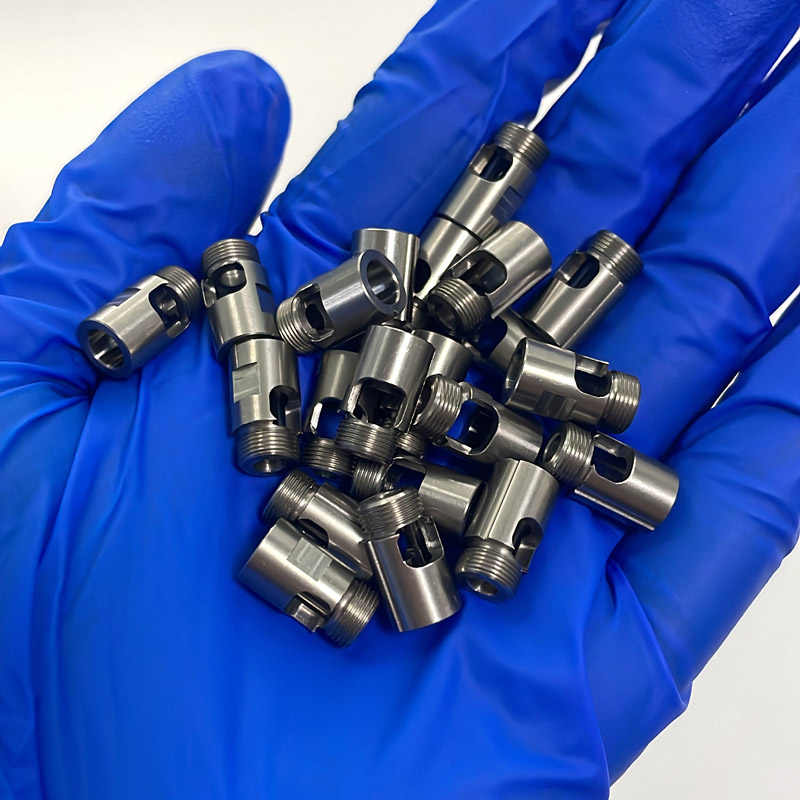
Feature Scale
Small diameters, slots, bores and thin-wall details reviewed for tool access.
Tolerance Planning
Targets as tight as ±0.005 mm where geometry, material and inspection allow.
Material Range
Stainless steel, titanium, brass, aluminum, PEEK, POM and more.
Lot Flexibility
Prototype, pilot and repeat production quantities from one managed route.
What Makes Micro Machining Different
At micro scale, tool deflection, heat, burrs and measurement uncertainty can change a functional feature. YXT reviews the complete tolerance stack before selecting machines, tools and inspection methods.
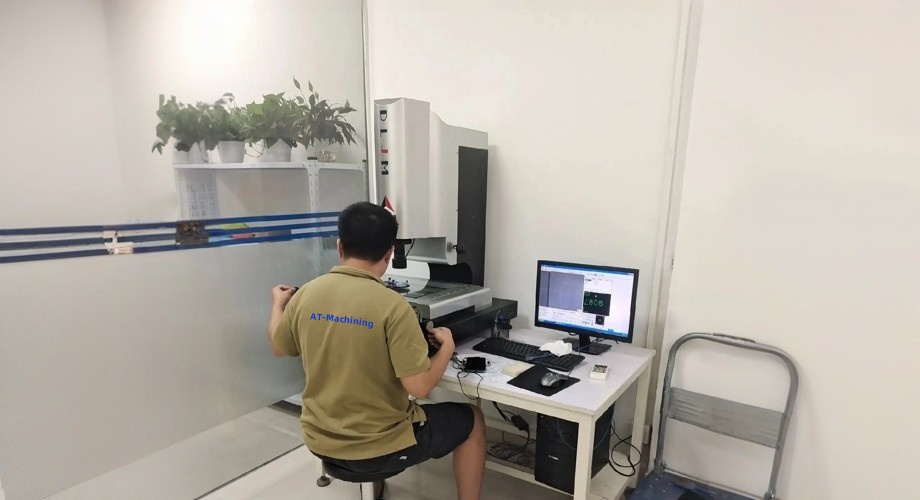
Tool Access and Rigidity
Feature depth, corner radii and tool reach are reviewed to reduce deflection and protect small cutting edges.
Burr and Edge Control
Cutting order, tool condition and deburring methods are selected around fragile edges, threads and intersecting holes.
Measurement That Matches the Feature
Optical, contact and gauge-based inspection is chosen according to size, access, datum scheme and functional risk.
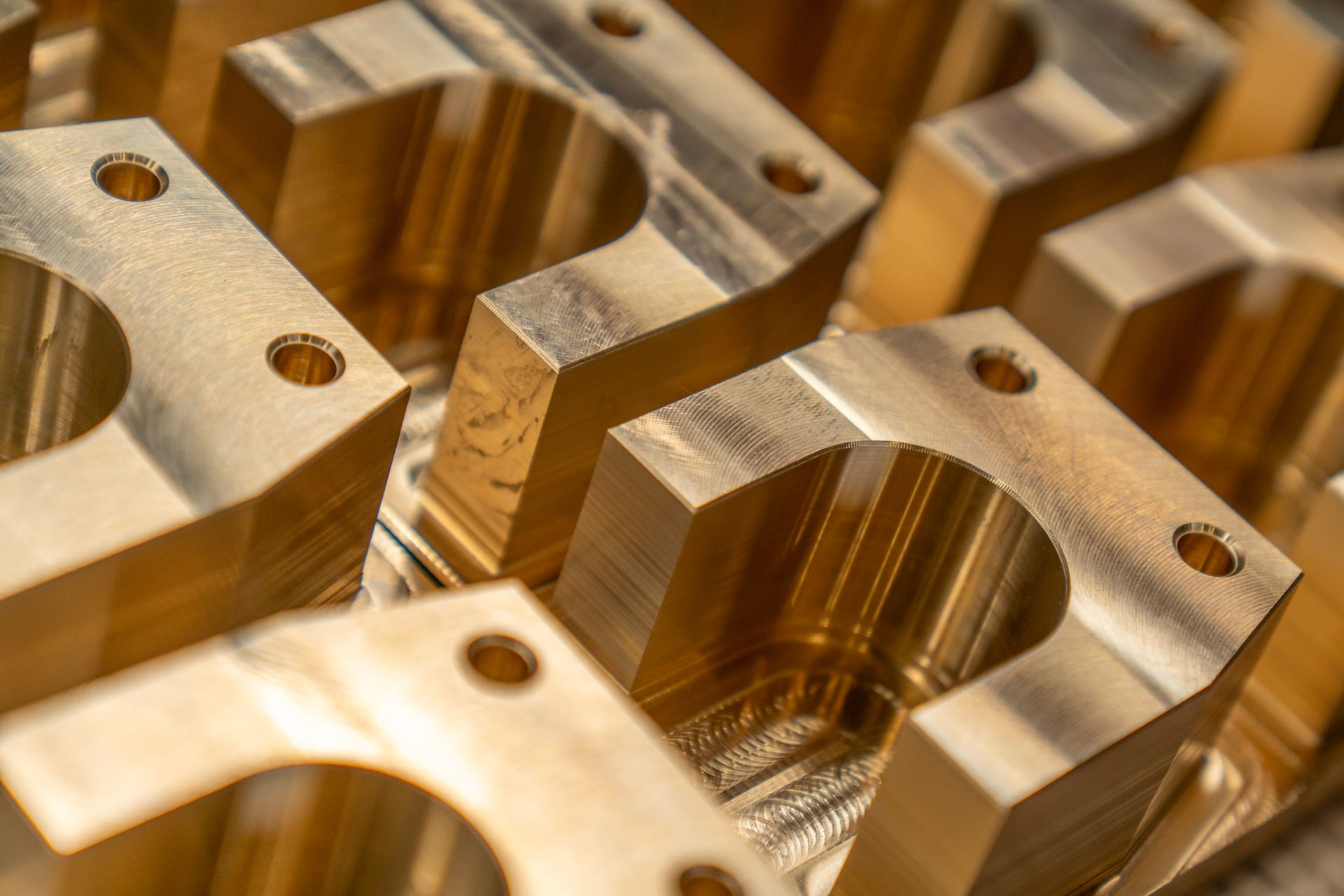 FEATURE-LEVEL CONTROL
What Is Precision Micro Machining?
Precision micro machining applies CNC milling, turning, drilling, EDM and finishing methods to small components and fine features. The process is defined less by one fixed part size than by the relationship between feature scale, tolerance, material behavior and inspection access.
Precision Micro Machining Processes
The right route may combine several processes. Each operation is selected around feature geometry, material response, tool access and how the finished dimension will be verified.
Swiss Micro Turning
Guide-bushing support helps control slender shafts, pins, screws, sleeves and miniature rotational components.
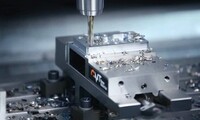
Micro Milling
Small-diameter cutters produce pockets, channels, flats and complex prismatic features with controlled tool engagement.
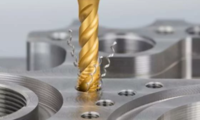
Micro Drilling
Pecking strategy, runout control and chip evacuation support fine bores, cross holes and deep small-diameter features.
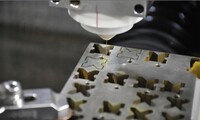
Fine-Feature EDM
Wire and sinker EDM support narrow slots, hard materials and internal details that are inaccessible to conventional tools.

Precision Grinding
Grinding supports controlled diameter, flatness and surface finish on selected critical faces and cylindrical features.
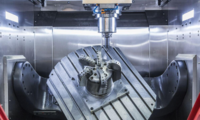
Multi-Axis Micro Machining
Coordinated tool access reduces handling for compound angles, miniature ports and complex multi-sided geometry.
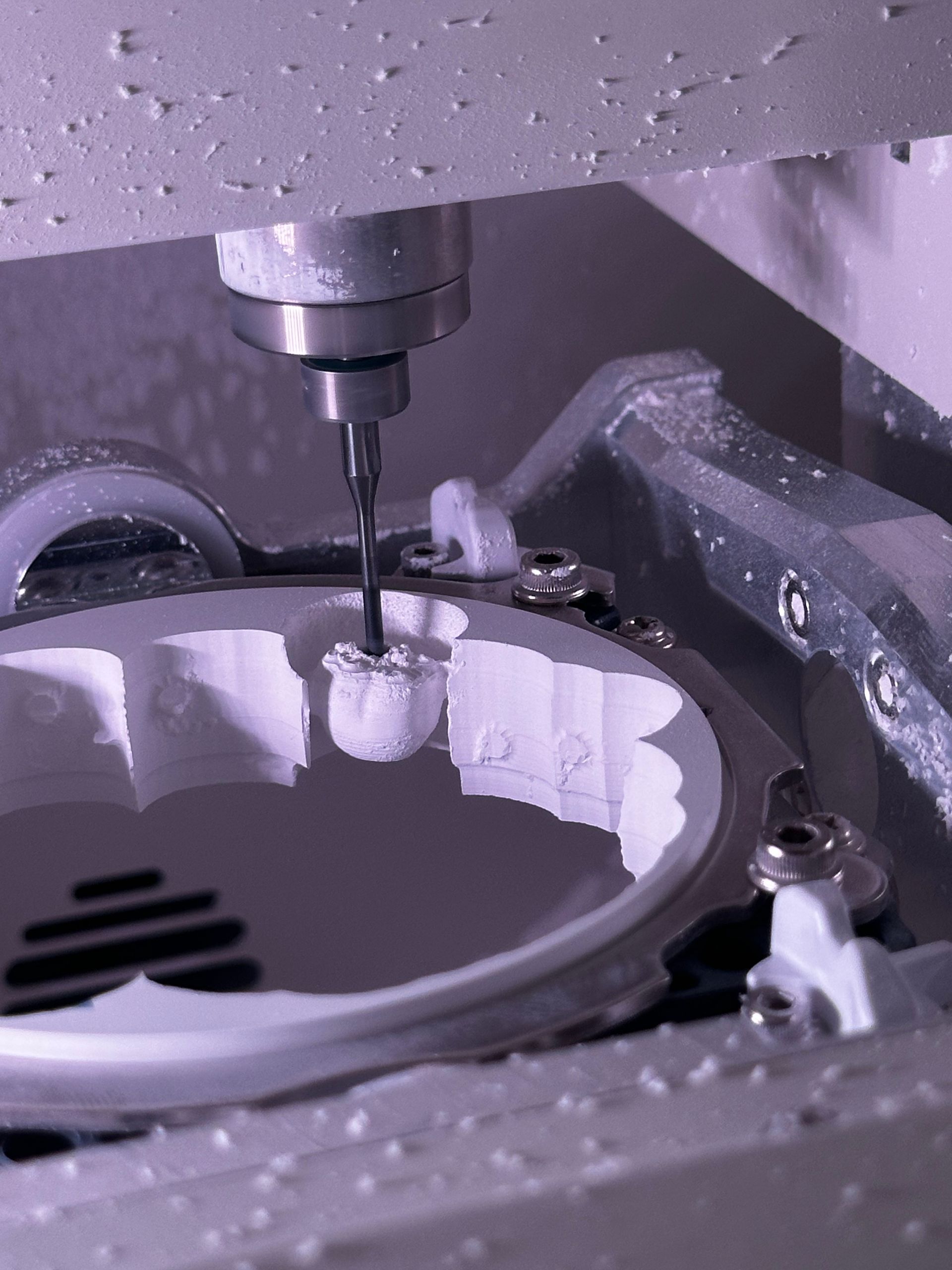
Micro Components for Demanding Industries
Miniature parts often sit inside critical assemblies where space, alignment, flow or signal integrity matters. We review each application around its functional features and verification needs.
Medical and Diagnostics
Miniature screws, instrument features, housings and fluid-handling components.
Electronics and Sensors
Connectors, contact hardware, miniature housings and thermal components.
Optics and Fiber Systems
Alignment sleeves, mounts, ferrule-related hardware and precision interfaces.
Aerospace and Space
Lightweight small components, instrumentation hardware and compact mechanisms.
Fluid and Motion Control
Micro nozzles, valve stems, seats, pins and small flow-control geometry.
Robotics and Instruments
Miniature shafts, gears, pivots and repeatable mechanical interfaces.
Metals and Plastics for Micro Components
Material selection affects tool wear, burr formation, dimensional stability and feature strength. Final feasibility is reviewed against geometry, tolerance and surface requirements.
Plastic Materials
Engineering polymers for insulation, low friction, low weight, chemical resistance and controlled thermal performance.
Precision Micro Machined Part Families
Representative miniature screws, pins, connectors, valve hardware and polymer components. Every image remains directly replaceable in the native Bricks carousel.
A Clearer Route from Micro Features to Verified Parts
YXT connects DFM, machining, deburring and inspection around the same datum scheme so difficult features remain visible throughout production.
DFM at Feature Scale
Tool reach, wall thickness, radii, threads and datum access are reviewed before setup.
Machining and Deburring Planned Together
Operation order and edge-control methods are selected before fragile features are created.
Measurement Matched to Access
Optical, contact and gauge methods are selected according to feature size and datum strategy.
Controlled Repeat Production
Approved revisions and process information provide a clearer baseline for repeat orders.
Plan the Measurement Before Cutting the Feature
A five-stage workflow connects drawing intent, process planning and inspection so critical micro features are measurable before production begins.
Drawing and Datum Review
Confirm files, material, feature callouts, datum structure, finish and inspection expectations.
Process and Measurement Plan
Select operations, workholding, tool access and a realistic method for every critical dimension.
First-Off Verification
Machine and inspect an initial component before releasing the remaining lot when appropriate.
In-Process Checks
Monitor tool condition, critical diameters, position and burr-sensitive features during production.
Final Inspection and Release
Complete the agreed checks, protect miniature parts for shipment and retain the approved revision baseline.
3D model, dimensioned drawing, material, quantity, finish, datum scheme and critical inspection needs.
Precision Micro Machining FAQs
Practical answers for planning miniature components and fine machined features.
What counts as precision micro machining?
There is no single universal part-size limit. A project becomes micro machining when feature size, tool diameter, tolerance, workholding or inspection access requires a dedicated small-feature strategy.
What tolerances can YXT hold on micro components?
Tolerance capability depends on feature geometry, material, part stability, tool access and the measurement method. Targets as tight as ±0.005 mm can be reviewed for suitable features, but the drawing must be assessed before confirmation.
What is the smallest hole or feature you can machine?
The practical minimum depends on depth-to-diameter ratio, material, tool access, runout and whether the feature can be inspected. Send the 3D model and drawing so YXT can evaluate the exact feature instead of relying on a generic limit.
Which materials are suitable for micro machining?
Projects can be reviewed in aluminum, stainless steel, titanium, brass, copper, alloy steel, Kovar and other machinable metals, plus engineering plastics such as POM, PEEK, PTFE, PEI, PMMA and nylon.
How do you control burrs on miniature features?
Burr control starts with operation order, tool condition, cutting parameters and feature orientation. Mechanical, thermal or manual deburring methods are then selected according to geometry, material and edge requirements.
How are micro features inspected?
Inspection may combine optical measurement, calibrated contact tools, gauges and application-specific fixtures. The method is selected around feature size, accessibility, datum strategy and the agreed reporting scope.
Put Your Smallest Critical Features Up for Review
Send your model, drawing, material, quantity and critical dimensions. YXT will review tool access, process routing and inspection feasibility before quotation.