
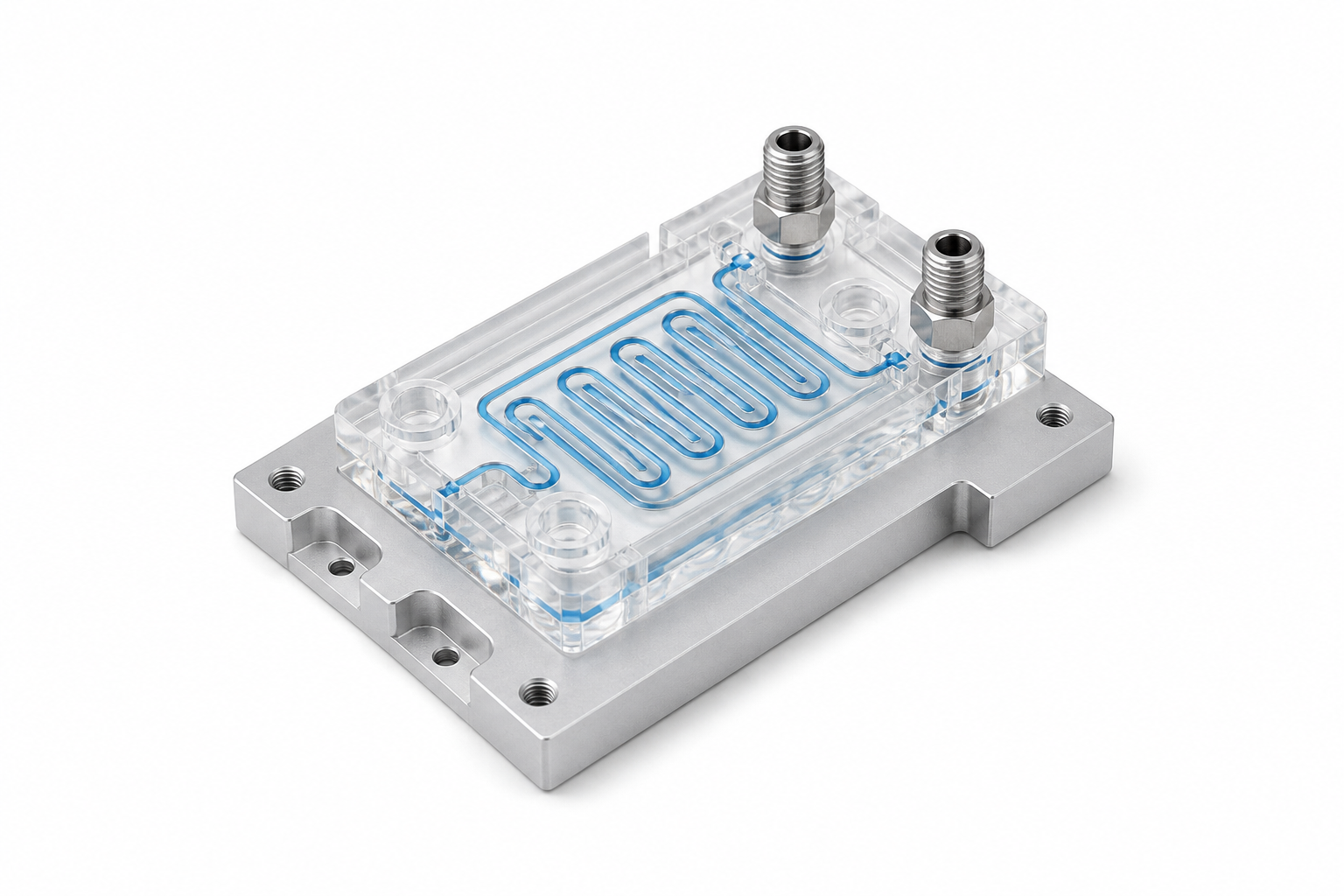
Microfluidic Chip Manufacturing Services
Precision-machined PMMA chips, fluidic manifolds, ports, fixtures and miniature interfaces for laboratory, diagnostic and industrial fluid-control systems.
+/- 0.005 mm
Drawing-dependent tolerance review for suitable features
CNC Microfeatures
Channels, ports, pockets and alignment geometry
Prototype to Production
Development chips, pilot lots and repeat orders
Polymer & Metal Systems
PMMA chips, manifolds, fixtures and precision fittings
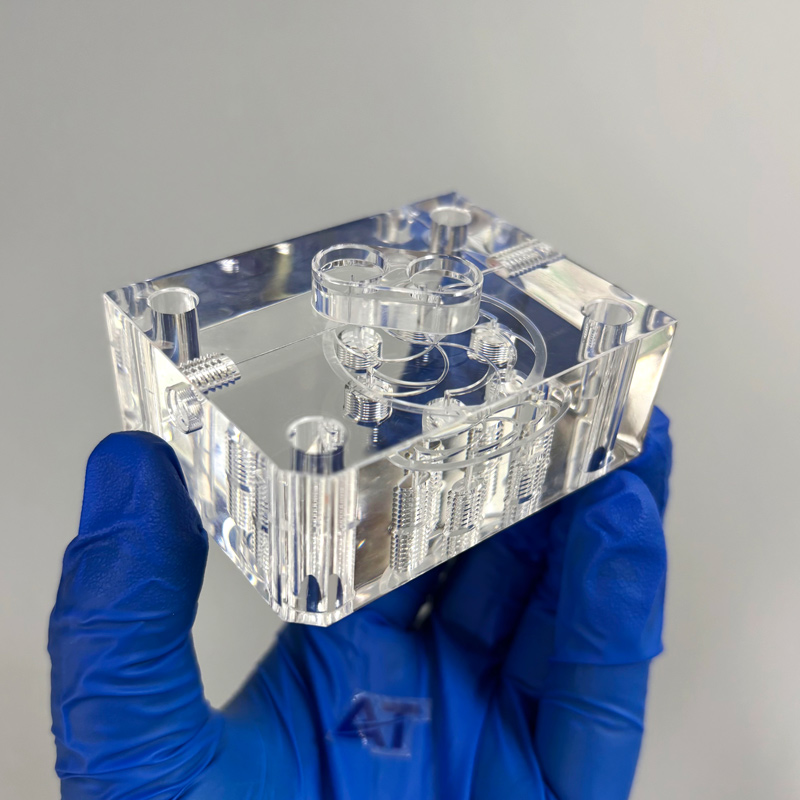
Microfluidic performance begins with controlled geometry
Microfluidic chips combine narrow channels, small ports, flat sealing lands, optical surfaces and alignment-sensitive layers. YXT reviews channel geometry, cutter access, datums, flatness, surface requirements and the intended bonding route before defining the machining process.
Drawing, channel network and interface review before programming
First-piece verification before the remaining quantity proceeds
Tooling and in-process checks planned around burr and surface risk
Visual, dimensional and surface inspection aligned with the RFQ
Materials selected around fluid, optics and bonding
Transparency, chemical exposure, operating temperature, dimensional stability, surface finish and bonding method all influence material selection. YXT machines customer-specified grades and confirms stock and documentation requirements before production.
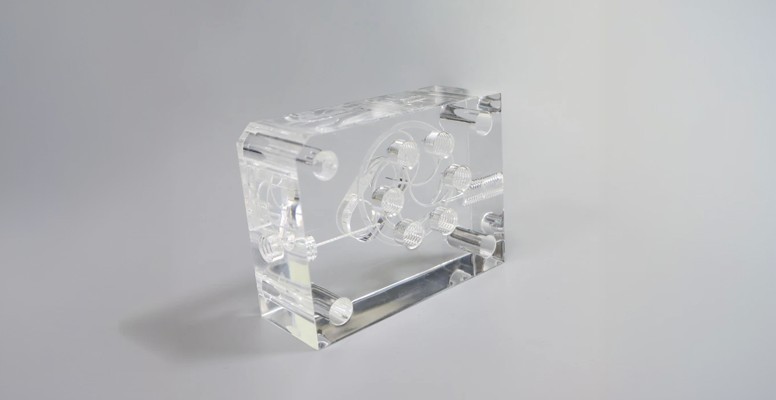
Optical PMMA
Clear acrylic for prototype chips, covers, viewing windows and fluidic manifolds where visual access and stable machining matter.
Typical options: cast or extruded PMMA, grade specified by customer
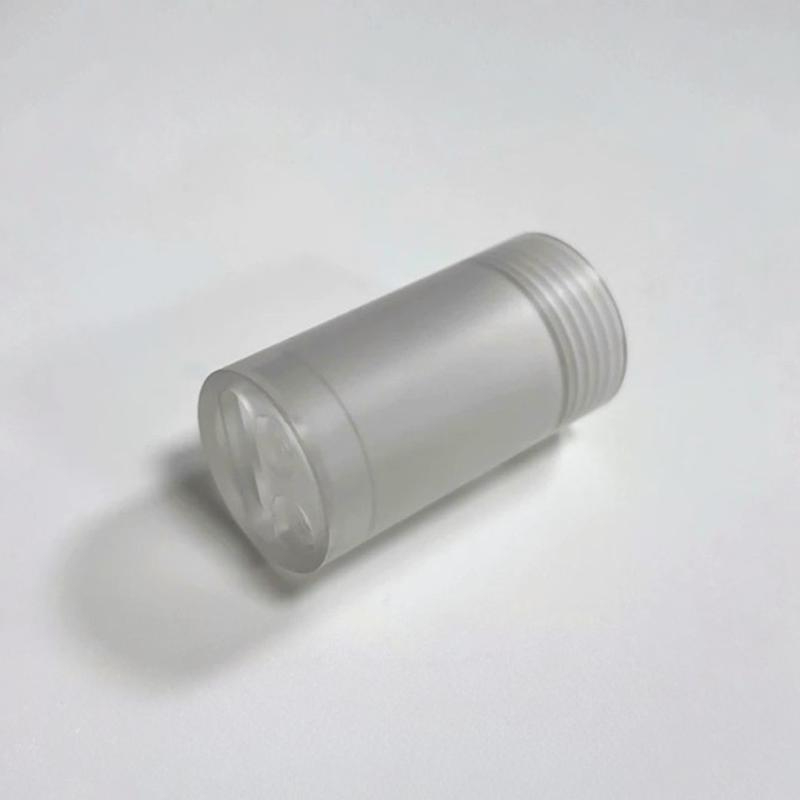
Polycarbonate & COC/COP
Transparent polymer options evaluated for toughness, optical behavior, fluid compatibility and the intended sealing process.
Material and bonding suitability must be confirmed for the application
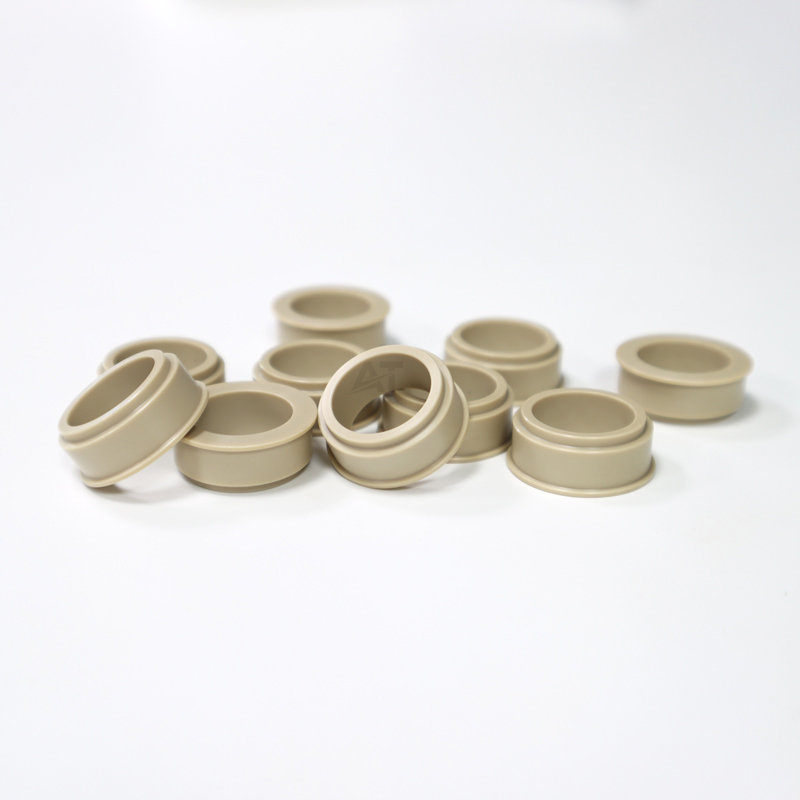
PEEK & POM
Engineering polymers for chemically resistant manifolds, insulating components, valve bodies and precision support hardware.
Grade, filler, chemical compatibility and temperature must be specified
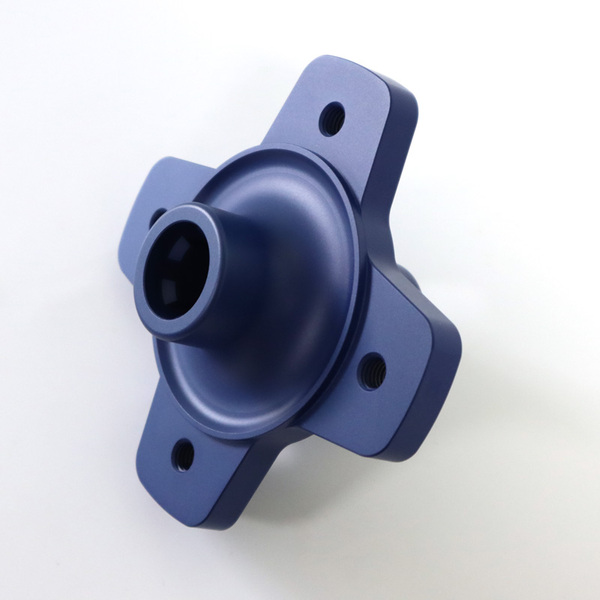
Aluminum & Stainless Fixtures
Machined metal carriers, clamps, fittings, alignment plates and test fixtures for chip bonding, assembly and controlled fluid connections.
Typical options: 6061 aluminum, 303, 304 and 316 stainless steel
Fluid compatibility, optical performance, extractables, bonding, cleaning and regulatory suitability are application-specific. The product owner must define and validate the approved material and acceptance requirements.
Manufacturing routes for microfluidic chips and tooling
Channel networks, ports, sealing faces and matching fixtures may require coordinated polymer and metal machining. The process route is selected to protect feature relationships, edge quality, flatness and inspection access.
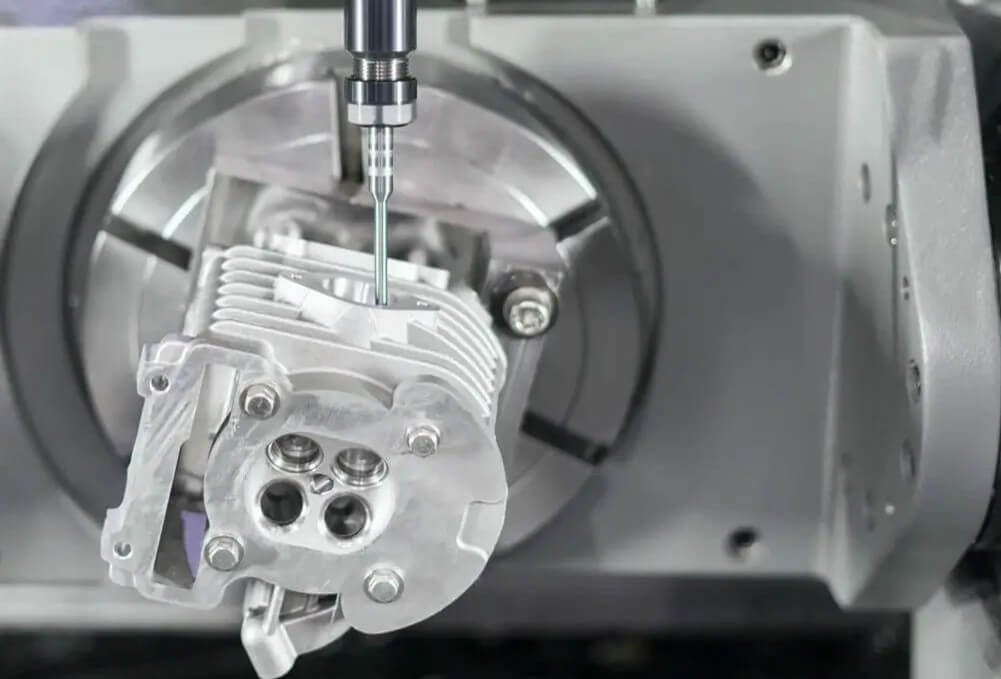
Precision CNC Micromilling
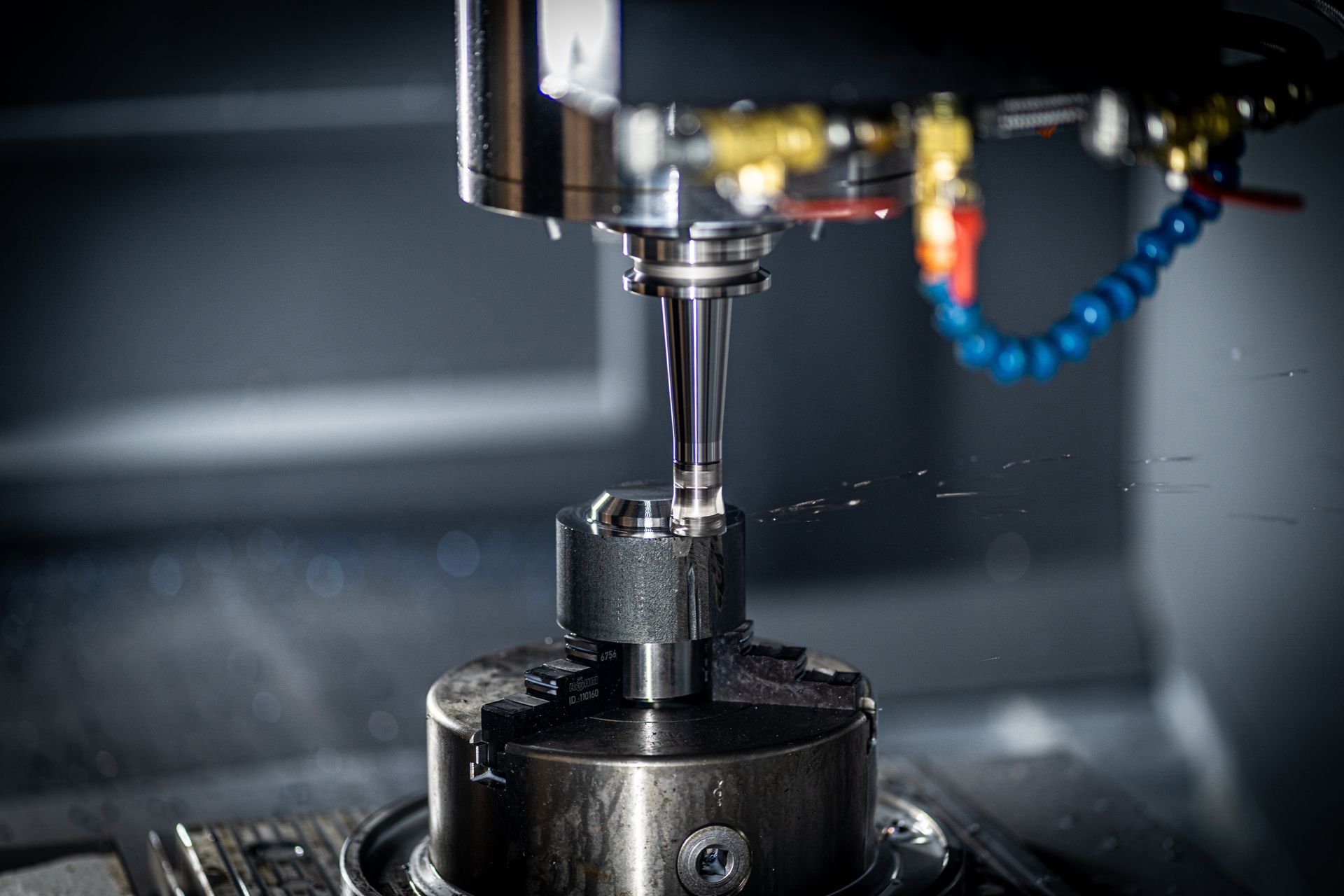
Creates channels, chambers, pockets and alignment features while controlling cutter access, corner radius, burr formation and layer-to-layer datums.
View Micro Machining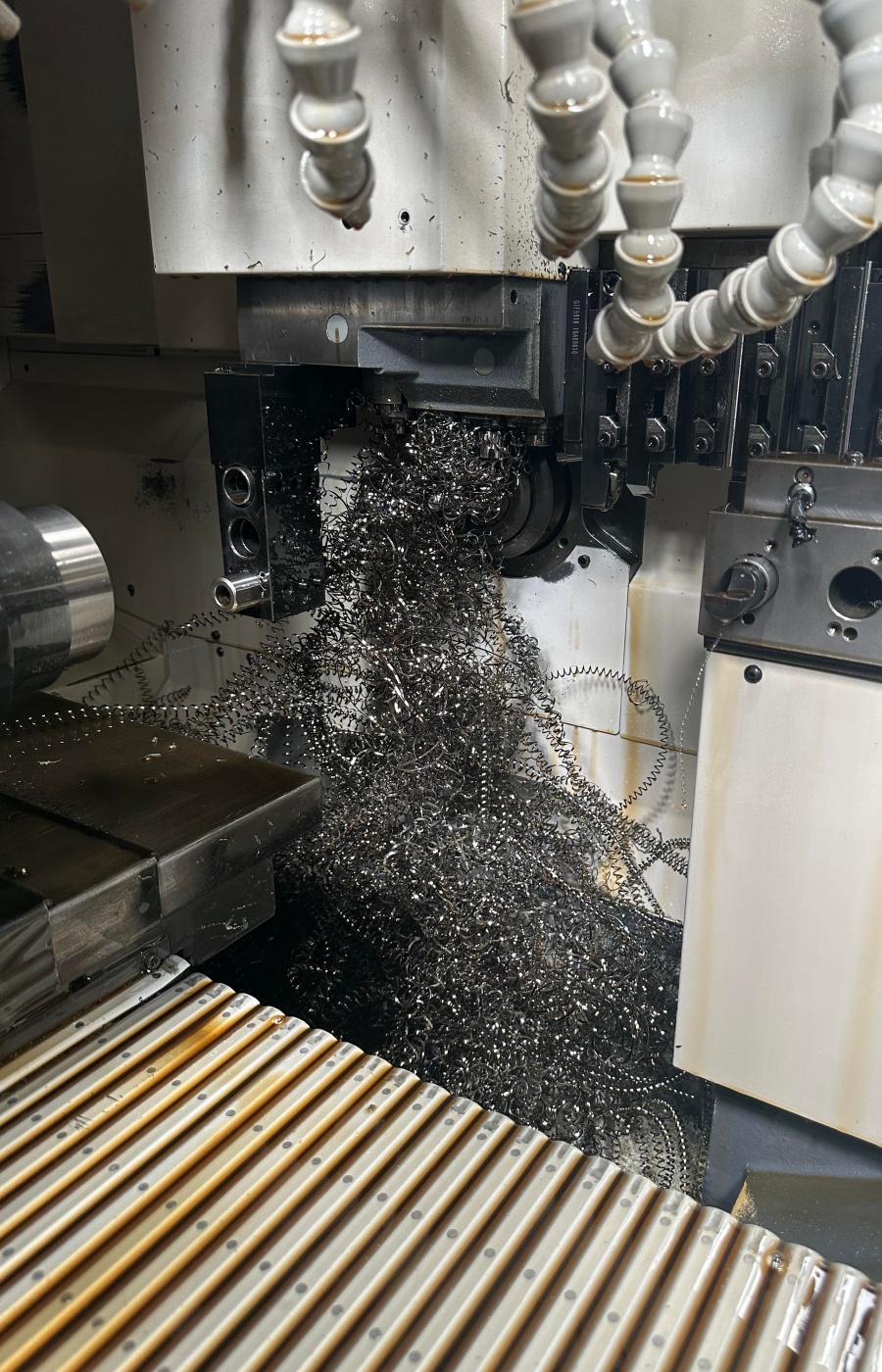
Micro-Drilling & Precision Turning
Supports small ports, threaded connections, nozzles, fittings and cylindrical interfaces used around fluidic chips and manifolds.
View CNC Turning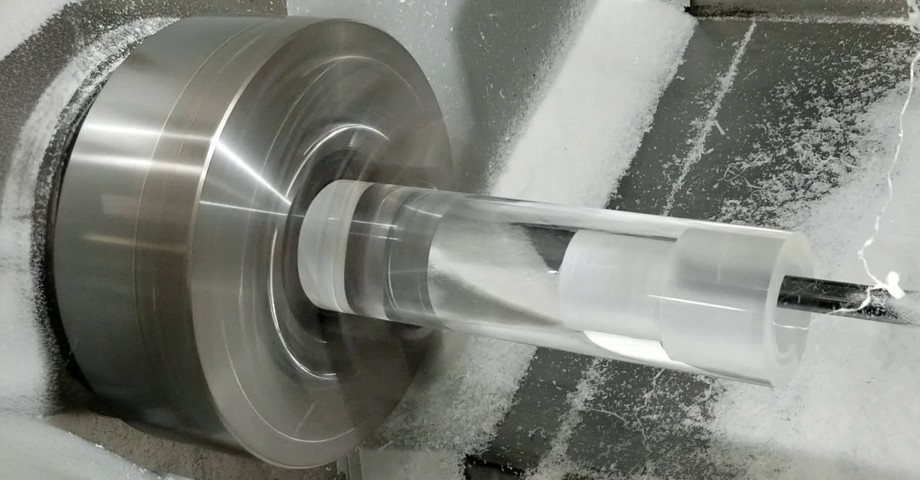
Polymer Machining & Polishing
Combines controlled cutting, deburring and agreed polishing methods for clear windows, sealing lands and cosmetic polymer surfaces.
View CNC Machining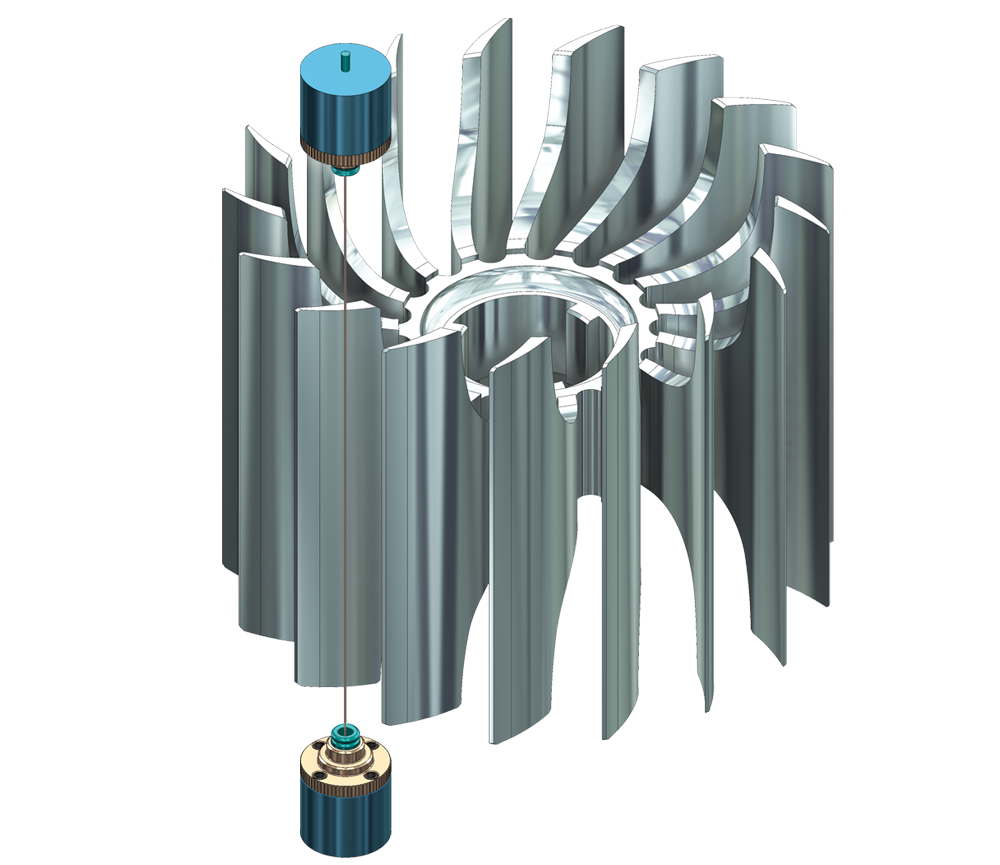
Wire EDM & Secondary Tooling
Produces precise metal inserts, narrow slots, gauges and assembly tooling that support repeatable chip alignment and bonding.
View Wire EDMMicrofluidic components for development and production systems
From one-off feasibility chips to repeatable manifolds and assembly tooling, YXT reviews each part around its fluid path, interfaces, material and inspection needs.
Lab-on-a-Chip Prototypes
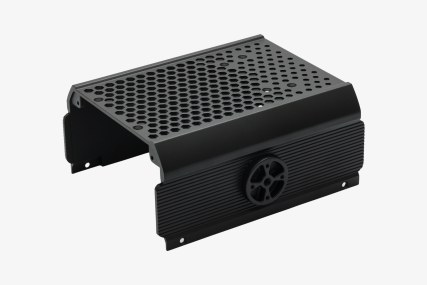
Fluidic Manifolds
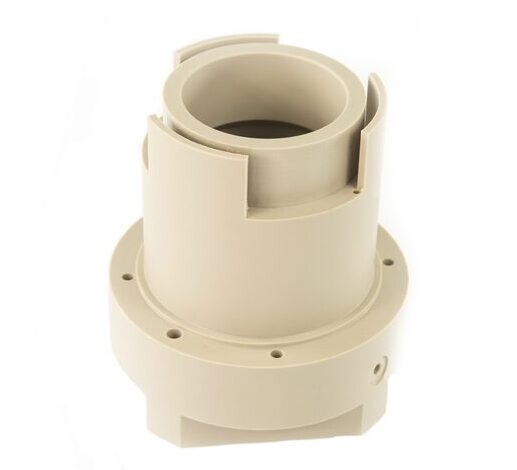
Diagnostic Cartridge Fixtures
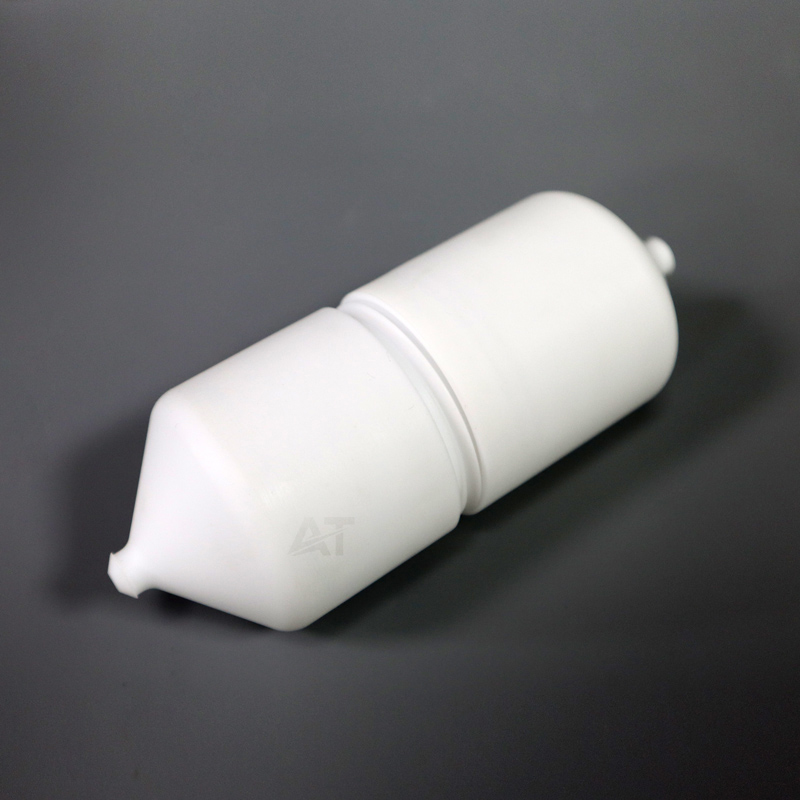
Mixing & Reaction Chips
Sensor & Optical Flow Cells
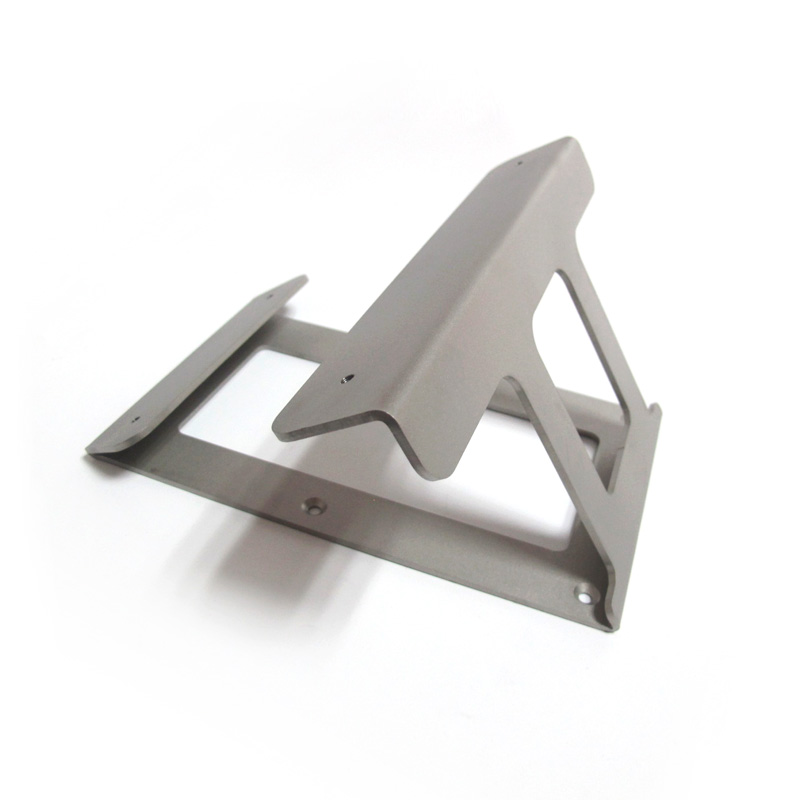
Bonding & Assembly Fixtures
A controlled path from concept chip to repeat production
Microfluidic programs often progress through channel revisions, material trials and pilot quantities. YXT confirms the current CAD, drawing, substrate, bonding assumptions and inspection scope at each stage.
Fluid Path & DFM Review
Review channels, ports, corner radii, datums, sealing lands, material, surface requirements and inspection access before quotation.
Prototype Chip Build
Machine development chips and fixtures for fit, assembly and engineering learning with revision status clearly identified.
Pilot & Validation Lot
Plan repeatable workholding and an agreed inspection scope for pilot quantities or process verification.
Repeat Production
Maintain the released revision, approved route and order-specific records while monitoring channel and interface consistency.
Lead time is quoted from confirmed drawings, material availability, channel complexity, quantity, polishing, secondary processing and documentation requirements.
Reduce manufacturing risk without compromising channel function
Useful savings come from clarifying flow-critical features and reducing avoidable setup or inspection effort. YXT flags manufacturability choices while leaving fluidic performance and design authority with the customer.
Channel Geometry Review
Match channel depth, width, corner radius and transitions to available tooling while preserving the intended functional geometry.
Setup & Datum Consolidation
Use common datums and accessible features to reduce repositioning and protect layer-to-layer alignment.
Substrate & Material Planning
Confirm polymer grade, stock thickness, flatness, transparency and machining allowance before material purchasing.
Inspection Strategy
Define channel, port, flatness and interface checks so measurement supports actual acceptance requirements.
Confidential handling for proprietary chip designs
Microfluidic projects can include unreleased channel networks, proprietary assays and sensitive interfaces. YXT can review a mutual NDA before detailed files are shared and limits project information to the people required for quotation and production.
Mutual NDA review available before detailed design exchange
Project files identified by customer, revision and part number
Supplier sharing limited to approved processes and necessary scope
No customer logos, product names or case details published without permission
Inspection options aligned with fluidic function
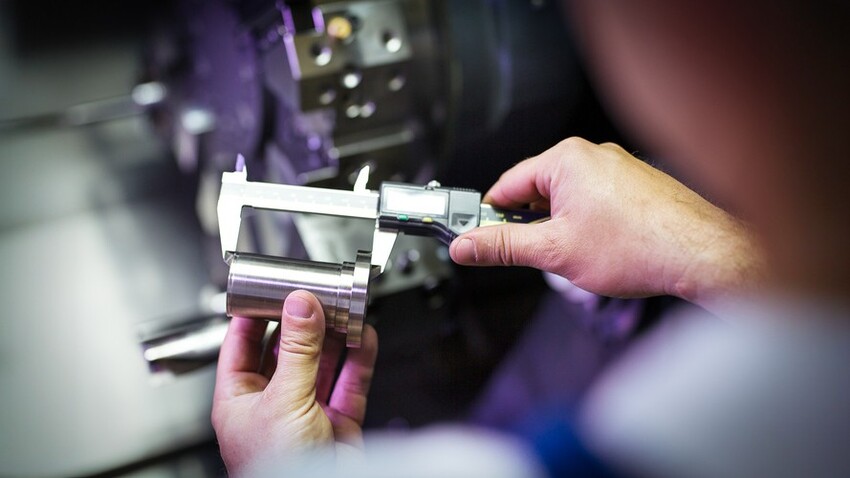
State the required records during RFQ so YXT can confirm measurement methods, report format and retention expectations before quotation.
First article report
Available when the ballooned drawing, feature scope and report format are agreed.
Channel and port inspection
Visual or dimensional checks based on accessible channel, chamber and interface features.
Material records
Supplier certificate or material report when requested and available for the selected stock.
Surface and flatness checks
Inspection method and reporting scope agreed around sealing and optical requirements.
Fixture and assembly records
Relevant tooling or secondary-process records coordinated when included in the quotation.
Lot traceability
Part, order and material-lot traceability defined to the agreed project scope.
YXT supplies machined chips, manifolds and fixtures to customer specifications. Flow performance, sealing, bonding, chemical compatibility, cleaning and regulatory validation remain the product owner's responsibility unless a separate written scope states otherwise.
Questions about microfluidic chip manufacturing
Send the latest CAD, drawing and interface requirements for advice tied to your actual chip geometry and project stage.
Ask YXT an Engineering QuestionWhich materials can YXT machine for microfluidic chips?
Common prototype materials include PMMA, polycarbonate, PEEK, POM and other engineering plastics, together with aluminum or stainless steel for manifolds, fittings and fixtures. The customer should define the approved grade, transparency, fluid compatibility, temperature and bonding requirements.
How small can channels and ports be?
Achievable channel width, depth, corner radius and port diameter depend on material, aspect ratio, tool access, chip thickness, surface requirement and inspection method. Send the drawing for a feature-by-feature review rather than relying on a universal minimum value.
Can YXT machine clear or optical polymer surfaces?
Yes, suitable PMMA and other transparent polymers can be precision machined. Surface appearance and optical performance depend on stock quality, cutting direction, tool condition, polishing scope and the final viewing requirement, which should be stated during RFQ.
Can YXT provide bonding or sealed chip assemblies?
YXT can review machined layers, alignment features, carriers and assembly fixtures. Bonding, sealing, cleaning or leak testing is included only when the exact material pair, method, acceptance criteria and validation scope are reviewed and confirmed in writing.
Can you manufacture metal manifolds and chip fixtures?
Yes. YXT can machine aluminum and stainless steel manifolds, clamps, alignment plates, fittings, gauges and bonding fixtures alongside polymer chip components when the drawings and interface requirements are provided.
Can YXT support prototypes and repeat production?
Yes. YXT can review one-off engineering chips, small pilot lots and repeat orders. Workholding, tool control, inspection frequency and documentation are planned around the current revision, quantity and expected project stage.
Ready to review your microfluidic chip project?
Send YXT your CAD files, dimensioned drawing and functional requirements. We will review the channel geometry, ports, substrate, bonding assumptions, surface needs, inspection scope and quotation conditions.
INCLUDE WITH YOUR RFQ
3D CAD and controlled 2D drawing revision
Substrate material, transparency and fluid compatibility
Prototype, pilot and expected repeat-order quantities
Channel, port, flatness, surface and inspection requirements