
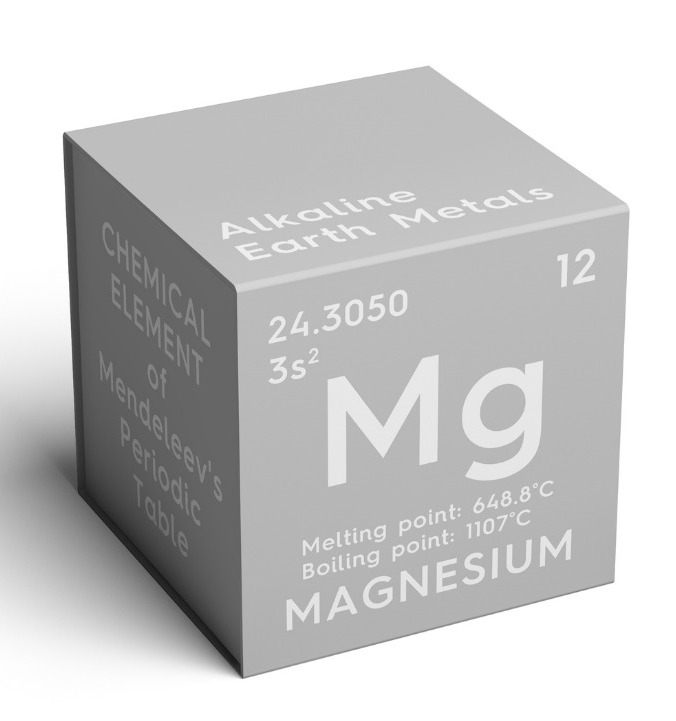
Magnesium CNC Machining Services
Lightweight magnesium machining for housings, frames, mobility systems, and mass-sensitive precision assemblies.
Drawing-based review for material, geometry, finish, quantity, and inspection.
YXT Capacity and Service for Magnesium CNC Machining
Lightweight housings, frames, and performance components with safe chip and finish planning.
Multi-Axis Milling
Pockets, profiles, bores, interfaces, and multi-side geometry with fewer setups.
Precision Turning
Shafts, sleeves, fittings, threads, grooves, and concentric features.
Secondary Operations
Deburring, grinding, heat treatment, coating, marking, and finishing coordination.
Quality Planning
Drawing review, critical datums, first-article checks, and final inspection planning.
About Magnesium
One of the lightest structural metals with useful machinability and vibration damping.
Magnesium can reduce component mass beyond aluminum while supporting high-speed machining. Its application should account for corrosion protection, chip management, and the selected alloy form.
AZ31B is common in wrought stock, while AZ91D is frequently associated with cast components. Material condition and sourcing should be verified before design release.
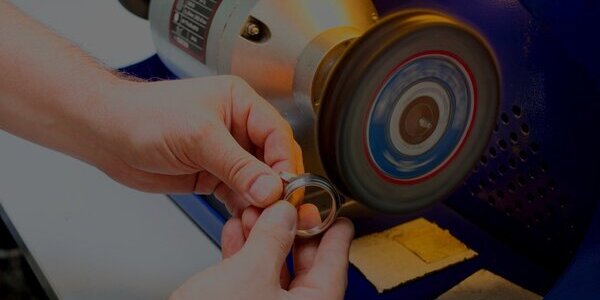
The Most Common Grades of Magnesium for CNC Machining
Review wrought or cast condition, stock form, corrosion protection, and service loads.
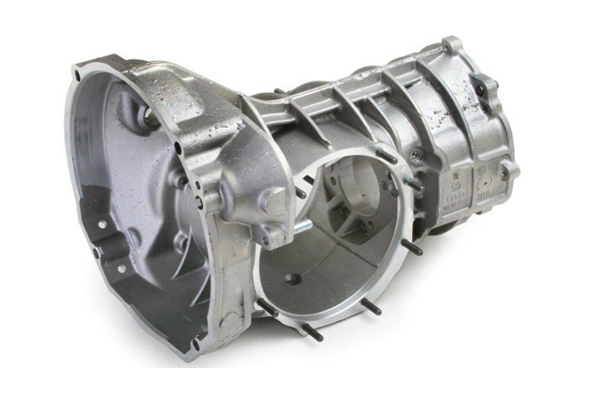
Material choices for drawing review
The selected grade should be reviewed with stock form, condition, certification, machining sequence, finishing, and service environment.
Comparison of Common Magnesium Alloys
A clear starting point for AZ31B and AZ91D selection.
Final selection should be confirmed against the drawing, service environment, stock condition, finish, and documentation requirements.
Include corrosion protection in the original design
Define conversion coating, anodizing, paint, masking, and protected interfaces before machining.
CNC Machined Magnesium Applications
Low-mass components for aerospace, automotive, medical, electronics, defense, and robotics.
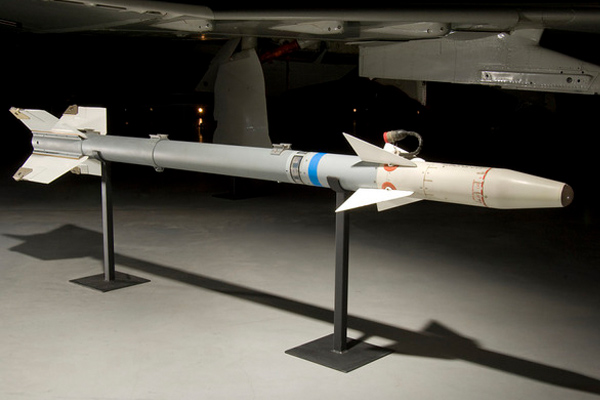
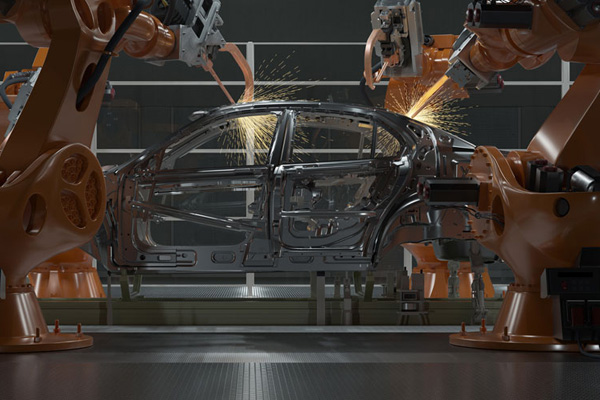
Mobility systems
Lightweight brackets, mounts, and portable equipment parts.
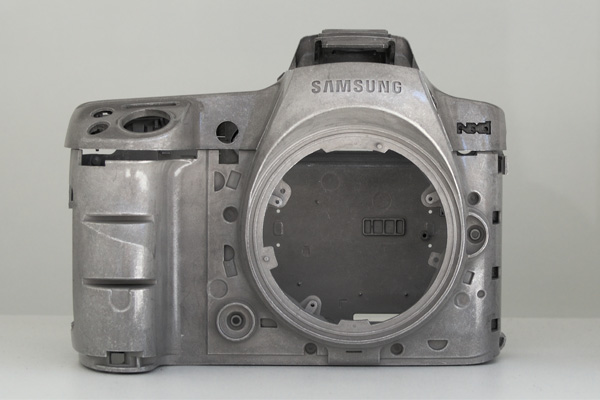
Aerospace structures
Low-mass housings and non-critical structural components.
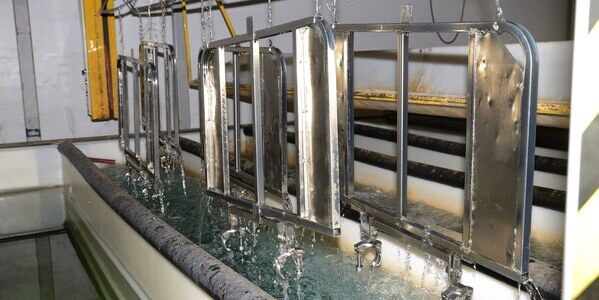
Electronics
Frames and enclosures requiring low weight and heat dissipation.
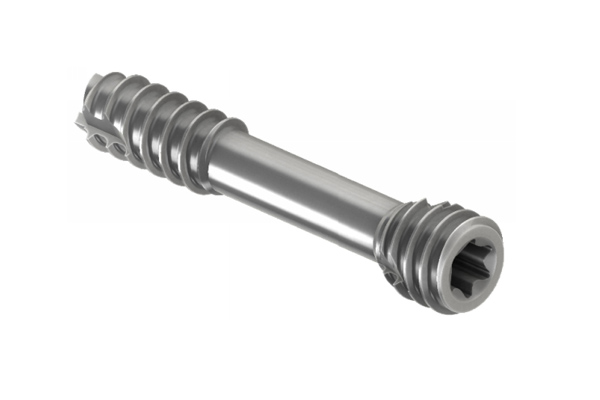
Electronics and Thermal
Precision components planned around the actual load, environment, assembly, and documentation needs.
Industrial Machinery
Precision components planned around the actual load, environment, assembly, and documentation needs.
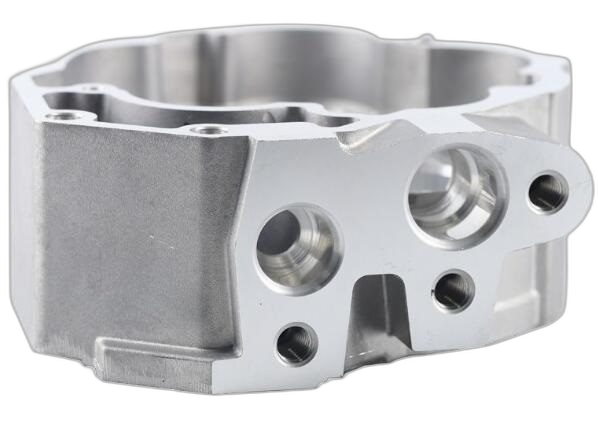
Robotics and Automation
Precision components planned around the actual load, environment, assembly, and documentation needs.
Surface Finishes for CNC Machined Magnesium Parts
Protection and appearance options selected around the alloy and exposure environment.
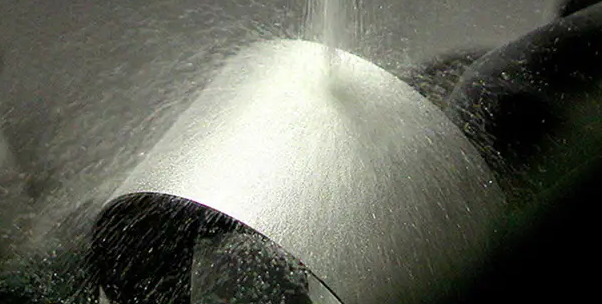
As machined
A controlled machined surface with deburring and cosmetic requirements defined on the drawing.
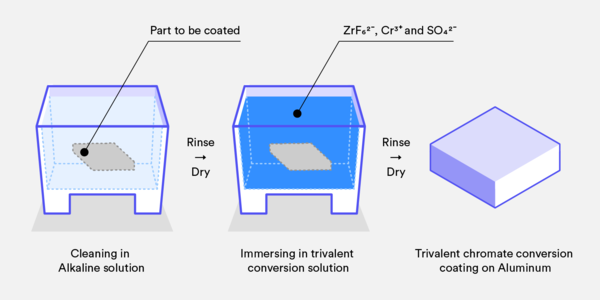
Chromate conversion
A controlled conversion layer for corrosion performance, wear, identification, or appearance.
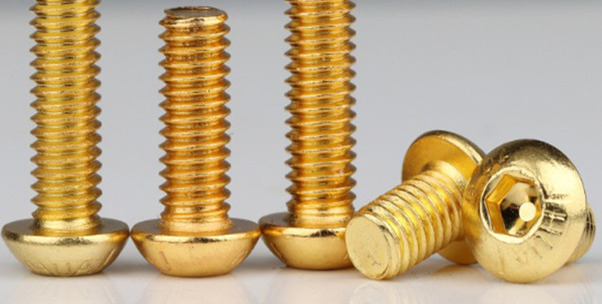
Magnesium anodizing
A controlled conversion layer for corrosion performance, wear, identification, or appearance.

Powder coating
A protective or cosmetic surface with masking, build, and visual standard defined.
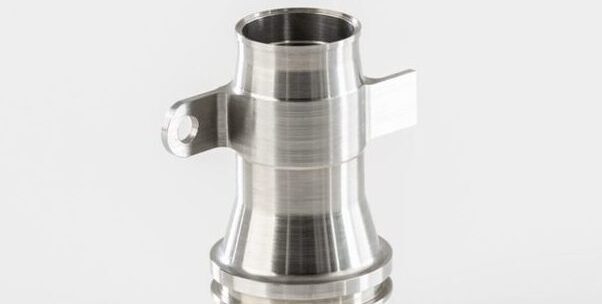
Painting
A controlled machined surface with deburring and cosmetic requirements defined on the drawing.
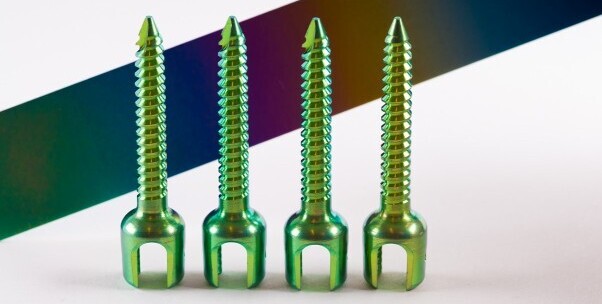
Protective sealing
A controlled machined surface with deburring and cosmetic requirements defined on the drawing.

Magnesium Laser Marking
A controlled machined surface with deburring and cosmetic requirements defined on the drawing.
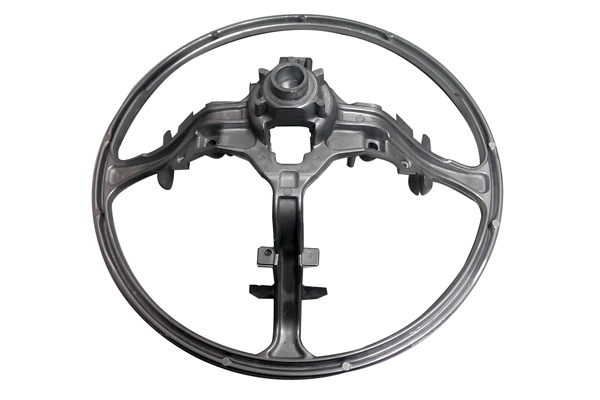
Magnesium Steering Wheel Columns
A controlled machined surface with deburring and cosmetic requirements defined on the drawing.
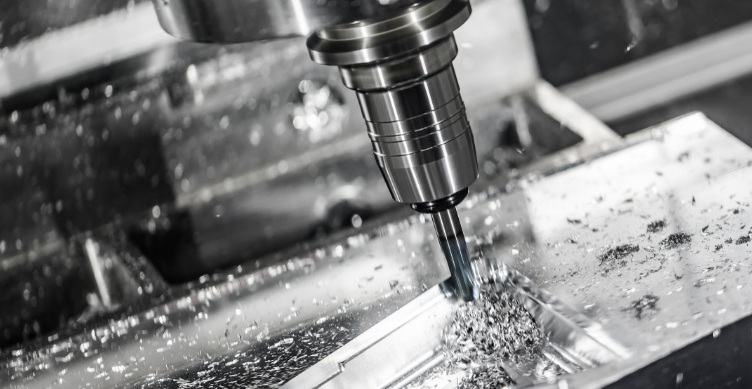
Titanium Machining
A controlled machined surface with deburring and cosmetic requirements defined on the drawing.
Magnesium CNC Machining Expertise
Sharp tooling, clean chip handling, stable fixturing, and controlled finishing keep lightweight parts predictable.
Use appropriate chip control and fire-safe machining procedures.
Keep tools sharp and avoid excessive heat accumulation.
Specify conversion coating or another corrosion-protection system.
Review thin-wall stiffness and fastening loads during design.
Why Choose YXT for Custom Magnesium Machining?
A joined-up approach to safety, dimensional stability, coating, and packaging.
Cost-Aware Planning
Geometry, tolerance, stock, and setup choices are reviewed around function and total process cost.
Quality Alignment
Critical datums, inspection method, and acceptance criteria are agreed before machining.
On-Demand Production
The manufacturing plan can scale from prototypes through repeat production quantities.
Tolerance Review
Requirements are checked against feature size, material behavior, access, and finishing.
Material Selection
Grade and condition are matched to service load, exposure, finish, and documentation.
Clear Communication
Drawing questions, production status, and change points are surfaced early.
CNC Machining Magnesium FAQs
Questions about safety, alloys, corrosion, and weight reduction.
Is magnesium safe to machine?
Yes, with appropriate chip handling, housekeeping, tooling, and fire-safety procedures.
Why does magnesium need coating?
Its reactive surface benefits from conversion coating, anodizing, paint, or another suitable protection system.
How does magnesium compare with aluminum?
Magnesium is lighter, while aluminum generally offers broader alloy availability and easier corrosion management.
What information should I send for a quote?
Send a 3D CAD file, dimensioned drawing, material or grade, quantity, finish, critical features, and target schedule.
Get Your Magnesium Parts into Production
Send the CAD file, drawing, grade, quantity, finish, and critical requirements for a practical manufacturing review.