
Custom CNC Turning Services & Precision Lathe Machining
From prototype shafts and fittings to repeat-production precision components, YXT supports CNC turning, live tooling, and Swiss-style machining with drawing-based process review.
Tolerance Review
Precision features can be reviewed from +/- 0.005 mm.
Metal and Plastic Materials
Common metals, plastics, and technical ceramics.
Flexible Volumes
From one prototype to repeat production quantities.
Typical Lead Time
Lead time is confirmed after review of the drawing, material, quantity and finish.
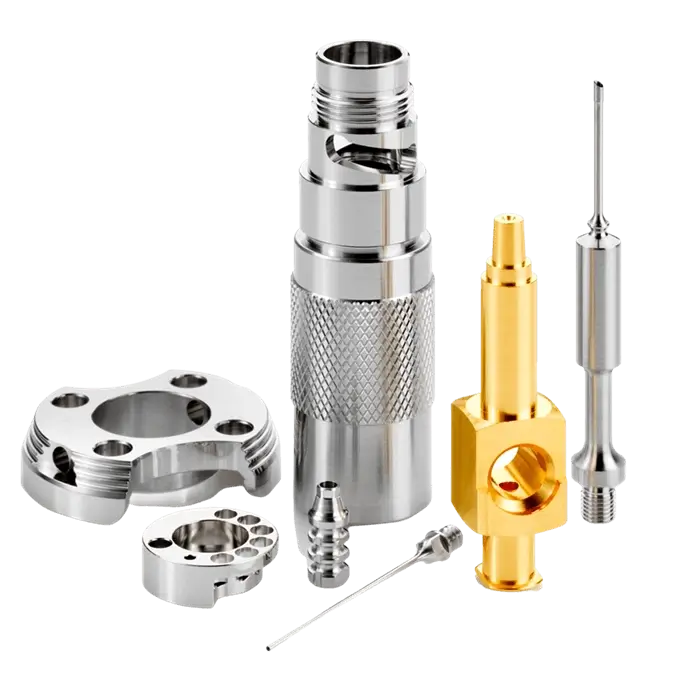
High-Quality CNC Turning Solutions
YXT combines practical engineering review, precision lathe machining, secondary operations, finishing, inspection, and delivery for international manufacturing projects.
A Reliable Route From Drawing to Finished Turned Part
We review the 3D model, drawing, material, quantity, surface finish, critical fits, threads, and inspection requirements before machining starts.
The manufacturing route is selected around part diameter, length-to-diameter ratio, feature access, concentricity, surface requirements, and planned quantity.
Industries: aerospace, medical, automotive, robotics, and industrial equipment
Materials: aluminum, stainless steel, brass, copper, titanium, and plastics
Production: prototypes, bridge quantities, and repeat manufacturing
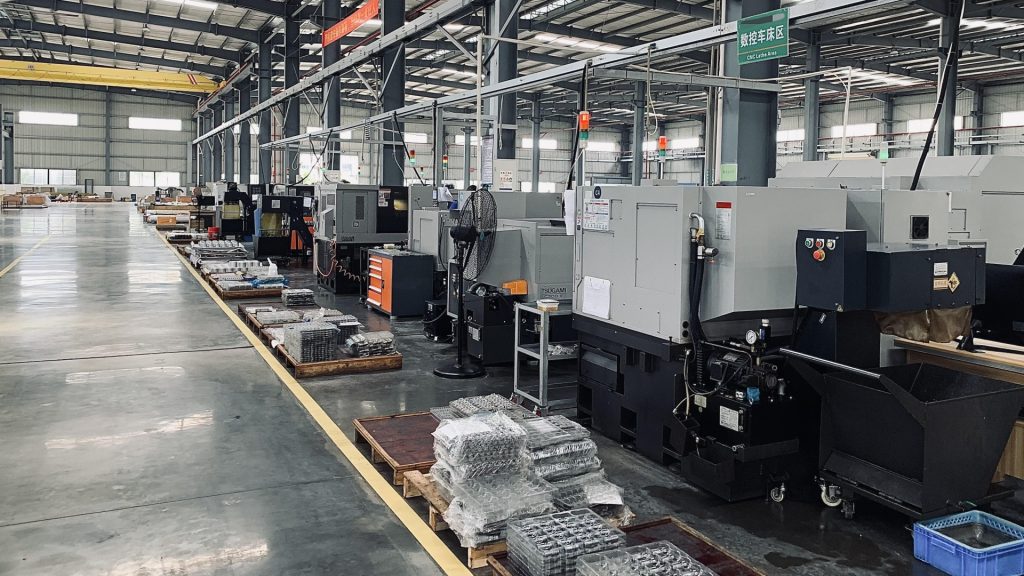
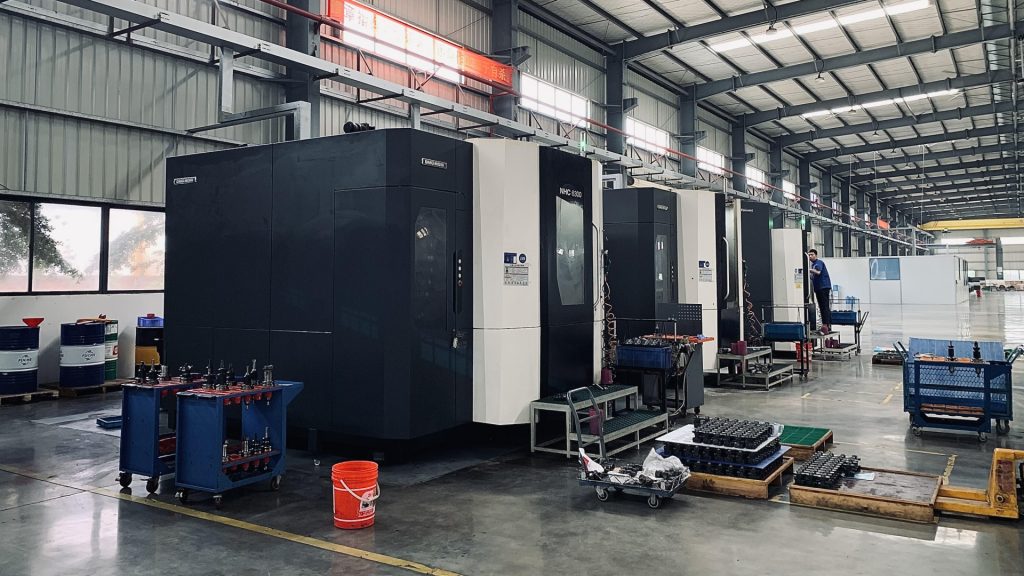
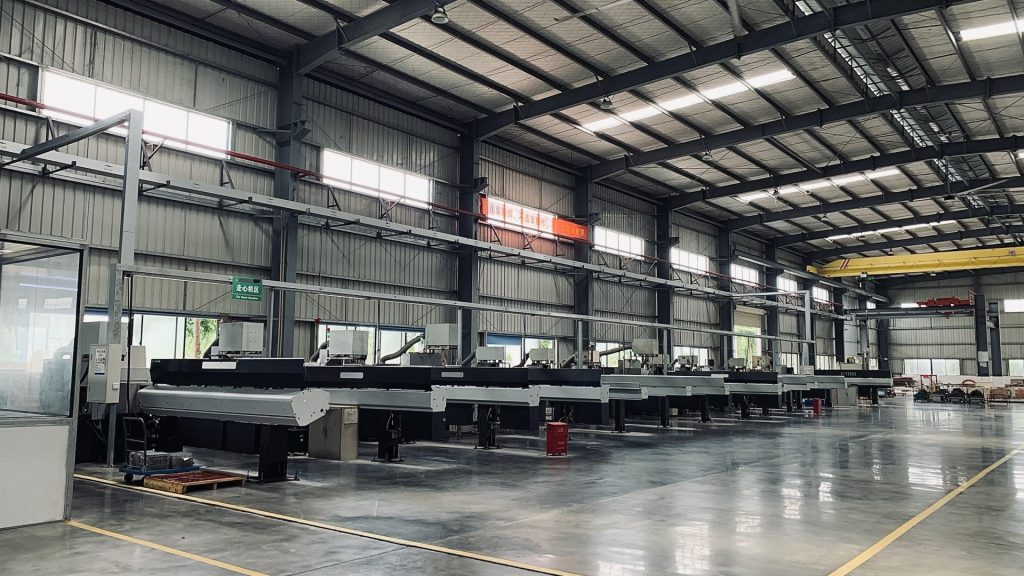
Our CNC Turning Capabilities
Capabilities cover straightforward cylindrical parts and complex components with milling, drilling, threading, grooving, and inspection requirements.
CNC Turning Technical Specifications
Planning values are confirmed after reviewing the complete drawing and model.
Advanced CNC Turning Technologies
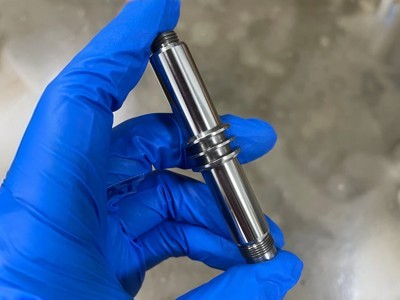
Live Tooling Lathes (Mill-Turn)
Turning and driven-tool operations can be combined in one setup to reduce re-clamping and improve feature relationships.
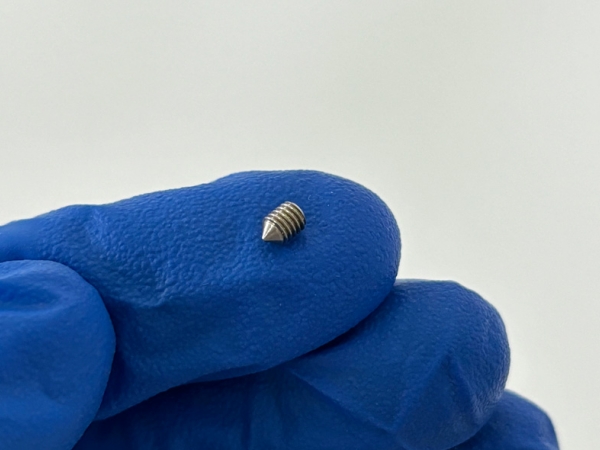
Swiss Screw Machining
Guide-bushing support suits small-diameter, slender, and high-precision components such as pins, connectors, and medical screws.
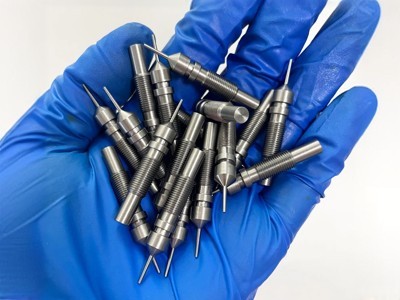
Multi-Axis CNC Turning
Multiple axes and secondary spindles support off-center holes, flats, slots, threads, and complex turned geometries.
CNC Turning Materials
Choose from production metals, engineering plastics, and technical ceramics. Stock form, grade, certification, and finish requirements are confirmed during quotation.
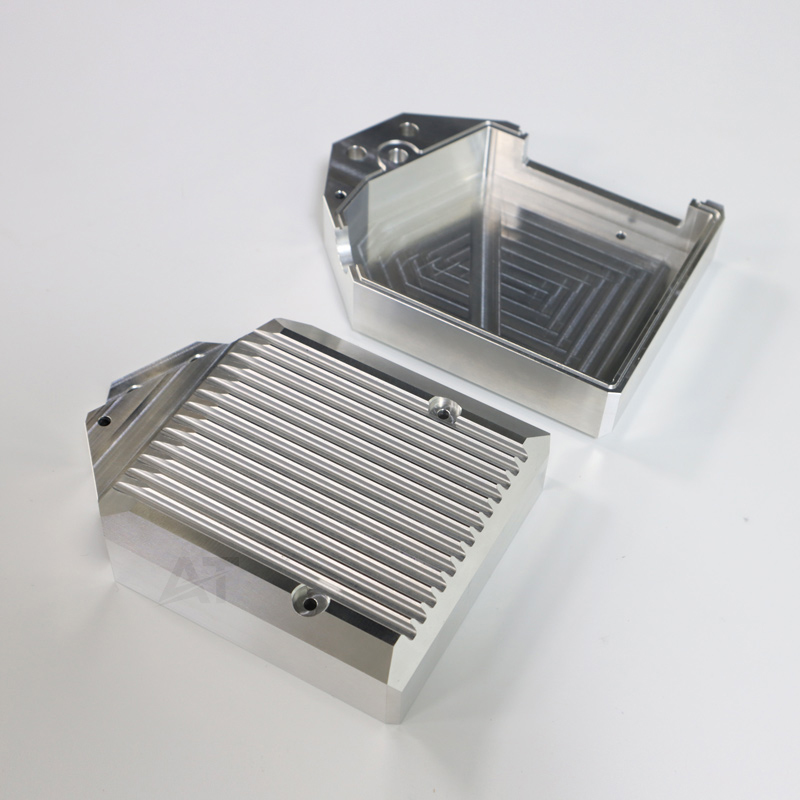
Aluminum
Lightweight and easy to machine for housings, fittings, spacers, and structural components.
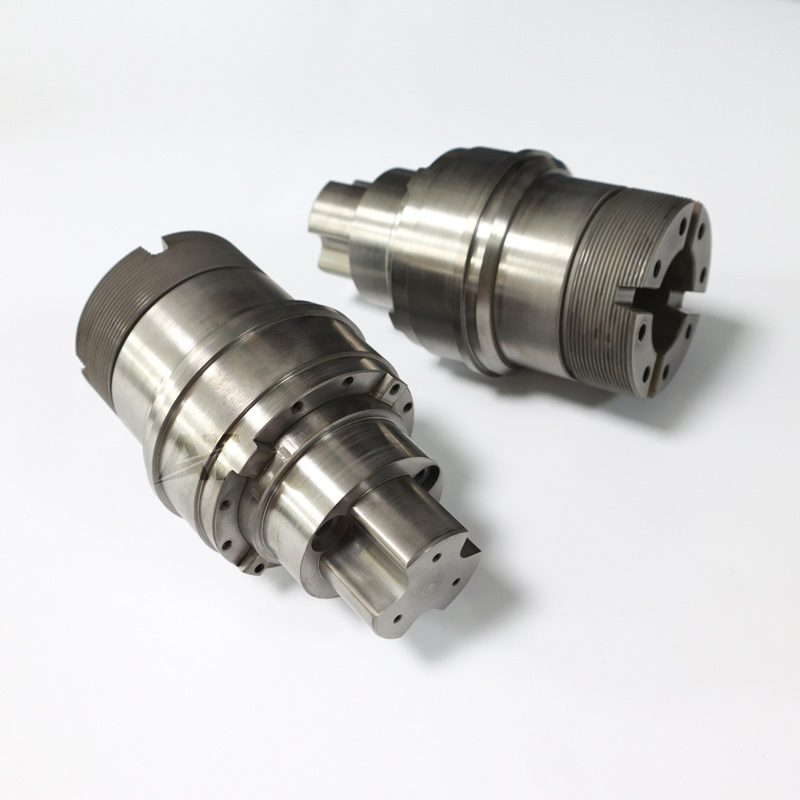
Stainless Steel
Corrosion-resistant grades for medical, marine, food, and industrial applications.
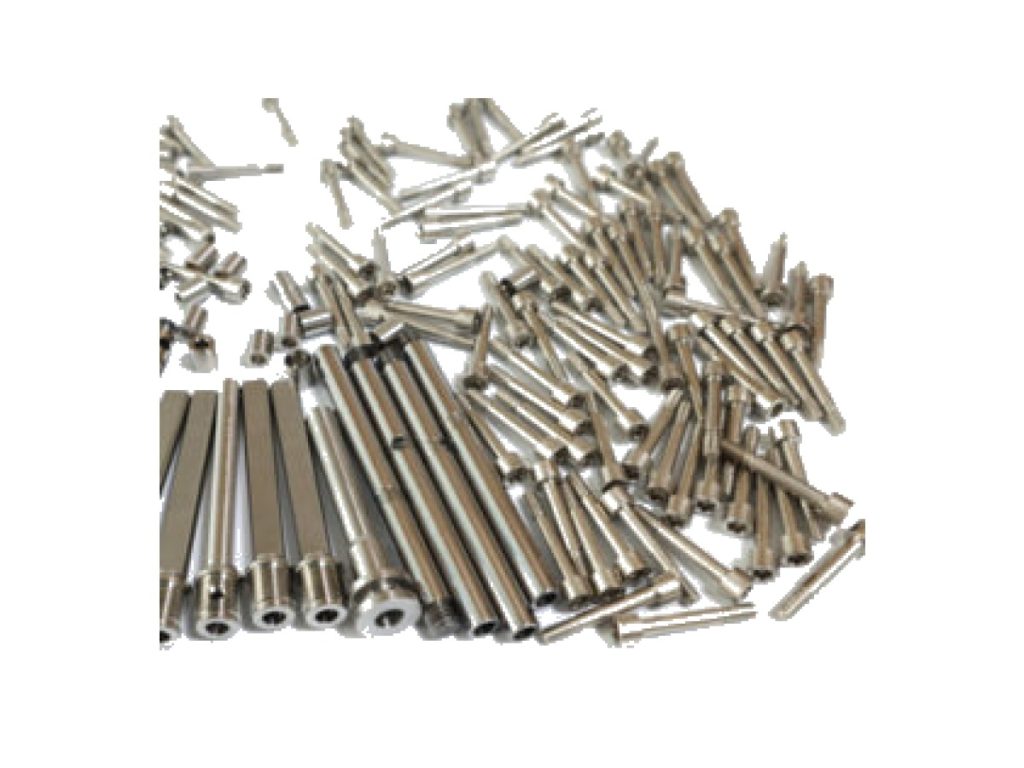
Carbon & Alloy Steel
Strong, wear-resistant choices for shafts, gears, sleeves, and demanding mechanical parts.
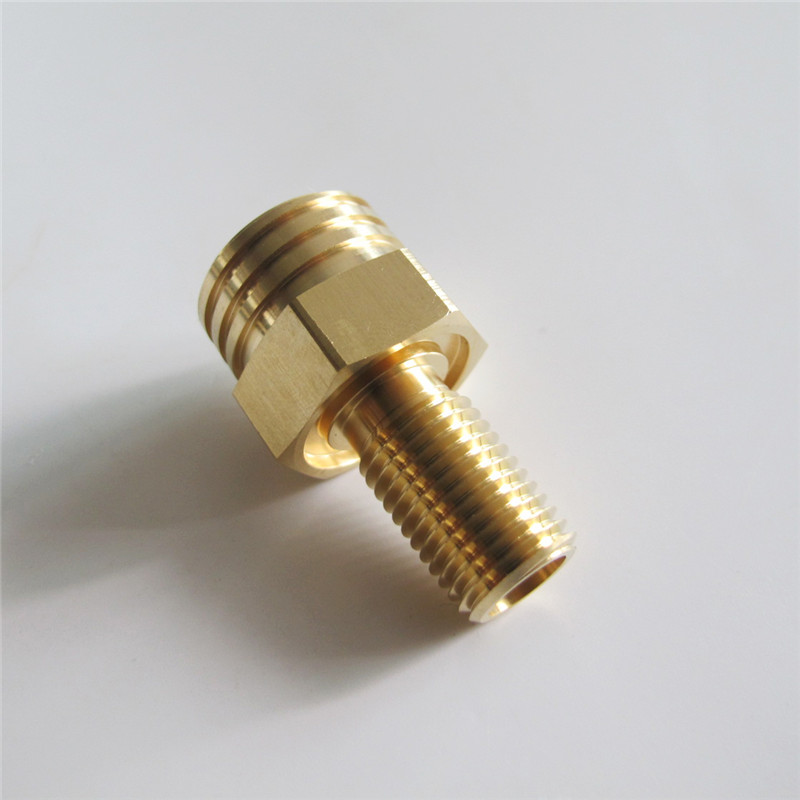
Brass
Fast machining with useful corrosion resistance for fittings, instruments, and electrical hardware.
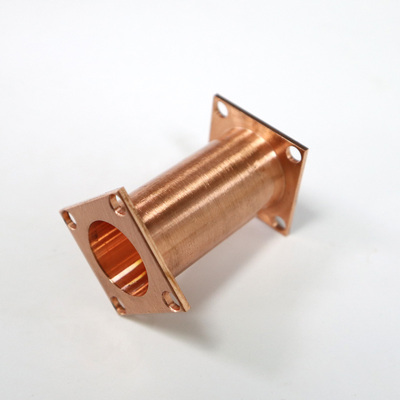
Copper
High thermal and electrical conductivity for contacts, heat-transfer parts, and electronics.
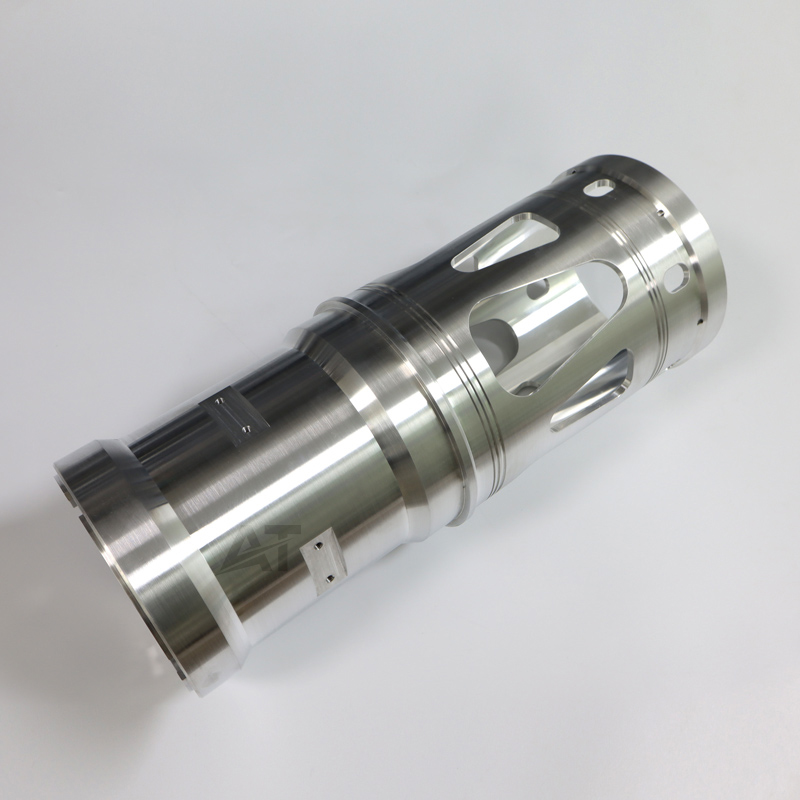
Titanium
High strength-to-weight ratio and corrosion resistance for aerospace and medical components.
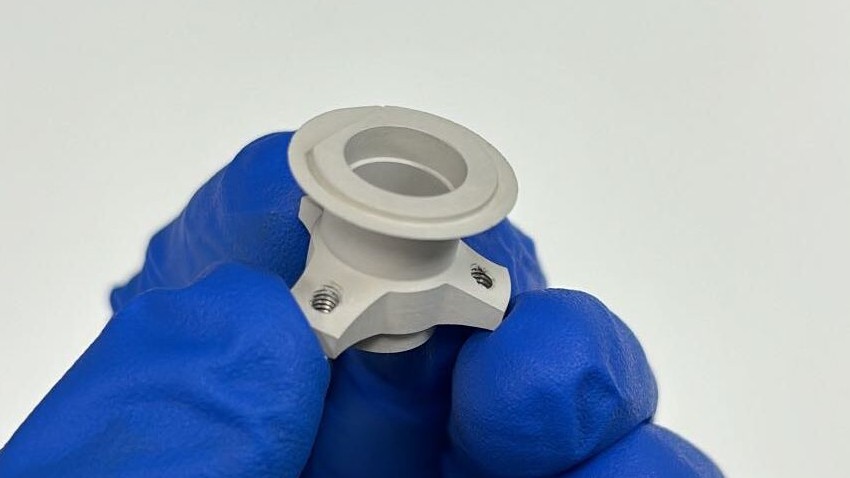
Magnesium
Very low density for weight-sensitive automotive, electronics, and aerospace parts.
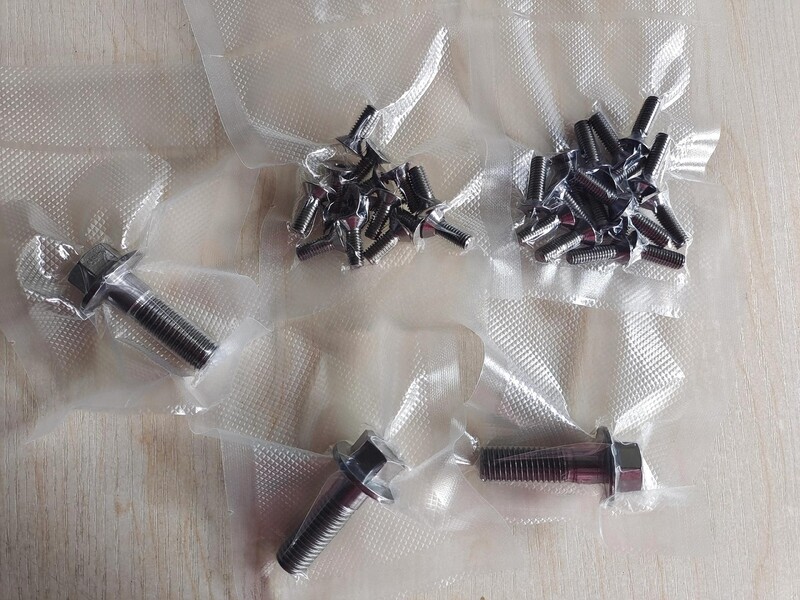
Molybdenum
Thermally stable refractory metal for high-temperature and specialist industrial applications.
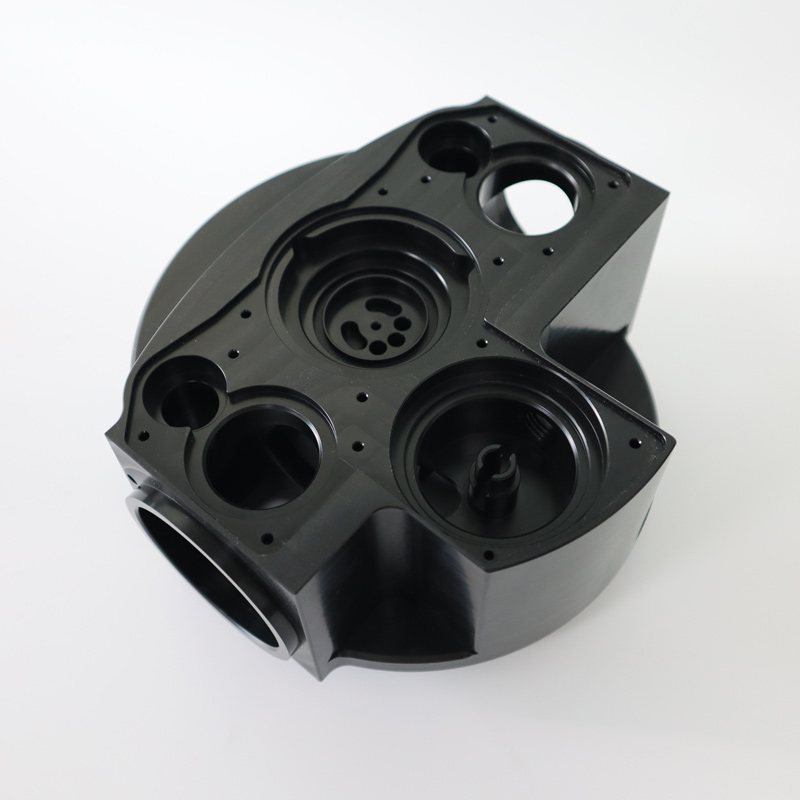
POM (Delrin)
Dimensionally stable, low-friction plastic for gears, bushings, rollers, and precision components.
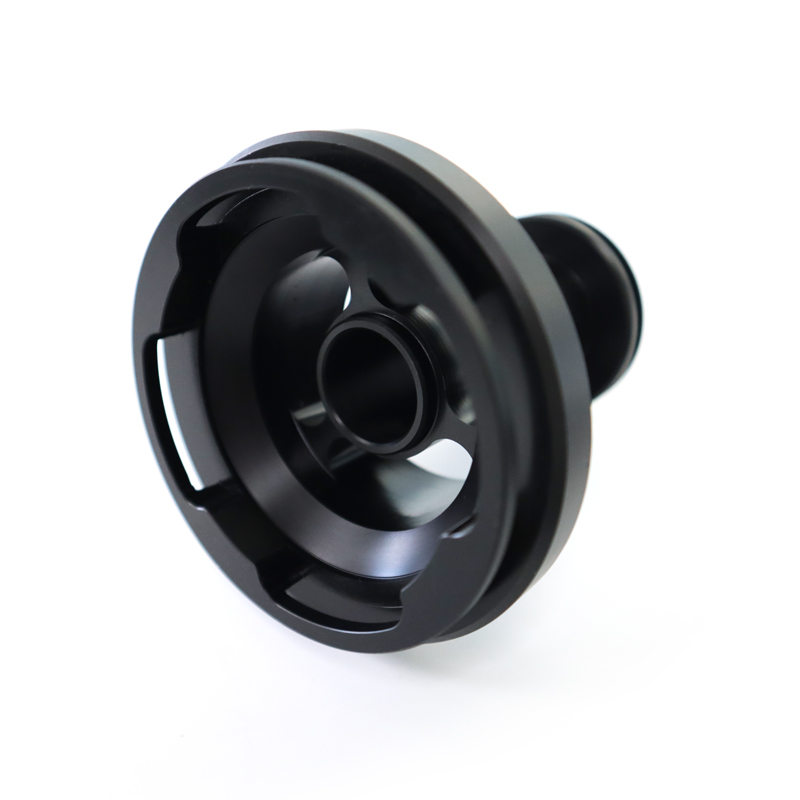
ABS
Impact-resistant and economical for prototypes, housings, and functional development parts.
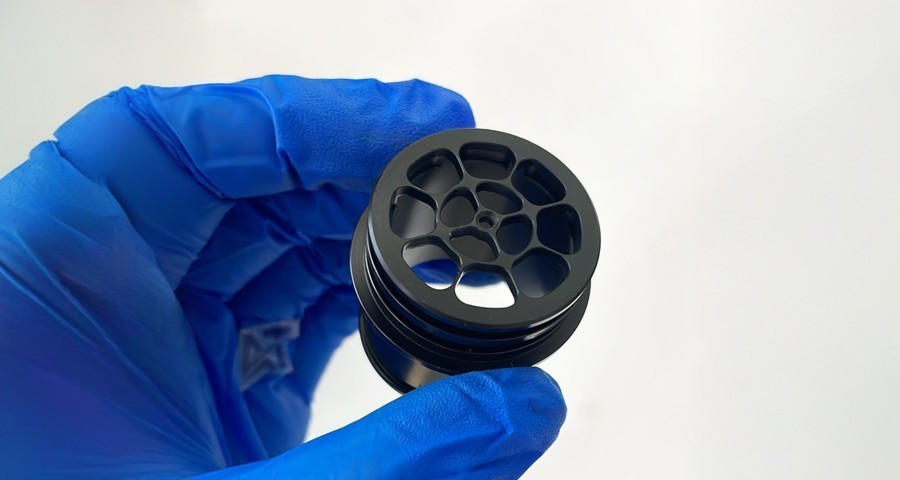
Nylon (PA6 / PA66)
Tough, wear-resistant material for rollers, mechanical parts, and noise-damping components.
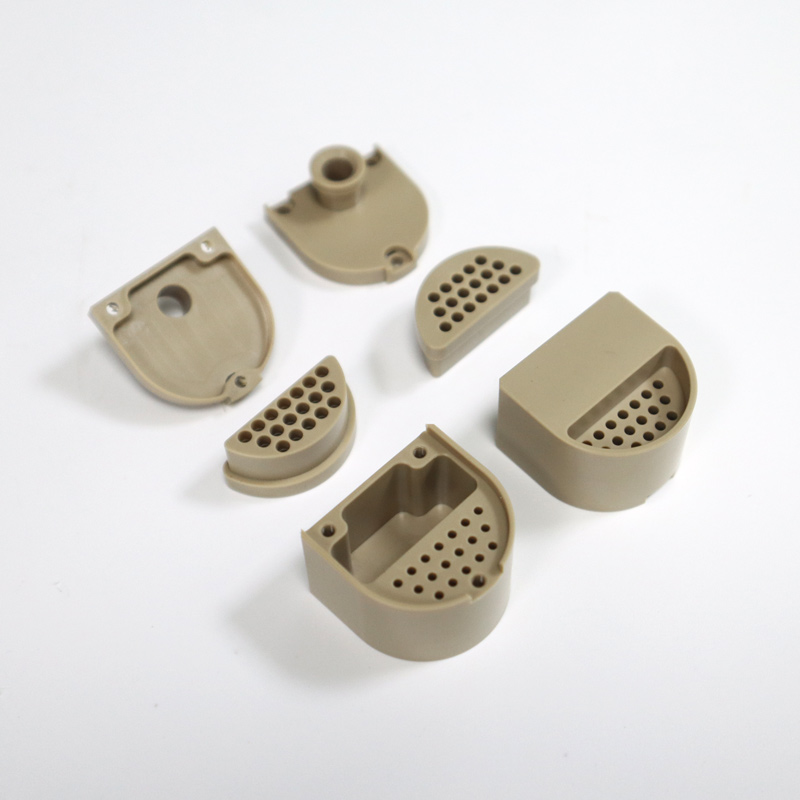
PEEK
High-temperature engineering plastic for demanding medical, aerospace, and chemical applications.
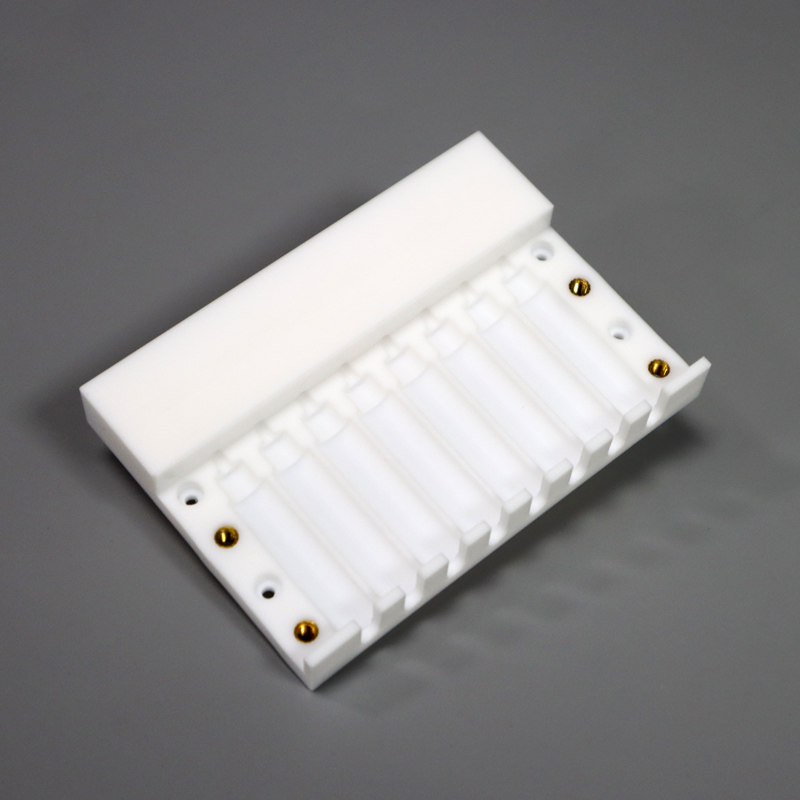
PTFE (Teflon)
Very low friction and chemical resistance for seals, insulators, and fluid-handling parts.
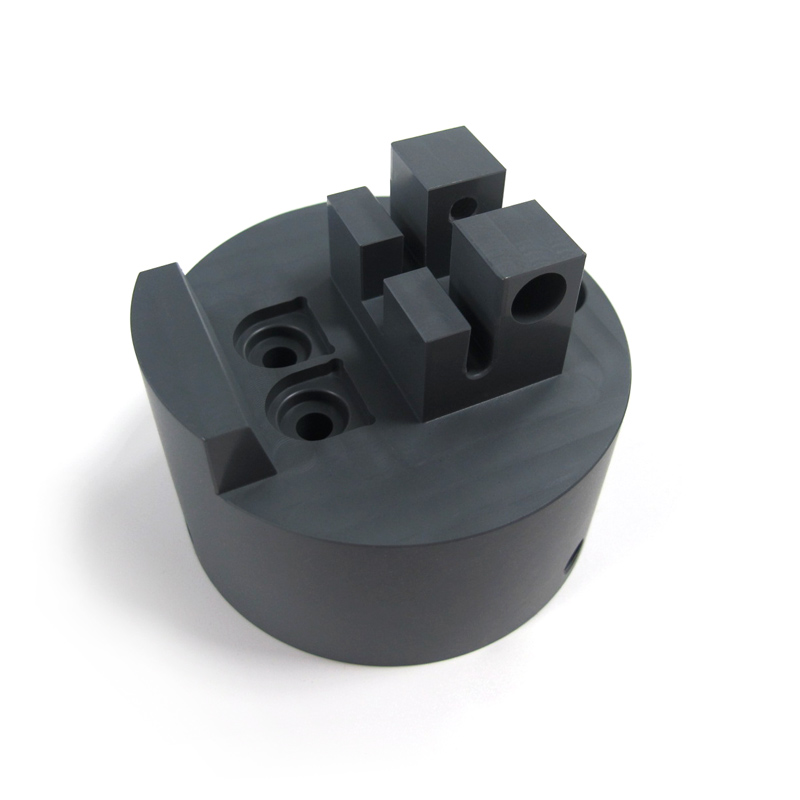
PVC / CPVC
Chemical and moisture resistance for valves, fluid-system components, and industrial fittings.
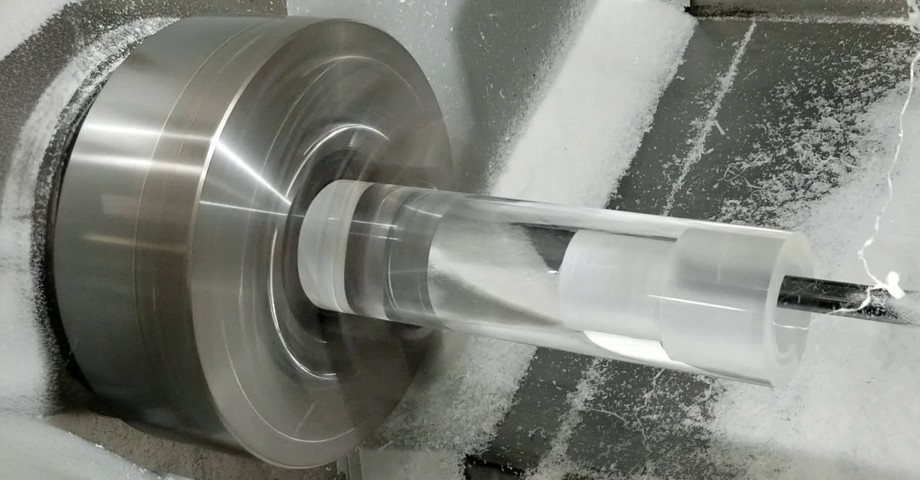
PMMA (Acrylic)
Optical clarity and weather resistance for transparent manifolds, lenses, and display parts.
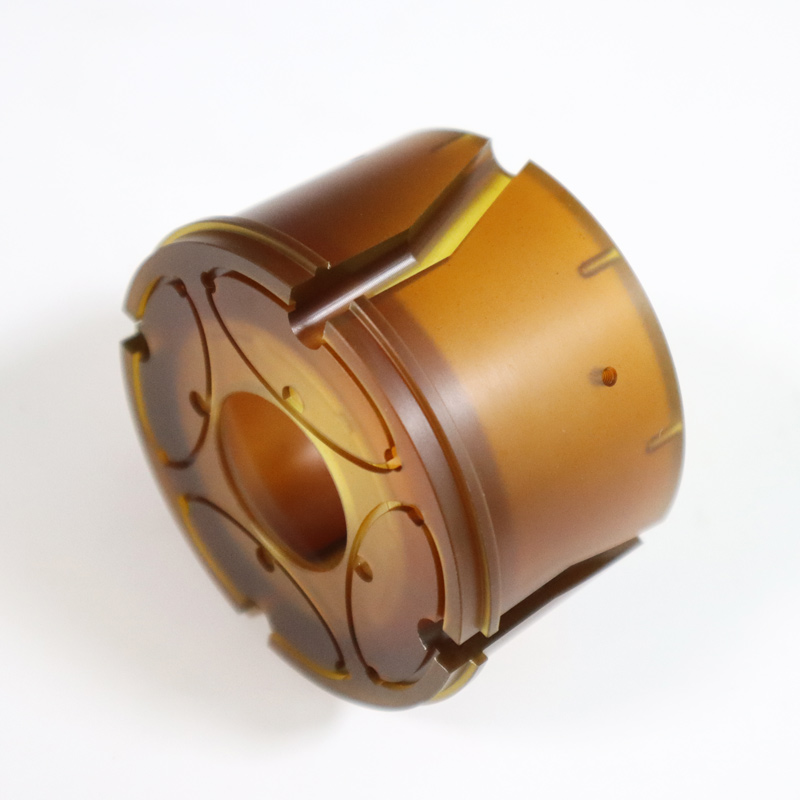
PEI (Ultem)
Rigid, heat-resistant material with useful dielectric properties for technical components.
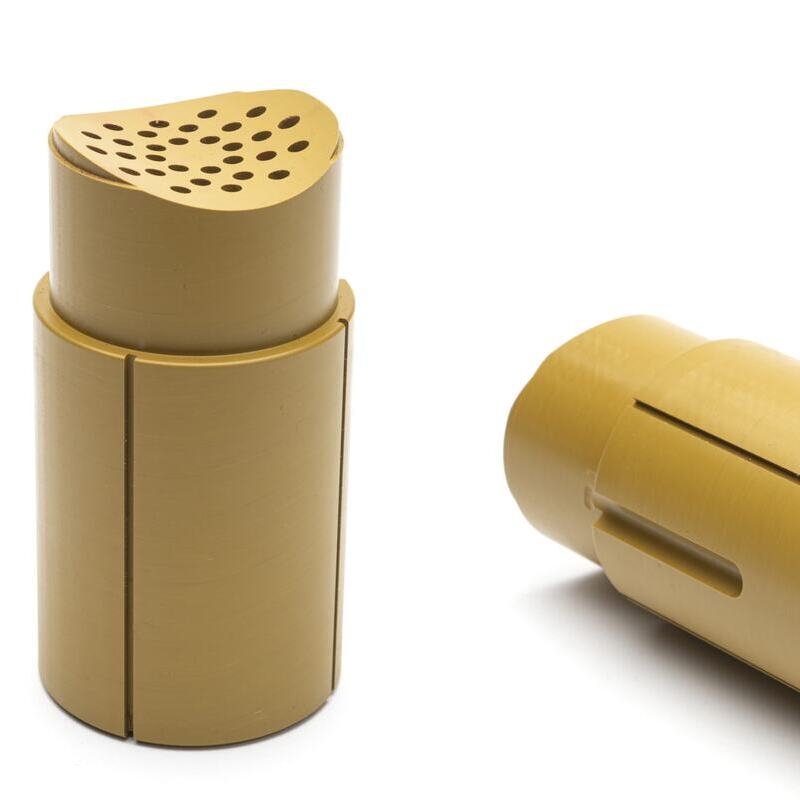
PAI (Torlon)
High strength and wear resistance at elevated temperatures for severe service.
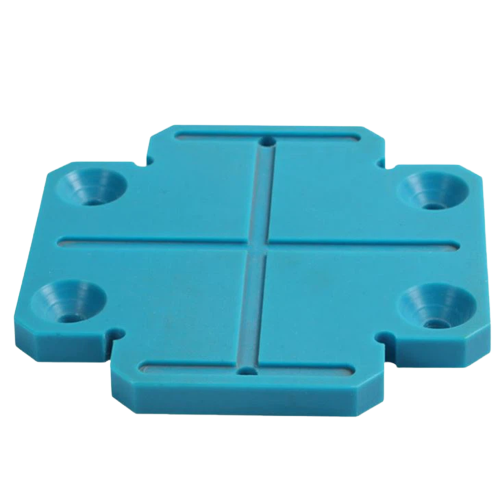
HDPE
Impact resistance and low moisture absorption for food, marine, and handling equipment.
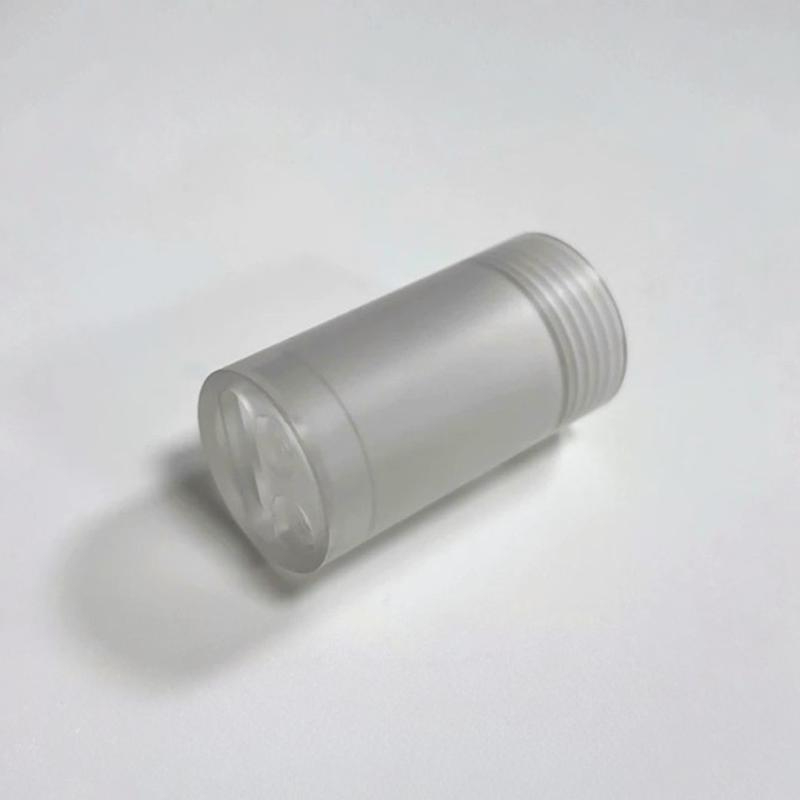
Polycarbonate (PC)
Exceptional toughness for guards, windows, housings, and structural plastic parts.
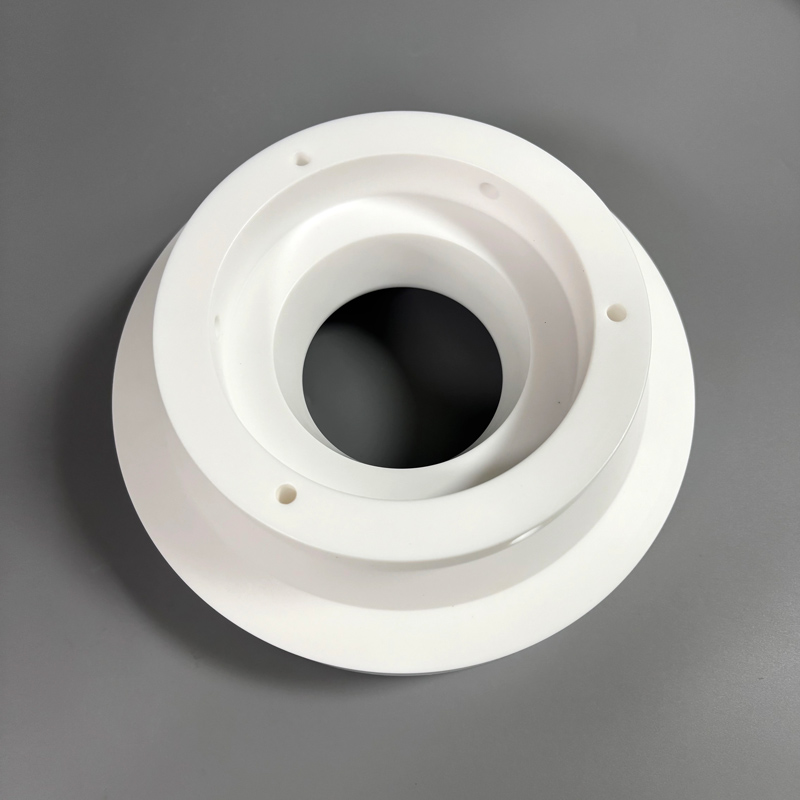
PET (Polyester)
Hard, stable engineering plastic for bushings and food-processing machinery components.
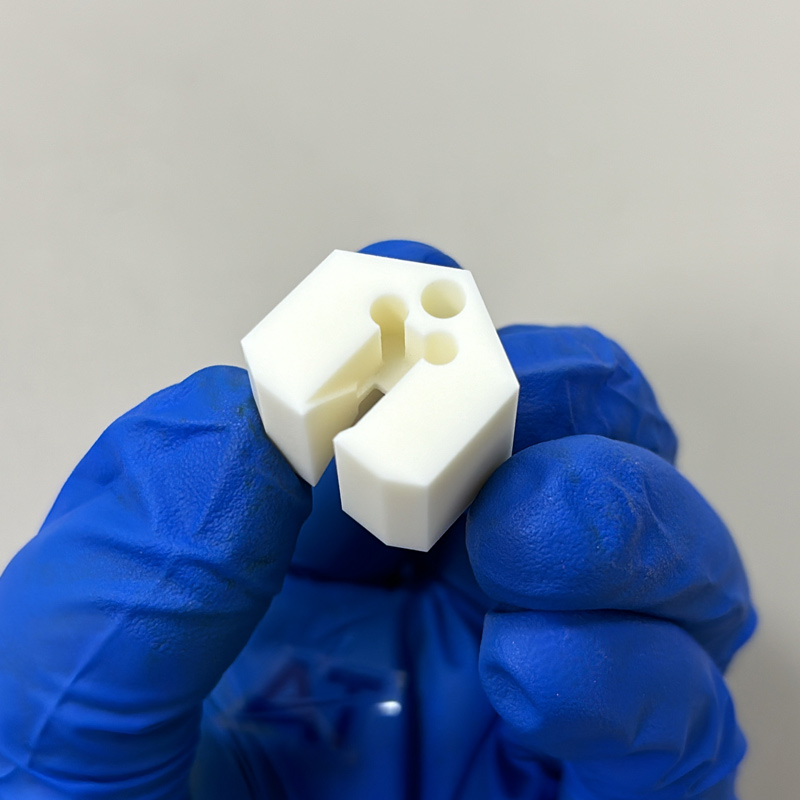
Alumina (Al2O3)
Hard, electrically insulating ceramic for electronics, wear parts, and semiconductor components.
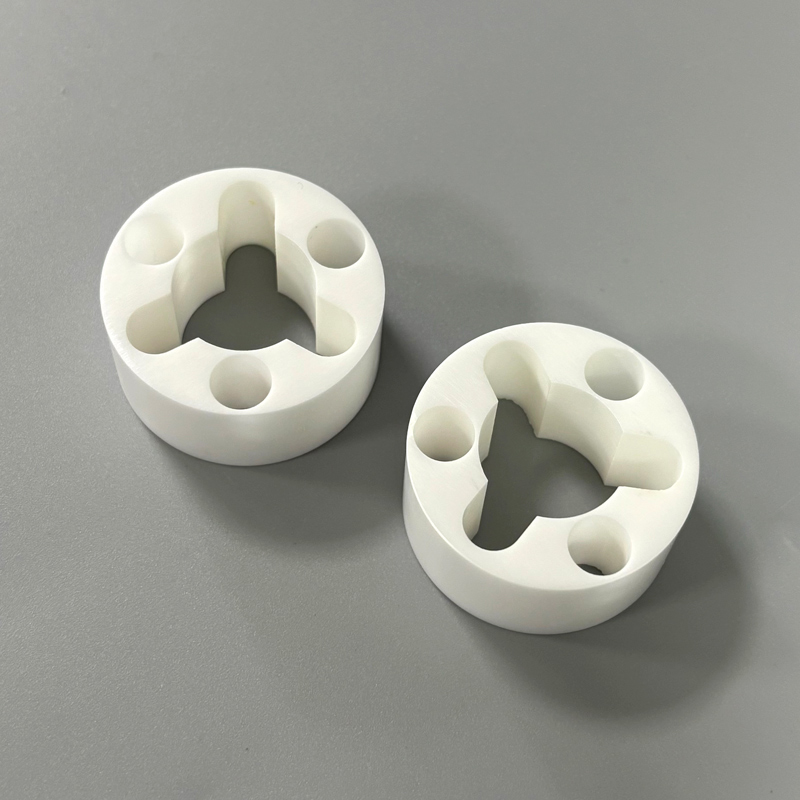
Zirconia (ZrO2)
Tough technical ceramic for pump components, wear applications, and medical parts.
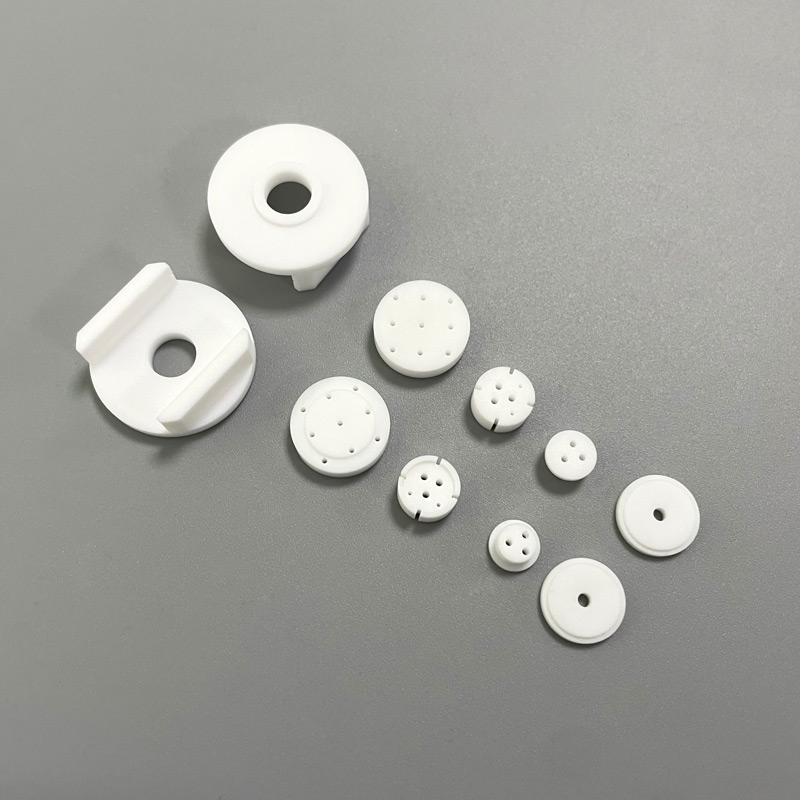
Macor
Machinable glass ceramic for complex insulating parts and specialist technical assemblies.
Material Selection Support
Share the operating environment, loads, temperature, wear, corrosion, appearance, and budget priorities. YXT can help compare practical material routes before quotation.
Surface Finishing Options for Turned Parts
Finishing can support appearance, corrosion resistance, wear, conductivity, identification, and assembly. Critical dimensions and masked areas remain controlled by the drawing.
As-Machined
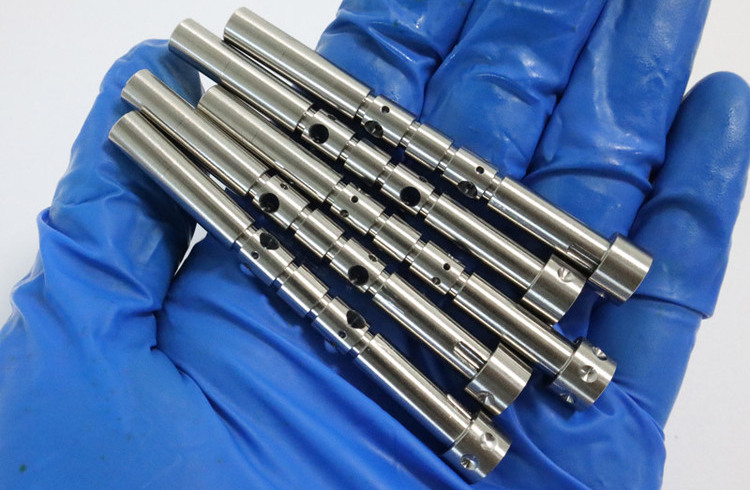
The standard surface directly from CNC turning retains controlled tool marks while preserving the quoted dimensional condition.
A practical choice for internal parts, prototypes, and functional components where appearance is secondary.
Bead Blasting
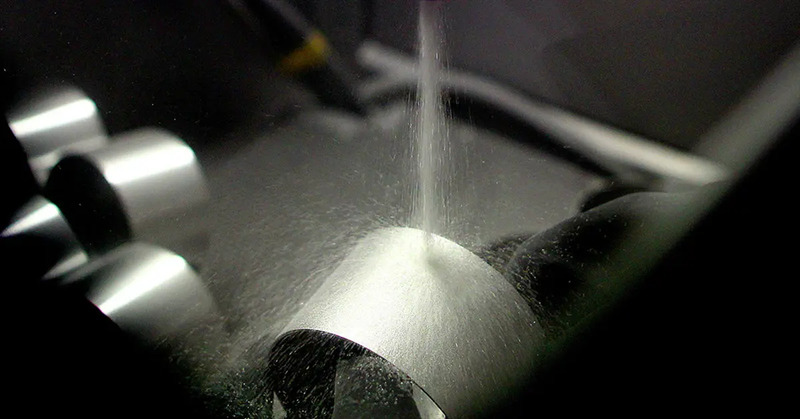
Fine media creates a more uniform matte texture and visually blends light machining marks on compatible parts.
Masking and dimensional allowances should be defined for critical threads, fits, and sealing surfaces.
Anodizing
Type II and hardcoat anodizing can improve corrosion resistance, wear behavior, and appearance on aluminum parts.
Color, thickness, masking, electrical contact, and dimensional effects should be stated on the drawing.
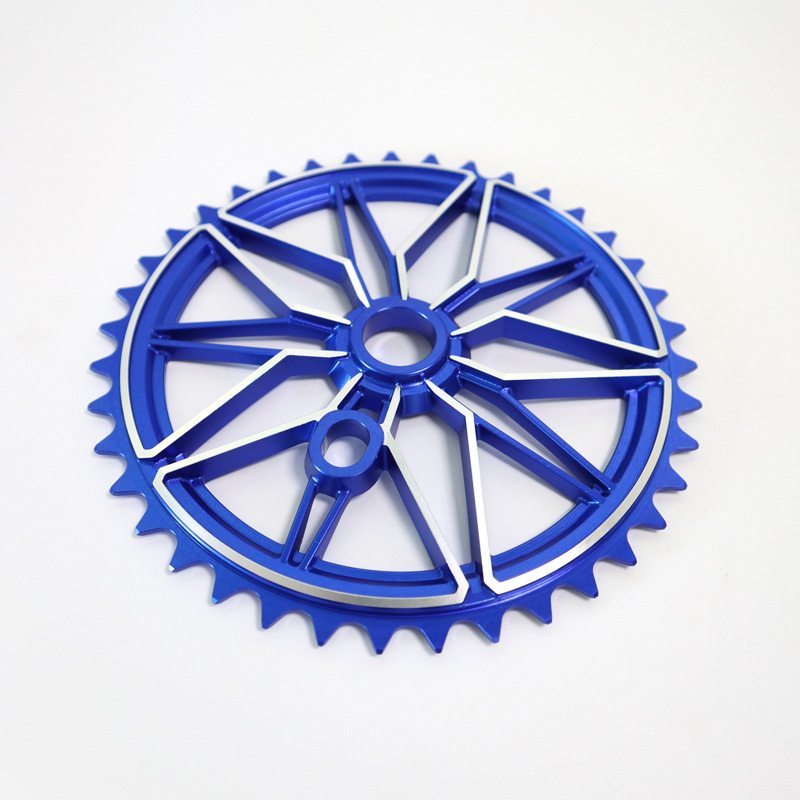
Passivation
Passivation removes free iron from stainless steel surfaces and helps restore corrosion resistance after machining.
The selected process and documentation level are confirmed around the grade and end-use environment.
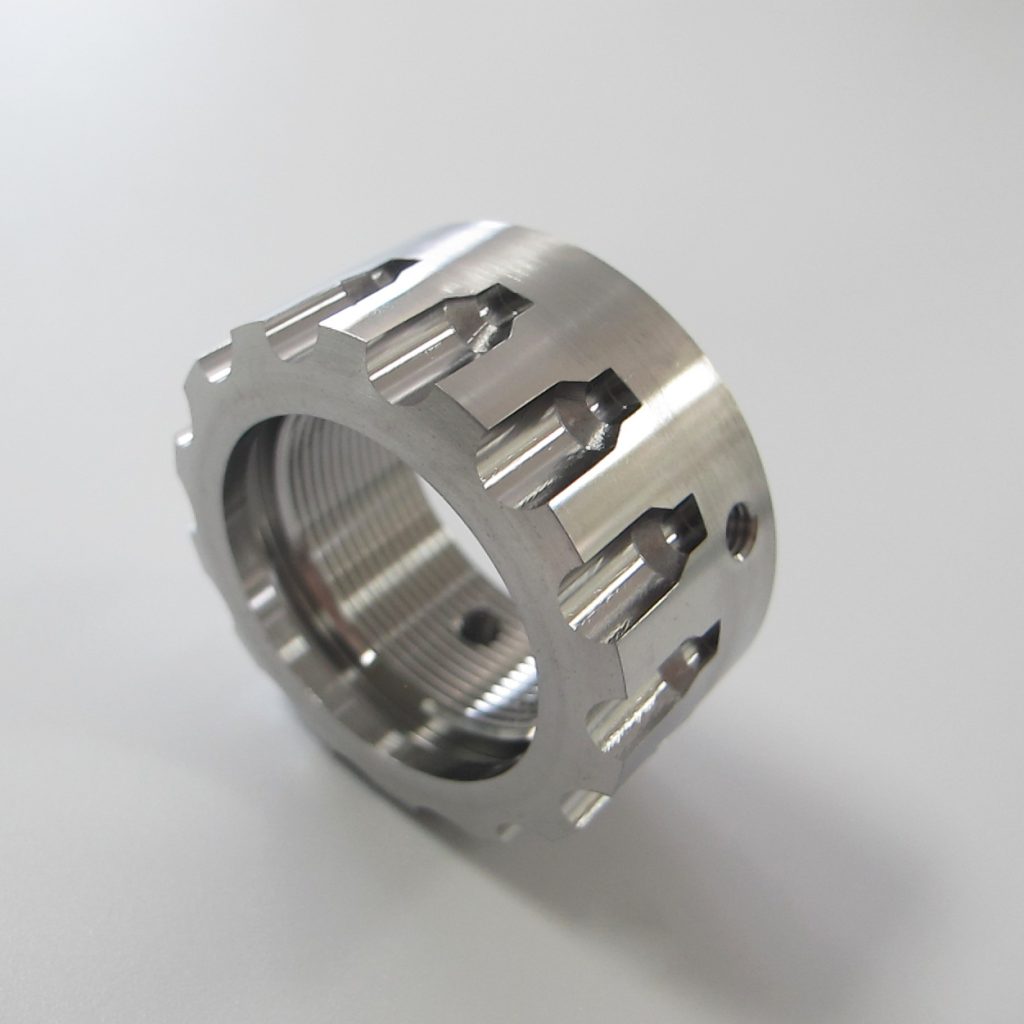
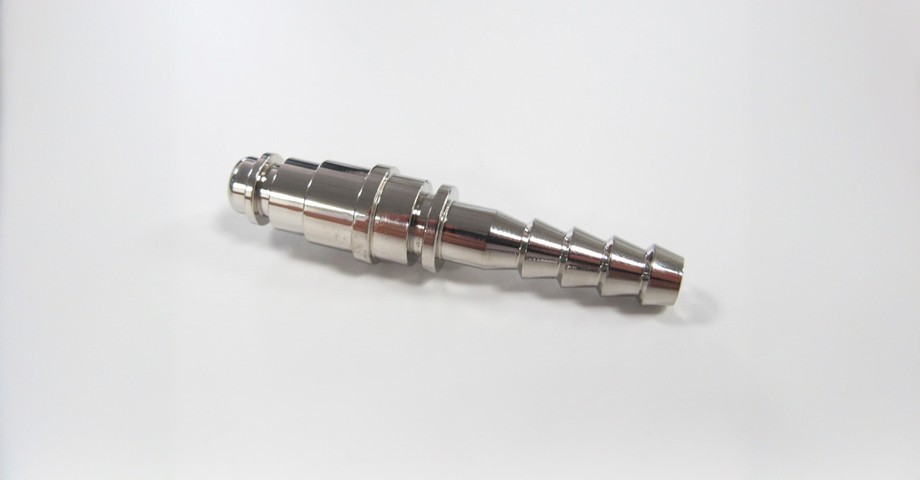
Electroplating
Nickel, zinc, chrome, and other plated finishes can add corrosion resistance, wear protection, appearance, or conductivity.
Coating thickness and masked areas must be coordinated with threads, fits, and critical dimensions.
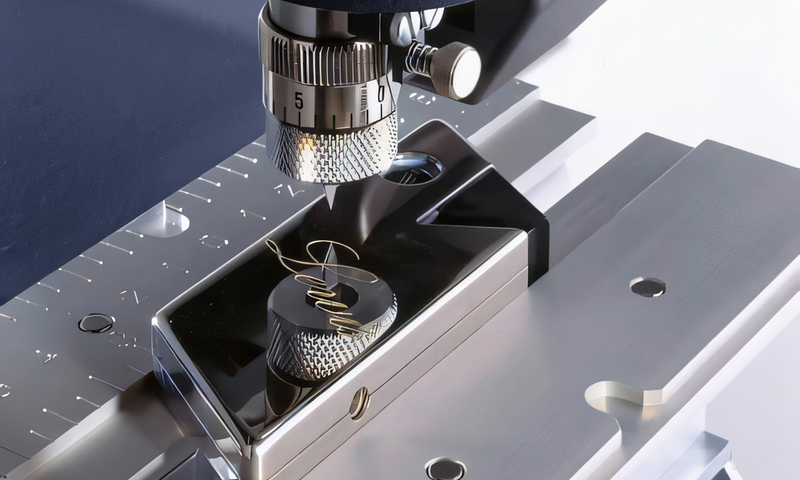
Laser Engraving
Permanent part numbers, serial numbers, logos, and traceability marks can be added after machining and finishing.
Marking artwork, position, contrast, size, and acceptable depth should be included with the project files.
Quality Assurance & Inspection Standards
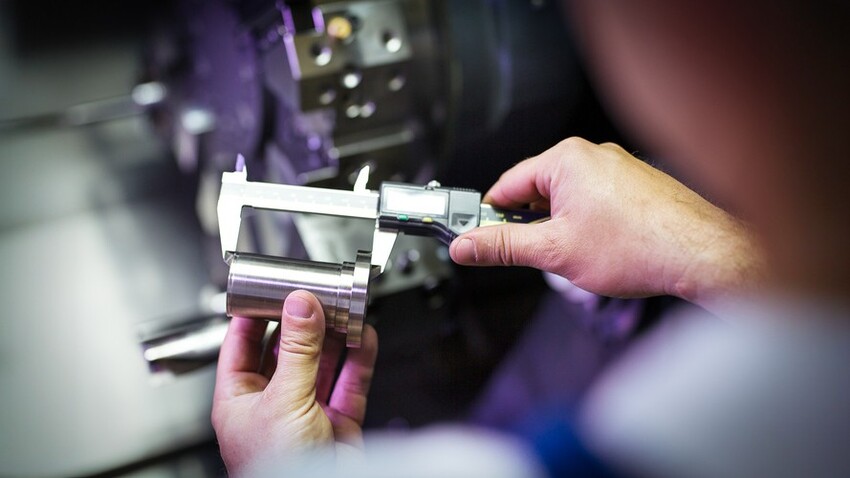
Quality is built into the manufacturing route through drawing review, controlled process checks, appropriate measuring equipment, and documented final release.
Quality Control Process
Material, setup, in-process checks, and final inspection are planned around the drawing and functional requirements.
Material and revision verification
Critical dimensions checked during machining
Final release inspection before packing
First Article & Dimensional Reports
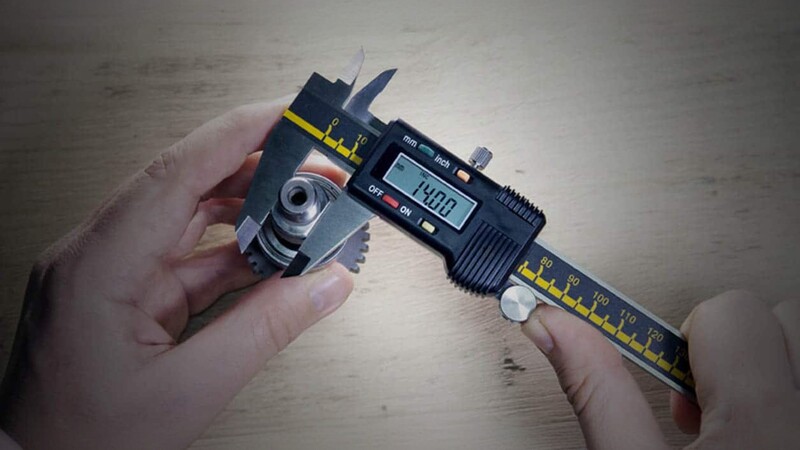
First-article and dimensional inspection records can be prepared when the reporting scope is agreed during quotation.
Critical dimensions tied to drawing callouts
Inspection method selected for each feature
Records retained for repeat projects
Traceability & Project Documentation
Material documents, finish certificates, and project-specific inspection files can be coordinated when requested.
Controlled drawing revision
Lot and process traceability by project
Clear release documentation
CNC Turning General Tolerances
The drawing remains the manufacturing authority. These values are practical quotation references and are confirmed against material, geometry, finish, quantity, and inspection method.
Tighter fits, runout, concentricity, thread, and surface requirements should be clearly identified with datums and inspection expectations.
CNC Turning Design Guidelines
A few deliberate design choices can improve stability, reduce setups, shorten cycle time, and keep inspection focused on the features that matter.
We Are Here to Solve Your Turning Challenges
Send the model, drawing, material, quantity, finish, and requested delivery date. We will review the process route and raise technical questions before production.
Gallery of CNC Turning and Lathe Parts
Examples of Swiss-turned and lathe-machined parts across stainless steel, alloy steel, aluminum, brass, and engineering plastics.
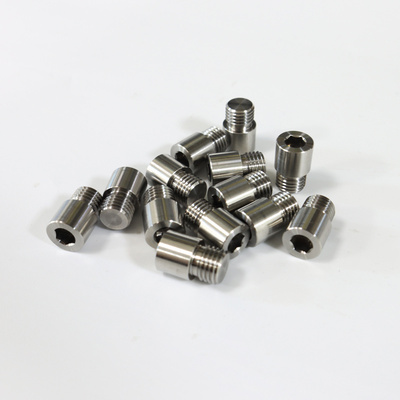 S303 Swiss Precision Part
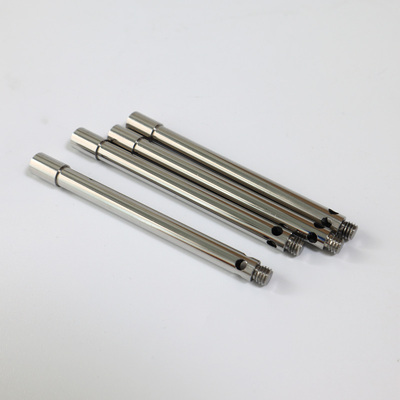 AISI303 Polished Swiss Part
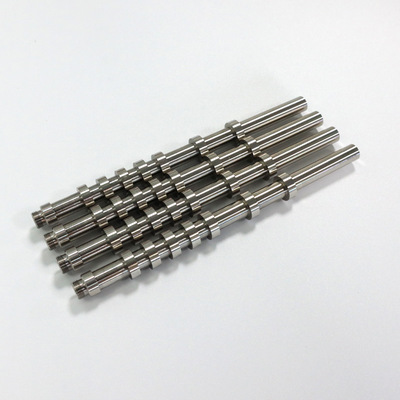 S316L Swiss Turned Part
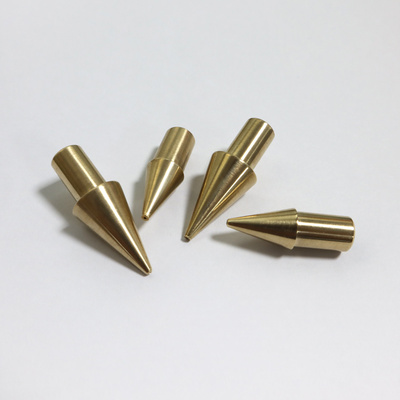 Brass Swiss Components
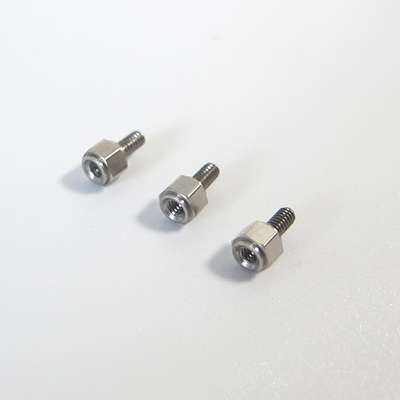 S304 Swiss Small Screws
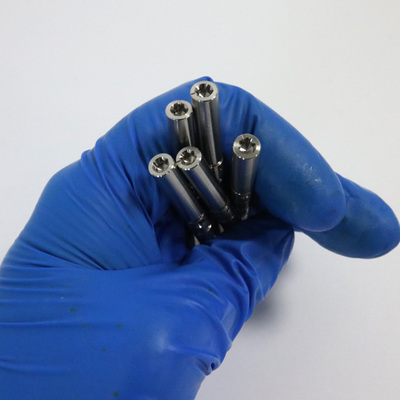 S304 Swiss Lathe Part
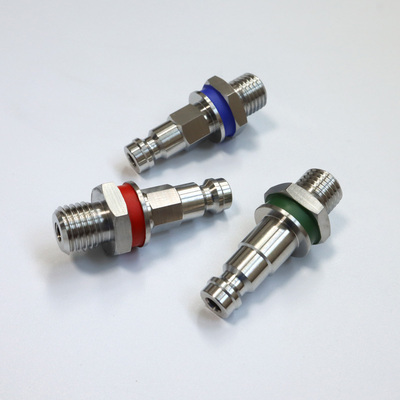 SS18-8 Painted Swiss Part
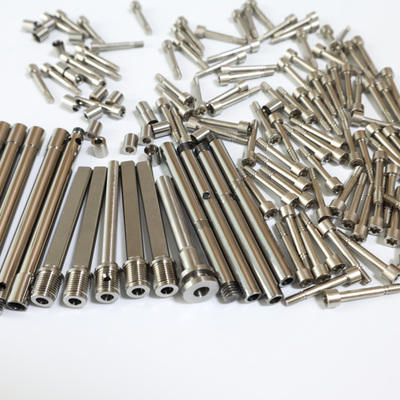 Precision Steel Swiss Part
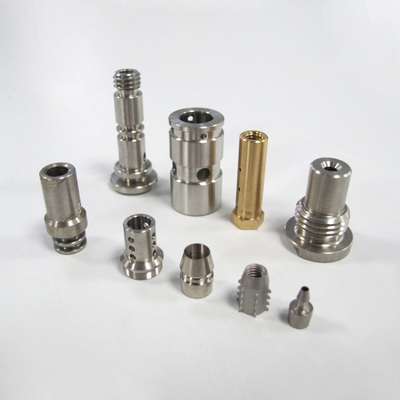 Small Swiss Machined Parts
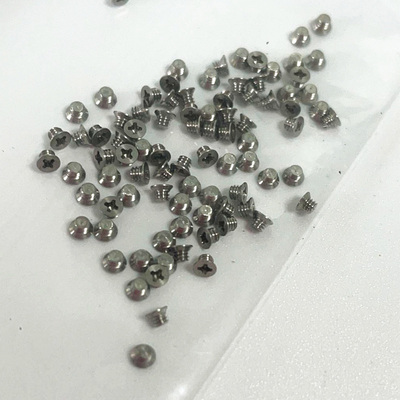 SS316 Medical Screw
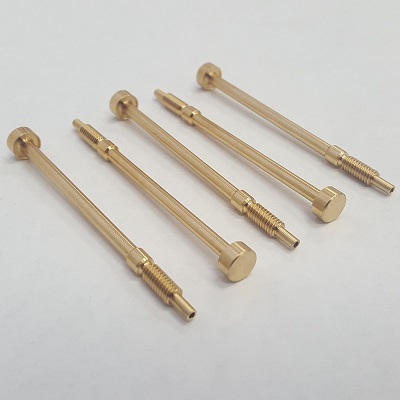 Brass Swiss Screw Part
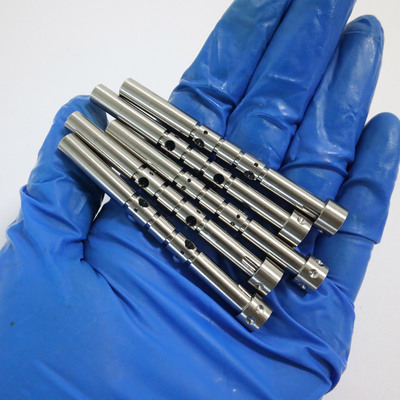 S304 Swiss Turned Part
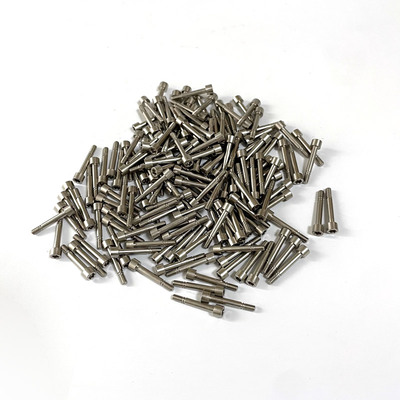 39NiCrMo3 Swiss Part
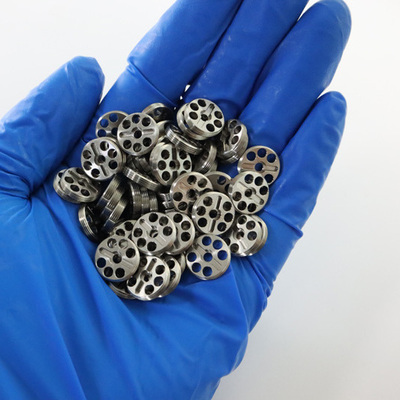 S304 Swiss Small Part
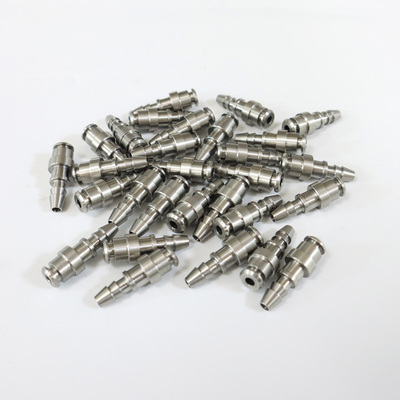 AISI303 Precision Part
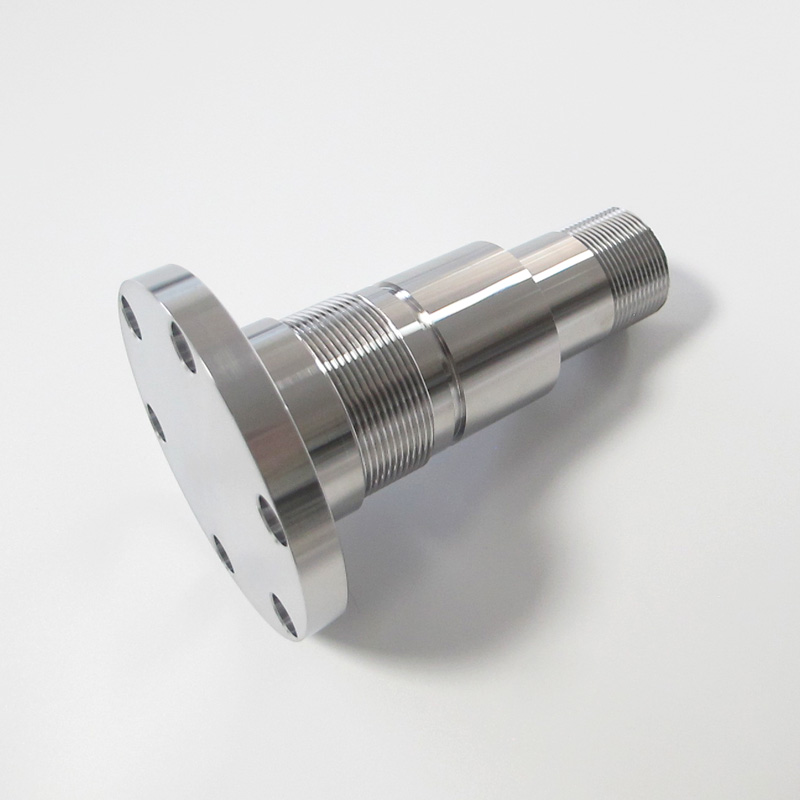 AL5083 Swiss Part
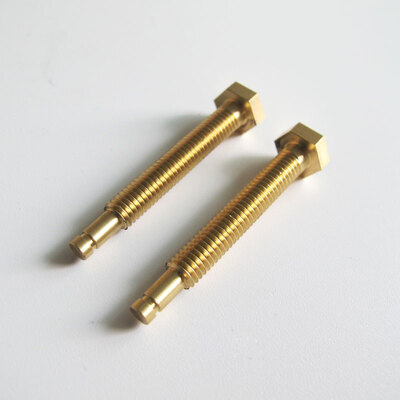 Brass Swiss Lathe PartS304 Swiss Screws
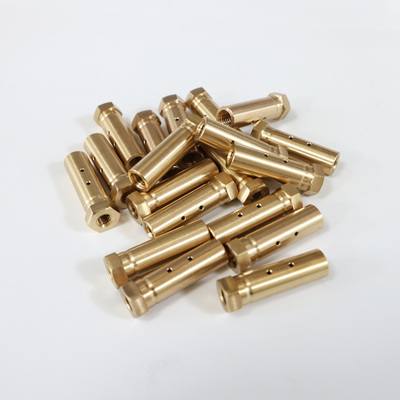 Brass Swiss CNC Part
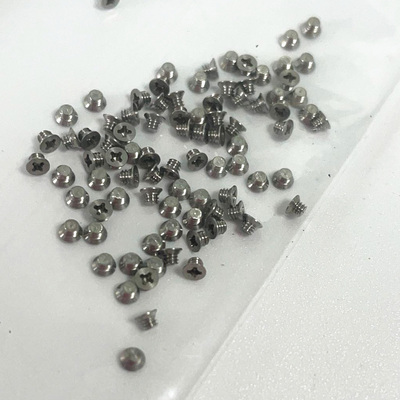 SS316 Swiss Medical Screw
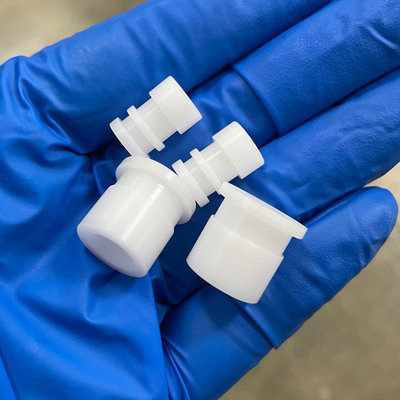 POM Swiss Turned Part
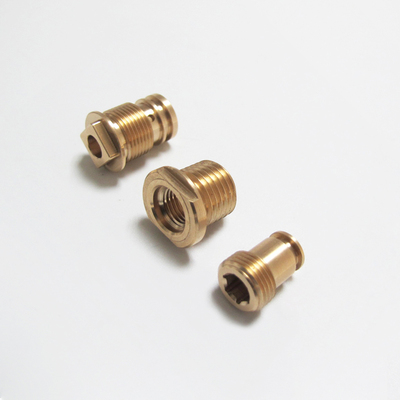 Brass Swiss Machined Part
Overview: What Is CNC Turning?
The Basics of CNC Lathes
CNC turning rotates bar stock or a prepared blank while a controlled cutting tool removes material. The process is especially efficient for cylindrical, threaded, tapered, grooved, and concentric features.
How CNC Turning Works
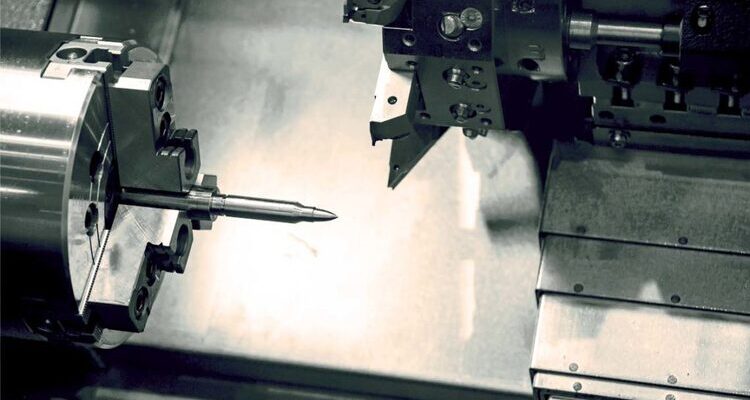
A programmed spindle rotates the workpiece while tools follow defined paths for facing, outside and inside diameter turning, grooving, drilling, boring, threading, and parting. Driven tools can add off-axis holes, flats, and slots.
Common CNC Lathe Types
Two-axis lathes suit straightforward rotational parts. Live-tool turning centers combine turning and milling. Swiss-type machines support small or slender stock close to the cutting zone for stability and repeatability.
Applications of CNC Turning
CNC turning supports precision rotational components across transportation, medical, aerospace, automation, electronics, and industrial equipment.
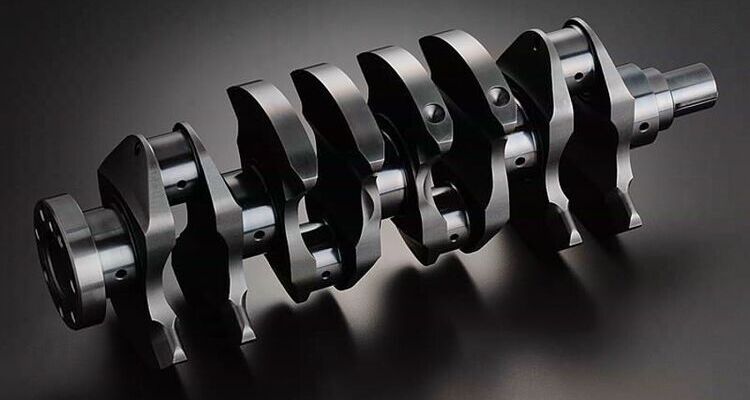
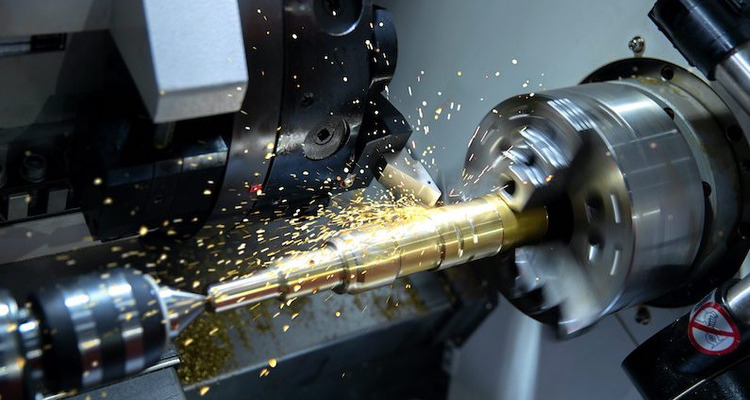
Automotive
Shafts, sleeves, fittings, valve components, fasteners, and other rotational automotive parts.
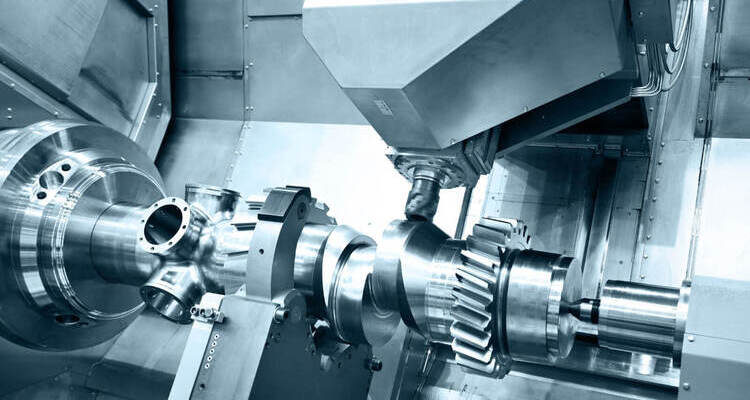
Rapid Prototyping
Fast manufacturing of functional cylindrical prototypes before fixtures and production routes are finalized.
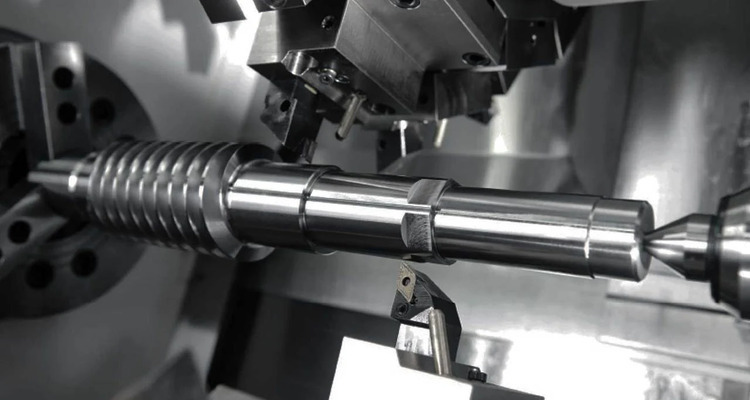
Aerospace
Precision bushings, hydraulic components, connectors, housings, and lightweight turned hardware.
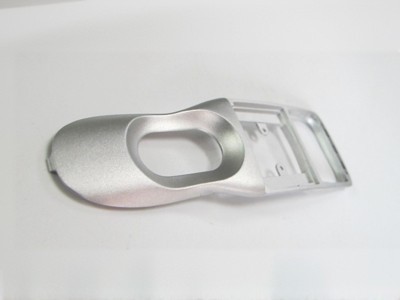
Industrial Machinery
Gears, couplings, rollers, spacers, threaded components, and machine replacement parts.
Medical Equipment
Small screws, instrument components, fittings, and other parts requiring controlled dimensions and documentation.
High-Reliability Equipment
Precision cylindrical components for projects with demanding materials, traceability, and inspection requirements.
CNC Turning FAQs
Understand the main process, capability, file, and production decisions before sending your CNC turning project for review.
What is the difference between CNC milling and CNC turning?
CNC milling normally moves a rotating cutting tool around a stationary or indexed workpiece. CNC turning rotates the workpiece while the cutting tool follows controlled paths. Turning is especially efficient for cylindrical and concentric parts; milling is better suited to prismatic shapes and complex surfaces.
Are CNC lathes and CNC turning centers the same?
A basic CNC lathe focuses on rotational operations such as facing, turning, boring, grooving, and threading. A turning center can add driven tools, extra axes, a sub-spindle, and milling operations so more features are completed in one setup.
What parts are suitable for CNC turning?
Typical parts include shafts, pins, bushings, sleeves, spacers, fittings, nozzles, rollers, threaded components, connectors, fasteners, and other parts built around a rotational axis.
What tolerances can YXT review for turned parts?
General capability depends on material, size, geometry, wall thickness, length-to-diameter ratio, finish, and inspection method. Selected precision features can be reviewed from +/- 0.005 mm when the drawing and measurement plan support it.
Can turned parts include milled features?
Yes. Live tooling and multi-axis turning centers can add flats, slots, cross holes, off-center holes, wrench features, and other secondary geometry without moving the part to a separate setup.
What files should I provide for quotation?
Provide a STEP, IGES, X_T, or similar 3D model together with a controlled 2D drawing. Include material and grade, quantity, finish, critical tolerances, inspection requirements, and requested delivery date.
Can YXT support both prototypes and production orders?
Yes. The process can be planned for one-off prototypes, bridge quantities, low-volume manufacturing, and repeat orders. Workholding, bar stock, inspection frequency, and documentation are scaled to the project.
Get Your CNC Turned Parts Into Production
Prepare your model, drawing, material, quantity, finish, and inspection requirements for a practical manufacturing review.