
Carburizing Heat Treatment Services
Coordinate machining, carbon diffusion, quenching, tempering and finish grinding to create a wear-resistant case while preserving a load-bearing core.

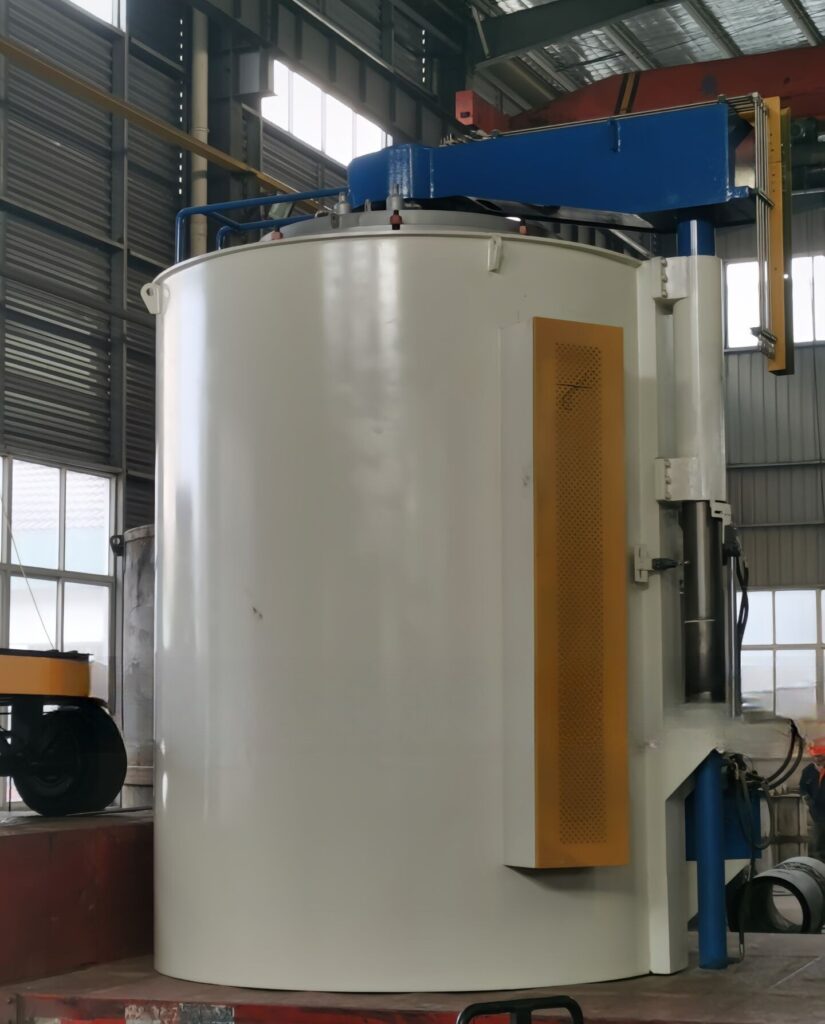
Carbon diffuses into an austenitized steel surface before quenching and tempering convert the enriched layer into a hard case.
How Carburizing Builds a Hard Case and Tough Core
Carburizing heats a suitable low-carbon or alloy steel in a carbon-rich atmosphere, commonly around 850-950°C. Carbon diffuses into the surface; subsequent quenching and tempering develop a hard wear layer while the lower-carbon core retains useful toughness. Material chemistry, time, carbon potential, geometry and quench route all affect the final result.
High Surface Hardness
The carbon-enriched case can be hardened to resist indentation and abrasive contact when the alloy and cycle are correctly matched.
Wear Resistance
A hardened case supports sliding, rolling and repeated-contact applications such as gears, cams, pins and splines.
Contact-Fatigue Support
The case-and-core structure is widely selected for components exposed to cyclic Hertzian contact and tooth loading.
Tough Load-Bearing Core
The lower-carbon interior can retain greater toughness than a part hardened uniformly through its full section.
Targeted Case Depth
Time, temperature, carbon potential and diffusion stages are planned around the effective case-depth requirement.
Machining Flexibility
Parts can be machined in a softer state, then carburized and finish-ground where final accuracy or surface integrity requires it.
Carburizing and Case-Hardening Routes
The correct route depends on steel grade, effective case depth, surface and core hardness, geometry, batch size, oxidation limits, distortion risk and any required finish grinding.
Gas Carburizing
Typical cycle range 870-950°CA carbon-bearing furnace atmosphere is controlled through heat, carbon potential and diffusion time to build the specified case.
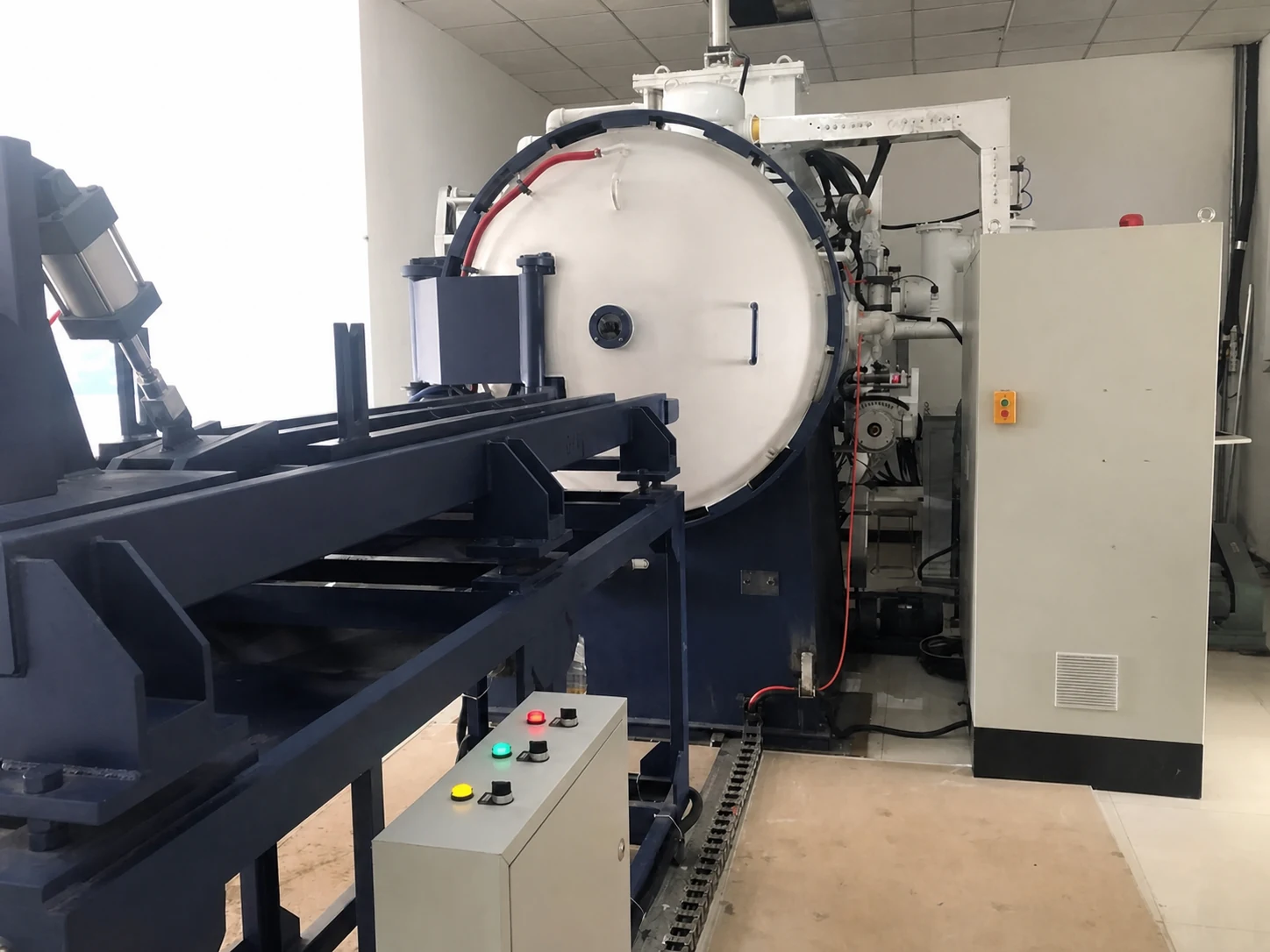
Low-Pressure Carburizing
Boost and diffusion cycles by specificationLow-pressure carburizing introduces carbon-rich gas under vacuum and is considered when clean surfaces, repeatability or reduced intergranular oxidation matter.

Pack Carburizing
Long-cycle batch routeParts are packed with a carbonaceous medium in a sealed container. The route can be practical for selected work but offers less direct atmosphere control.
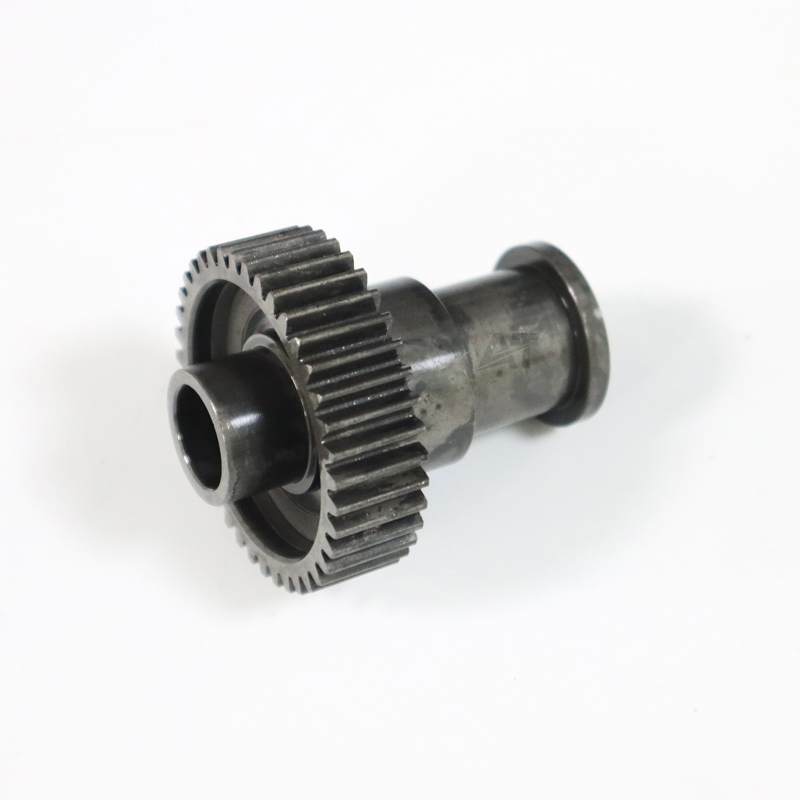
Carbonitriding
Usually a shallower hardened caseCarbonitriding adds nitrogen with carbon and is evaluated as a related case-hardening route for smaller parts and specific low-alloy steels.
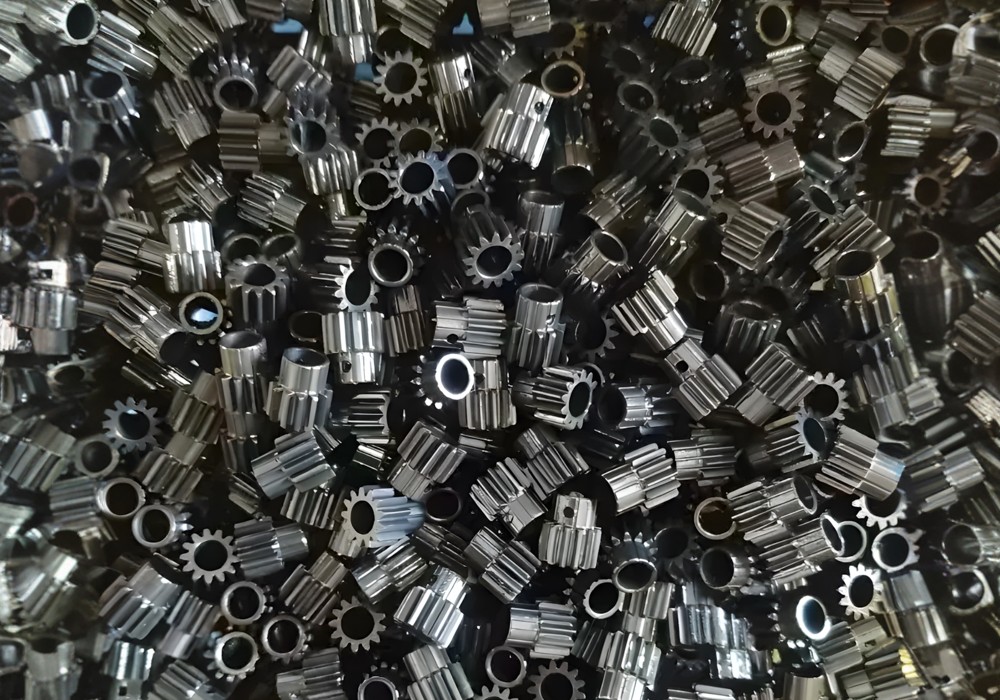
Direct Quench Route
Integrated carburize, quench and temperDirect quenching after diffusion can shorten the route, provided grain condition, distortion and the required case/core properties are acceptable.
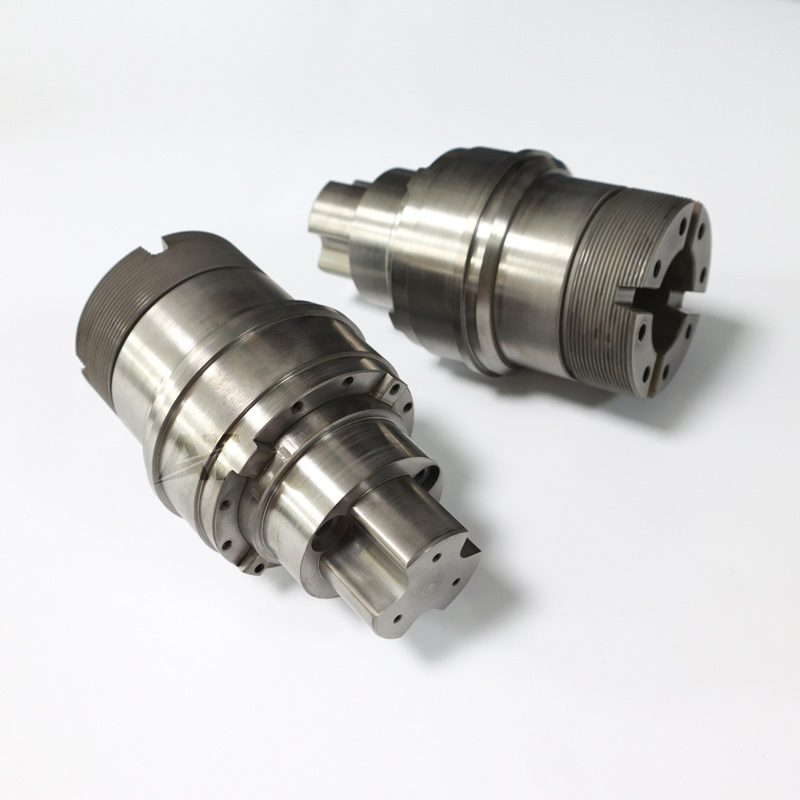
Reheat Hardening Route
Separate reheat, quench and temperA reheating step may be selected where a refined hardening cycle is needed after carburizing. The exact sequence is established from material and drawing requirements.
Temperature, case depth and hardness values shown here are planning references, not automatic guarantees. Final process, effective case depth, surface hardness, core hardness, microstructure, quench route and inspection method depend on the steel grade, section size, geometry and drawing specification.
Plan Case Depth, Distortion and Finish Machining Early
Carburizing exposes the part to high temperature followed by quenching, so dimensional growth and distortion must be expected and managed. Define datums, stock allowance, protected areas and post-treatment finishing before machining is released.
Request a QuoteSteel Grade and Starting Condition
Specify the full grade, material standard, prior heat condition and any limits on grain size, cleanliness or decarburization.
Effective Case Depth
State the effective or total case depth, measurement method and allowed range at the correct drawing location.
Surface and Core Hardness
Define the required surface hardness, core hardness and test locations instead of relying on a generic heat-treatment note.
Distortion, Datums and Allowance
Identify critical runout, tooth geometry, bores, journals and datums; leave practical stock for grinding or honing where final accuracy demands it.
Stop-Off and Protected Areas
Mark threads, weld zones, soft machining areas and surfaces that must remain low carbon so copper plating or stop-off methods can be evaluated.
Post-Treatment Finishing
Plan grinding, lapping, shot blasting, straightening or deburring after heat treatment without removing the required effective case.
Common Steels Considered for Carburizing
Carburizing response depends on the exact chemistry, hardenability, cleanliness, prior condition and section size. These grades are planning references; use the grade and standard stated on your drawing.
The Exact Material Standard Is Part of the Process
Send the complete material designation, governing standard, mill certificate requirements and starting condition. Similar grade names are not treated as automatic equivalents because chemistry and hardenability can change case depth, core properties and distortion.
Carburized Parts and Process Gallery
Representative gears, splined components, turned parts and heat-treatment equipment. Replace or reorder every image directly in the native Bricks carousel.
From Engineering Review to Final Inspection
Reliable carburizing starts with the drawing. Material, effective case depth, hardness, protected areas, quench route, distortion allowance and inspection must be planned as one controlled sequence.
Material chemistry, carbon potential, diffusion time and quench severity determine case depth, hardness and dimensional response.
Engineering Review
Confirm steel grade, drawing revision, effective case depth, surface and core hardness, quantity, geometry and acceptance method.
Route and Stop-Off Planning
Select the carburizing and quench route, identify protected surfaces and define machining or grinding allowance.
Pre-Cleaning and Loading
Remove oils and contamination, prepare stop-off areas and load parts to support atmosphere access and distortion control.
Carburizing and Diffusion
Control temperature, carbon potential and boost/diffusion time to develop the required carbon profile and case depth.
Quenching
Cool at the specified severity to form the hardened case while managing cracking, retained austenite and dimensional movement.
Tempering and Stabilization
Temper at the approved condition to balance hardness, residual stress and service performance.
Finish Machining and Inspection
Straighten or grind where planned, then verify hardness, effective case depth, dimensions, microstructure and other drawing requirements.
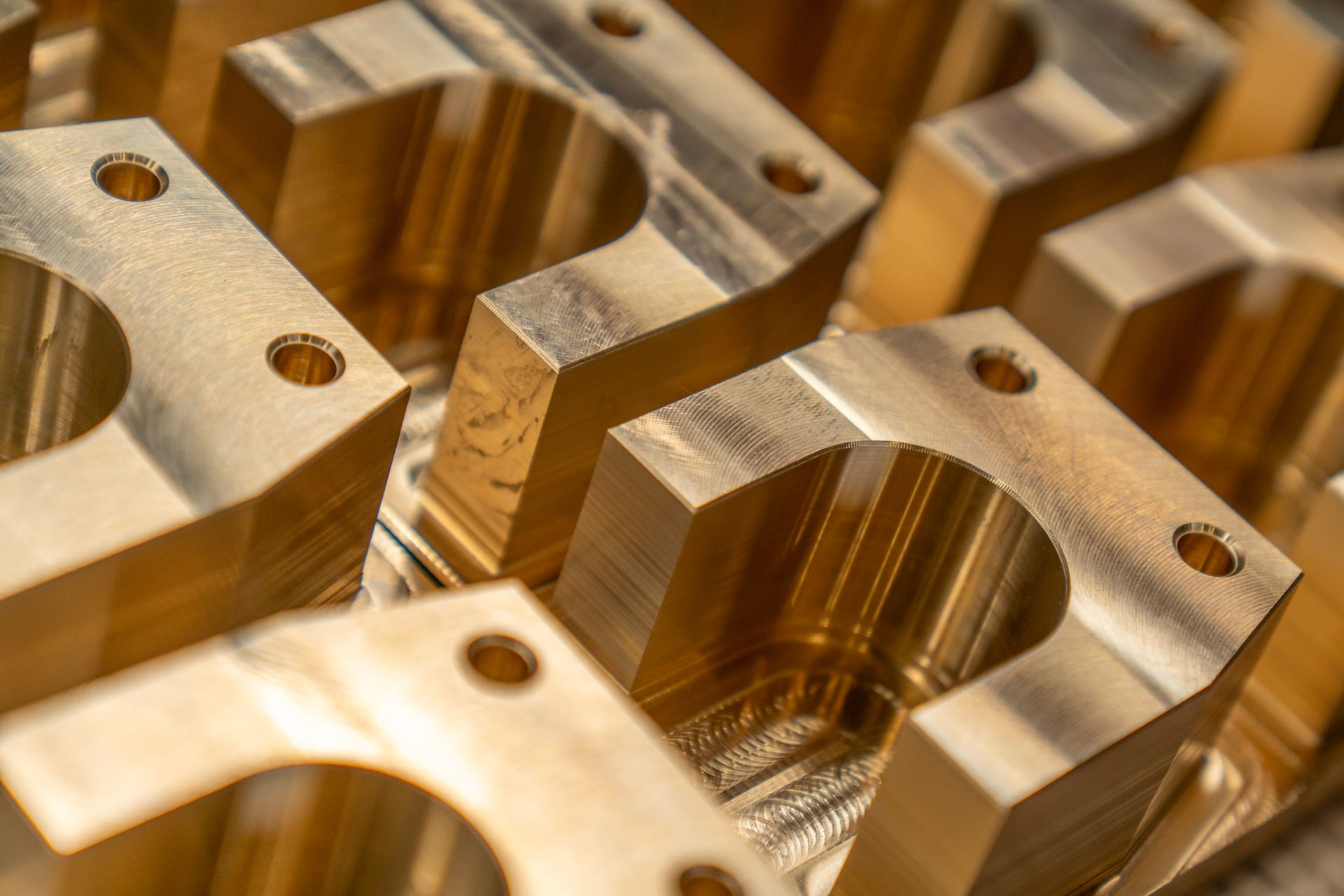
Verify What the Drawing Actually Specifies
Inspection scope is matched to the drawing and service risk. The test locations, effective case-depth definition, hardness scale, sample preparation and acceptance criteria should be agreed before production.
Surface Hardness
Measure at the specified location and scale after the full carburize, quench and temper sequence, allowing for surface condition and geometry.
Effective Case Depth
Use the agreed hardness threshold, sectioning location and microhardness traverse method to verify the required depth range.
Core Hardness
Check the core at the defined location when load-bearing strength and toughness are part of the drawing requirement.
Microstructure and Case Profile
Evaluate the prepared cross-section when retained austenite, carbides, intergranular oxidation or carbon profile limits are specified.
Dimensions and Distortion
Verify runout, tooth geometry, bores, journals, datums and stock remaining for planned finish grinding or honing.
Cracks and Surface Integrity
Apply visual or magnetic-particle inspection when required, particularly on highly stressed geometry or after a severe quench route.
One Route from Machining to Final Hardness
YXT reviews material, machining sequence, case depth, stop-off areas, quench distortion, finish allowance and inspection as one production route instead of treating heat treatment as an isolated purchase order.
Material and Drawing Review
Grade, standard, starting condition, case depth, hardness and test locations are checked before the route is released.
Machining Allowance Coordination
Critical bores, journals, gear teeth and datums are planned around expected movement and post-treatment finishing.
Qualified Process Routing
The furnace, carburizing atmosphere and quench route are matched to the alloy, geometry, depth and inspection requirement.
Post-Treatment Finishing
Straightening, grinding, honing, deburring and final inspection can be coordinated after heat treatment where required.
Repeat-Order Traceability
Drawing revision, material record, approved route and inspection results create a clearer baseline for repeat production.
Complete the Part Before or After Heat Treatment
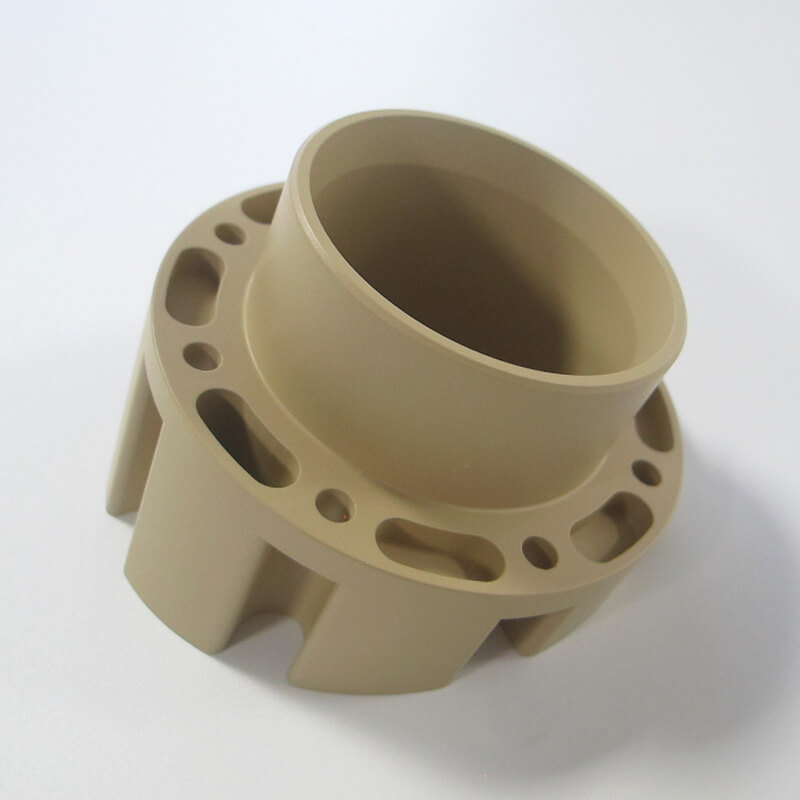
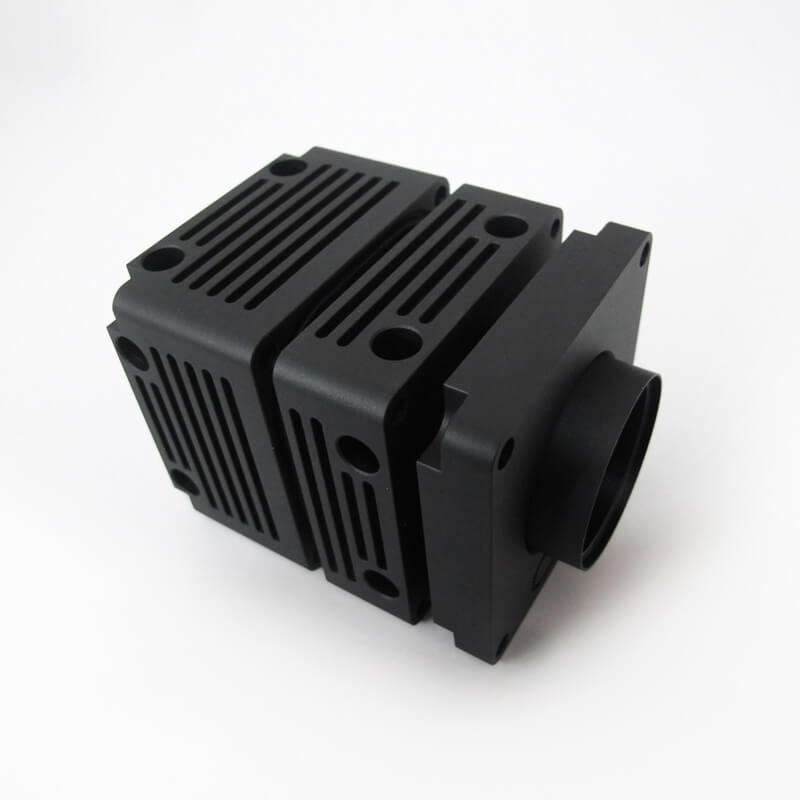
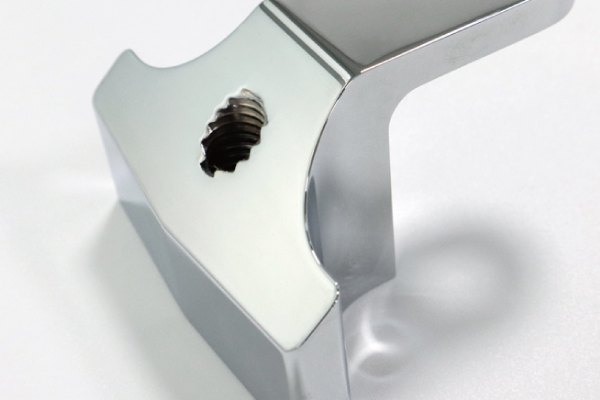
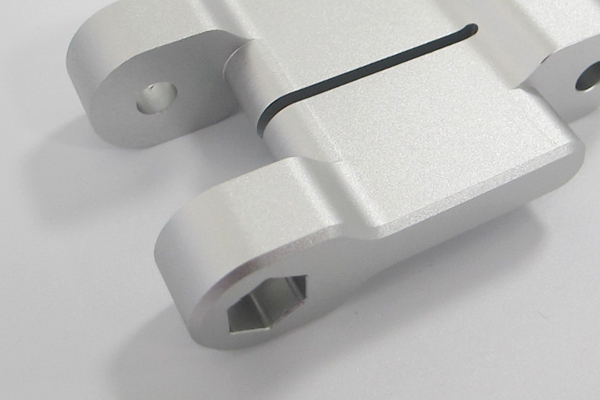
Coordinate machining, corrosion protection and appearance requirements around the hardened case and the material specified on your drawing.
Carburizing Heat Treatment Services FAQs
Resolve the steel grade, effective case depth, hardness, quench route, distortion allowance and inspection method before your parts enter production.
3D model, dimensioned drawing, steel grade and standard, starting condition, quantity, effective case depth, hardness targets, protected areas, critical dimensions and inspection notes.
Which steels are suitable for carburizing?
Carburizing is normally applied to suitable low-carbon and alloy case-hardening steels such as 8620, 20MnCr5, 16MnCr5, 9310 and other specified grades. The exact chemistry, hardenability, section size and required core properties must be reviewed; a similar name is not assumed to be an equivalent grade.
What case depth and surface hardness can be specified?
Many precision parts fall within an effective case-depth planning range of roughly 0.3-2.0 mm and a common surface target around 58-64 HRC, but neither range is universal. State the required depth definition, hardness scale, tolerance and test location so feasibility can be confirmed for the selected material and geometry.
How does carburizing affect dimensions?
High-temperature exposure and quenching can cause growth, ovality, bow, runout and tooth-geometry movement. Critical features should identify final post-treatment requirements, and stock may be left for grinding, honing or straightening where tolerance demands it.
Can selected areas remain soft or uncarburized?
Selected threads, weld zones or machining areas can be evaluated for stop-off compound, copper plating or later stock removal. Mark every protected area clearly on the drawing and confirm whether hardness, carbon depth or machining requirements apply there.
Is finish grinding required after carburizing?
Not every part requires grinding, but bearing journals, precision bores, gear teeth, sealing surfaces and close-runout features often need planned finishing after heat treatment. The grinding allowance must preserve the minimum effective case depth after material removal.
What information is needed for quotation and lead time?
Send the 3D model, dimensioned drawing, steel grade and standard, starting condition, quantity, effective case depth, surface and core hardness, protected areas, critical dimensions, post-grinding plan and inspection scope. Lead time is then reviewed around machining, heat-treatment batch scheduling, testing and final finishing.
Plan the Part and Heat-Treatment Route Together
Share your CAD files, drawings and carburizing requirements. YXT will review the steel grade, effective case depth, hardness, protected areas, dimensional allowance, quench risk, finish machining and inspection needs before quotation.