Powder Coating Finishing Services
Coordinate machining, pretreatment, masking, color, texture and cure control for durable powder-coated CNC and sheet metal parts.
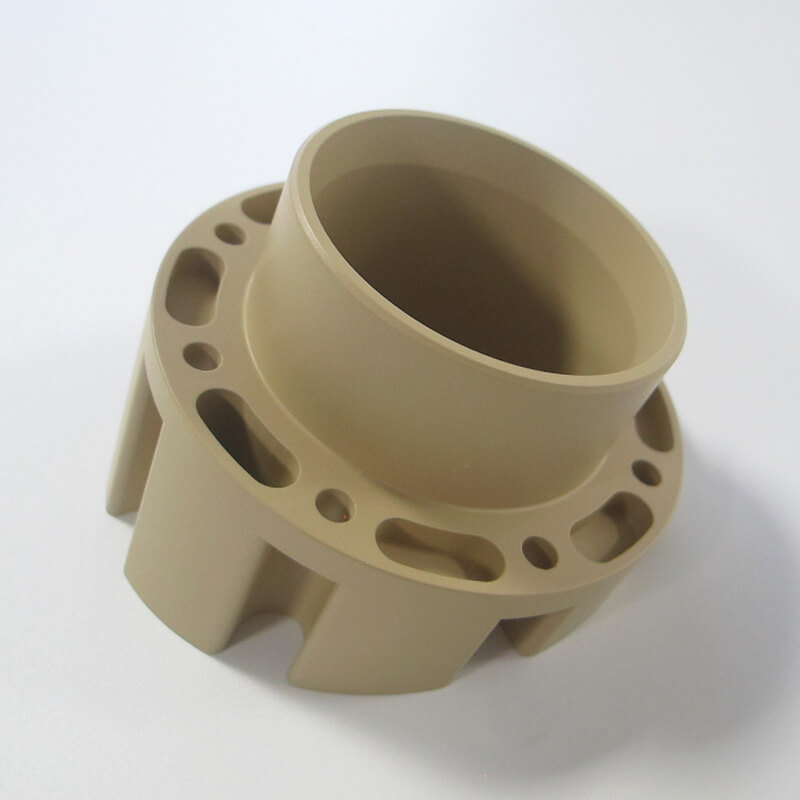
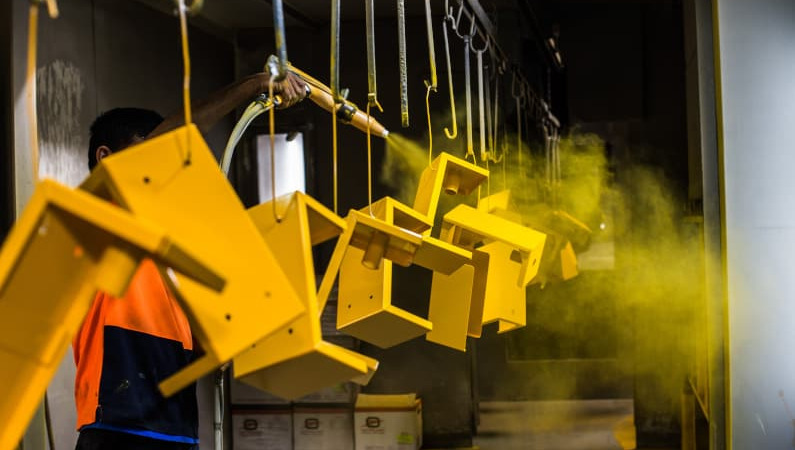
Electrostatically charged dry powder is applied to a prepared part and cured into a continuous protective film.
What Powder Coating Adds to a Precision Part
Powder coating applies a charged dry powder to a cleaned and pretreated substrate, then cures it under controlled heat. Powder chemistry, pretreatment, film build, part geometry, grounding and cure schedule all influence adhesion, durability and appearance.
Impact and Chip Resistance
A correctly selected and cured powder film provides a durable finish for housings, brackets and frequently handled parts.
Corrosion Protection
Pretreatment and coating work together to protect suitable metal substrates in the intended service environment.
Color and Gloss Control
Standard colors, customer samples and approved limit panels can define matte, satin, gloss or metallic appearance.
Texture Options
Fine texture, wrinkle and other specialty effects can add grip, reduce glare or help manage minor visual variation.
Efficient Coverage
Electrostatic application supports consistent coverage and recovery of overspray in a controlled production process.
Dry Finish Process
The powder itself does not rely on a liquid-paint solvent carrier, although pretreatment and facility controls still matter.
Powder Coating Options for CNC and Sheet Metal Parts
Select the powder around indoor or outdoor exposure, UV resistance, chemicals, flexibility, color, texture, substrate and the surfaces that must remain uncoated.
Epoxy Powder
Typical 60-100 micronsEpoxy powder offers strong adhesion, chemical resistance and corrosion performance for indoor industrial components.
Polyester Powder
Typical 60-100 micronsPolyester powder is a widely used route for outdoor color stability, mechanical durability and weather resistance.
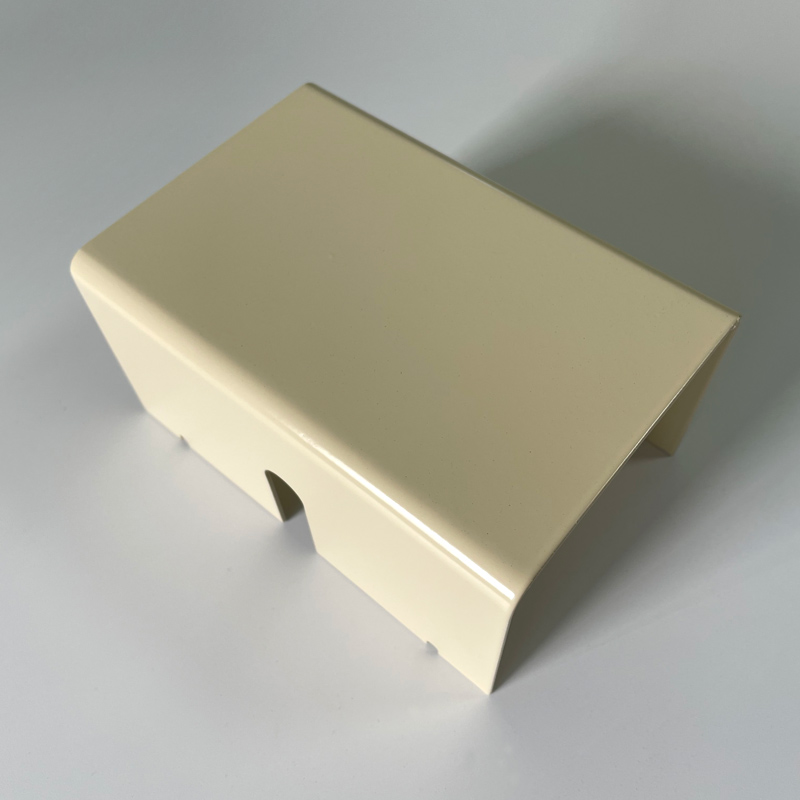
Epoxy-Polyester Hybrid
Typical 60-100 micronsHybrid powder balances epoxy toughness with polyester appearance for general indoor products and equipment.
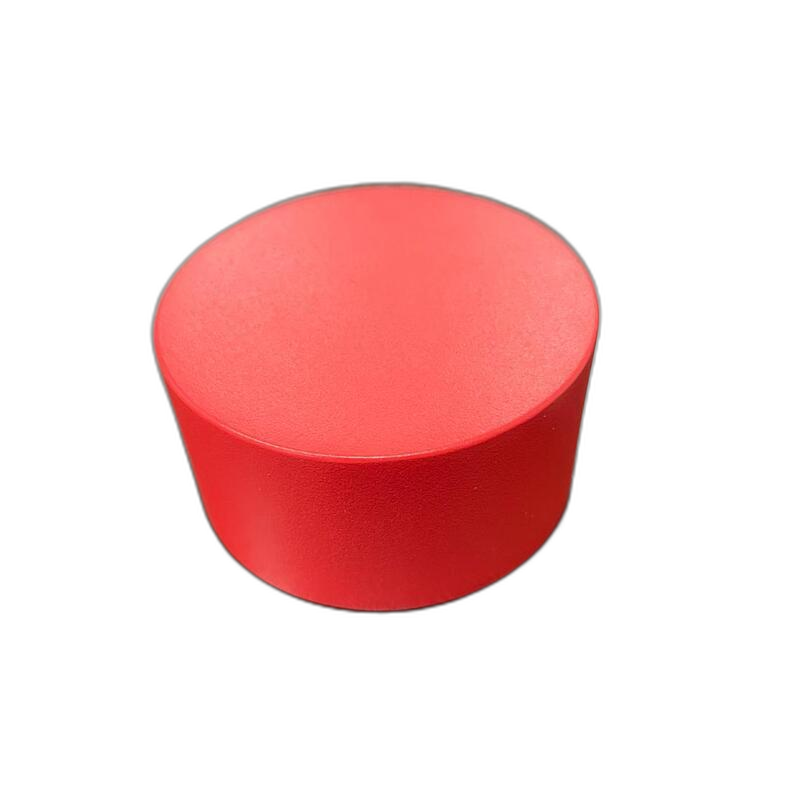
Polyurethane Powder
Typical 50-100 micronsPolyurethane powder can provide a smooth finish with useful flexibility, chemical resistance and exterior performance.
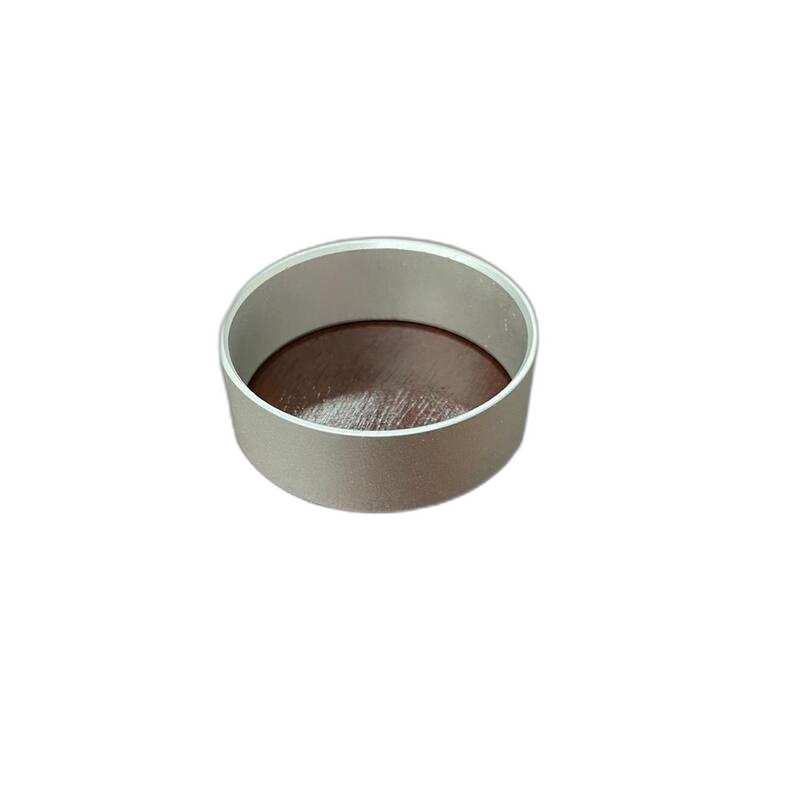
Acrylic Powder
Typical 50-80 micronsAcrylic powder is considered when clarity, gloss and color retention are more important than extreme film toughness.
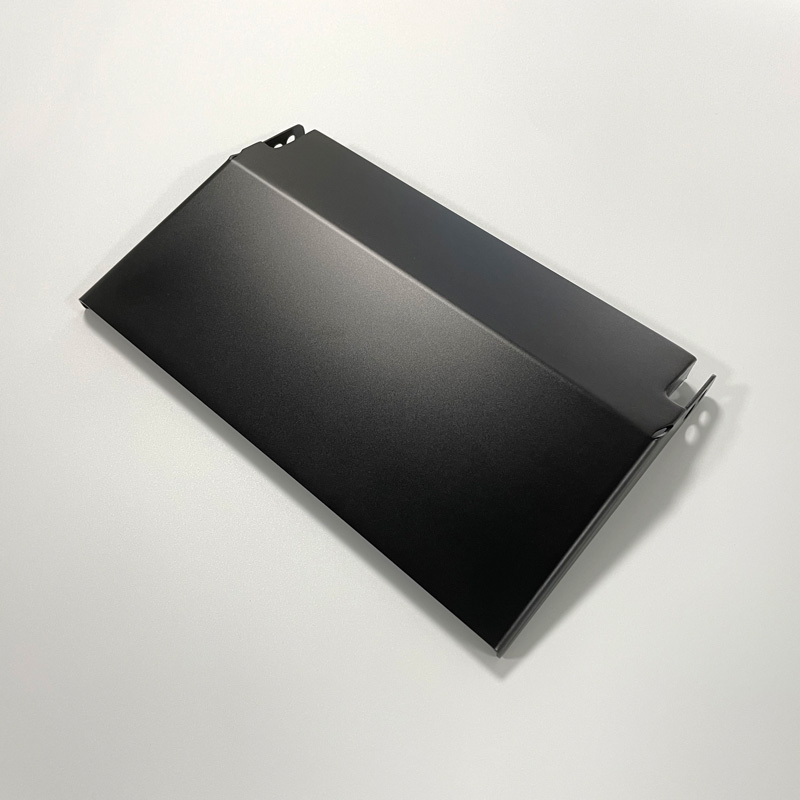
Textured and Specialty Powder
Typical 70-120 micronsTextured, wrinkle, metallic and other specialty powders create a distinct tactile or visual surface for suitable parts.
Typical film-build ranges are planning values only. Final powder chemistry, thickness, pretreatment, color, gloss, texture, cure schedule and test method depend on the substrate, geometry, exposure and drawing requirements.
Protect Fits and Cosmetic Surfaces Before Coating
Powder coating commonly adds a much thicker film than plating and the part must tolerate the cure cycle. Fits, threads, grounding points, thin walls and cosmetic surfaces should be reviewed before machining is released.
Request a QuotePost-Coat Dimensions
State whether dimensions apply before or after coating, especially on bores, shafts, press fits, mating faces and assembly clearances.
Threads, Bores and Contacts
Identify threads, bearing seats, sealing faces, electrical grounds and other interfaces that require plugs, caps or masking.
Edges, Recesses and Drainage
Sharp edges, deep recesses and enclosed volumes influence coverage, electrostatic access and powder escape; add practical radii and venting where possible.
Substrate and Pretreatment
Specify the exact steel, stainless steel, aluminum or other substrate so cleaning, blasting and conversion pretreatment can be selected correctly.
Cure Temperature and Distortion
Thin panels, bonded assemblies, inserts and heat-sensitive features must be reviewed against the powder cure schedule and distortion risk.
Color, Gloss and Texture Reference
Provide a color code, physical sample or approved limit panel, plus the required gloss and texture when cosmetics are critical.
Powder Coating Appearance Options
Use these screen swatches only to organize the discussion. A powder supplier code, physical sample or approved limit panel is the correct reference when appearance is critical.
Need a Specific RAL, Gloss or Texture?
Send the powder supplier code, physical sample or appearance reference for evaluation. Exact RAL, Pantone, gloss or texture matching is confirmed only after an approved sample or agreed limit range is established.
Powder-Coated Parts Gallery
Representative matte, gloss, textured, clear and colored powder-coated components. Replace or reorder every image directly in the native Bricks carousel.
From Engineering Review to Final Inspection
Reliable powder coating starts before spraying. Substrate, pretreatment, masking, grounding, film build and cure conditions must be planned as one controlled sequence.
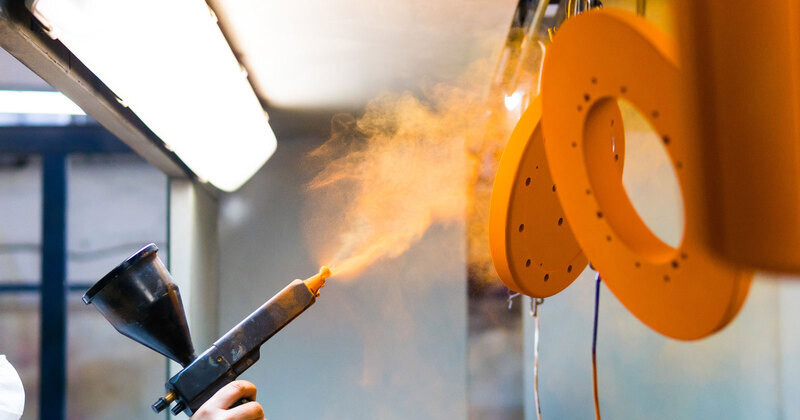
Pretreatment, grounding, film build and cure control determine adhesion, coverage and appearance.
Engineering Review
Confirm substrate, powder system, film build, color, gloss, texture, masking, cure limits and acceptance requirements.
Masking and Racking Plan
Define plugs, caps, protected surfaces, hanger locations and acceptable contact marks before pretreatment.
Cleaning and Pretreatment
Remove machining oil, oxide and handling contamination, then apply the substrate-appropriate pretreatment.
Drying and Grounding
Dry the part completely and establish reliable grounding so charged powder can reach the intended surfaces.
Electrostatic Application
Apply the selected powder with controlled gun settings, coverage and target film build.
Controlled Cure
Heat the coated part according to the powder data sheet while managing metal temperature, time and distortion risk.
Cooling and Inspection
Cool under controlled handling, remove masking and inspect appearance, adhesion, film build and critical dimensions.
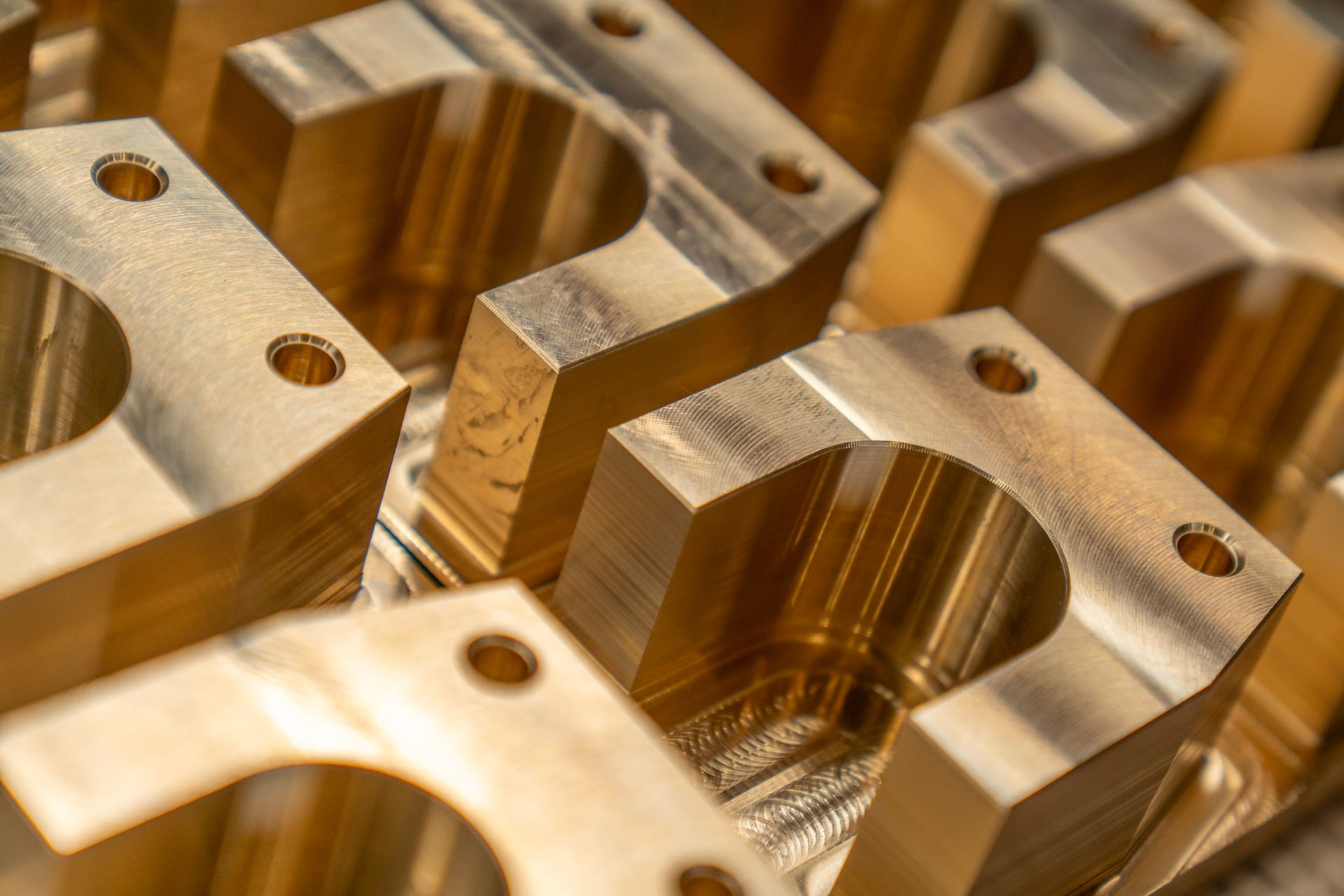
Inspection Built Around the Finish Requirement
Inspection scope is matched to the drawing, powder specification, approved appearance reference and service risk. Critical cosmetic and functional requirements should be identified before production.
Color, Gloss and Texture
Compare the finish with the approved powder code, sample or agreed limit panel under consistent viewing conditions.
Film Build
Verify coating thickness using the agreed method and sampling plan for the powder system and part geometry.
Adhesion
Apply the specified adhesion check where substrate, pretreatment, cure condition or service risk requires it.
Coverage and Defects
Review thin areas, heavy build, pinholes, orange peel, contamination, edge coverage and unwanted coating on masked surfaces.
Post-Coat Dimensions
Verify critical dimensions, threads, fits and interfaces that may be affected by film build or masking.
First Article / Sample
Use a sample or first article when appearance, masking or functional limits need approval before the production batch.
One Team for the Part and Its Final Color Finish
YXT reviews machining, sheet metal fabrication, pretreatment, film allowance, masking, cure risk and inspection as one production route instead of treating coating as an isolated final step.
Fabrication + Coating Coordination
Critical fits, substrates, welds and cosmetic surfaces stay visible from DFM through final inspection.
Process Review Before Release
We review pretreatment, film build, cure limits, edge condition, hanger locations and masking before the job moves forward.
Controlled Masking and Racking
Protected areas and acceptable contact marks are tied back to your drawing notes.
Sample and First-Article Support
Color, gloss, texture and functional limits can be approved before a larger production batch.
Repeat-Order Clarity
Approved powder codes, limit panels, revisions and inspection requirements create a clearer baseline for future batches.
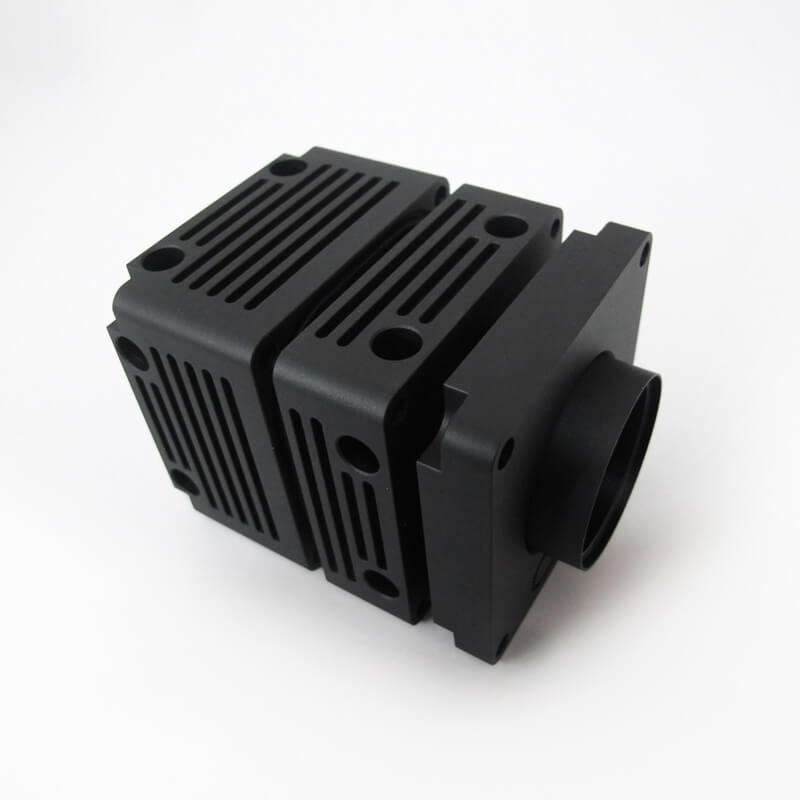
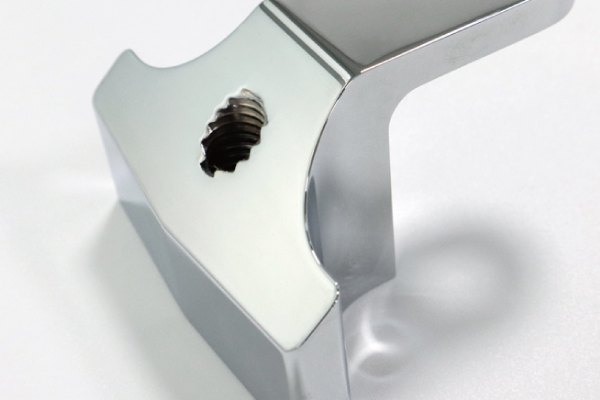
Other Surface Finishing Options
Choose a preparation or coating route around corrosion, appearance, conductivity, wear and the material specified on your drawing.
Powder Coating Services FAQs
Resolve the substrate, powder system, color, gloss, texture, film build, masking and acceptance method before your parts enter production.
3D model, drawing, substrate, quantity, powder code or sample, gloss, texture, target film build, critical dimensions, masking and inspection notes.
Which powder coating system should I choose?
Epoxy is commonly selected for tough indoor service, polyester for outdoor weathering, hybrids for general indoor products, and specialty polyurethane, acrylic or textured powders for specific appearance or performance needs. Final selection depends on the substrate, exposure, color, gloss and supplier data sheet.
How does powder coating affect dimensions?
Powder coating commonly adds about 50-120 microns per coated surface, depending on chemistry, color, texture and geometry. Critical bores, shafts, threads, fits and bearing seats should state post-coat requirements so allowance or masking can be planned.
Which materials can be powder coated?
Common substrates include carbon and alloy steel, stainless steel, aluminum and other electrically conductive materials that can tolerate pretreatment and the cure cycle. The exact alloy, previous finish, inserts and bonded features should be identified before quotation.
Can you match a RAL or customer color sample?
YXT can evaluate a RAL reference, supplier powder code or physical sample. Exact appearance is confirmed only after the specific powder, gloss, texture, substrate and approved sample or limit range are agreed; screen colors are not an acceptance standard.
Can threads and critical areas be masked?
Yes. Threads, bearing seats, sealing faces, electrical grounds and selected cosmetic areas can be reviewed for plugs, caps or masking. Mark every required area clearly and identify where hanger or contact marks are acceptable.
What information is needed for lead time and quotation?
Send the 3D model, dimensioned drawing, substrate grade, quantity, powder code or sample, color, gloss, texture, target film build, masking notes and inspection scope. Lead time is then reviewed around fabrication, pretreatment, coating, cure and sample approval requirements.
Plan the Part and Powder-Coated Finish Together
Share your CAD files, drawings and powder coating requirements. YXT will review the substrate, powder route, color, texture, dimensional allowance, masking, cure risk and inspection needs before quotation.