
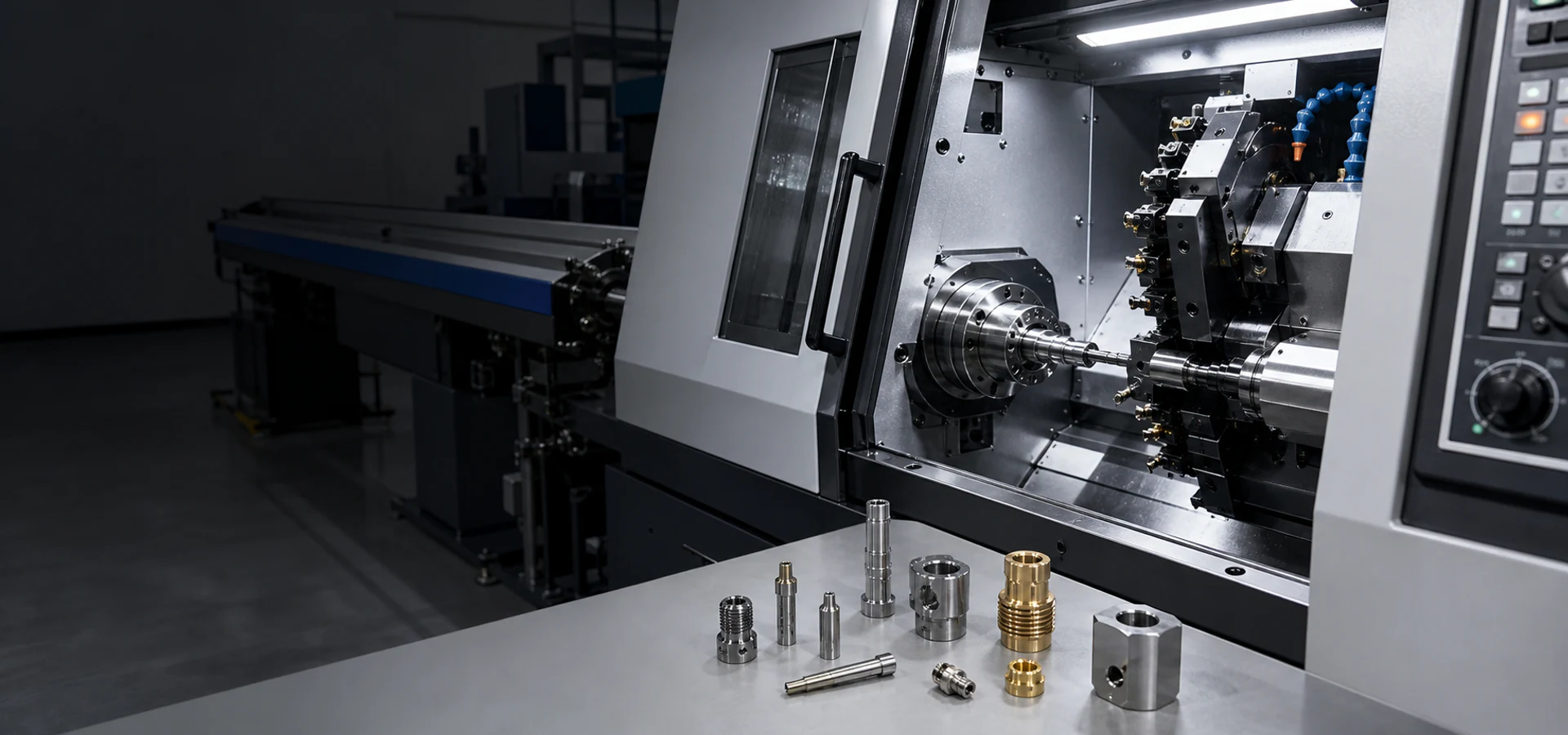
Precision Swiss CNC Machining Services
Stable machining for small, slender and detail-rich components, supported by drawing review, controlled production and practical inspection planning.
Why Swiss Machining Controls Long, Slender Parts
A sliding headstock feeds bar stock through a guide bushing so support remains close to the cutting zone. The short unsupported length helps reduce vibration and part deflection.
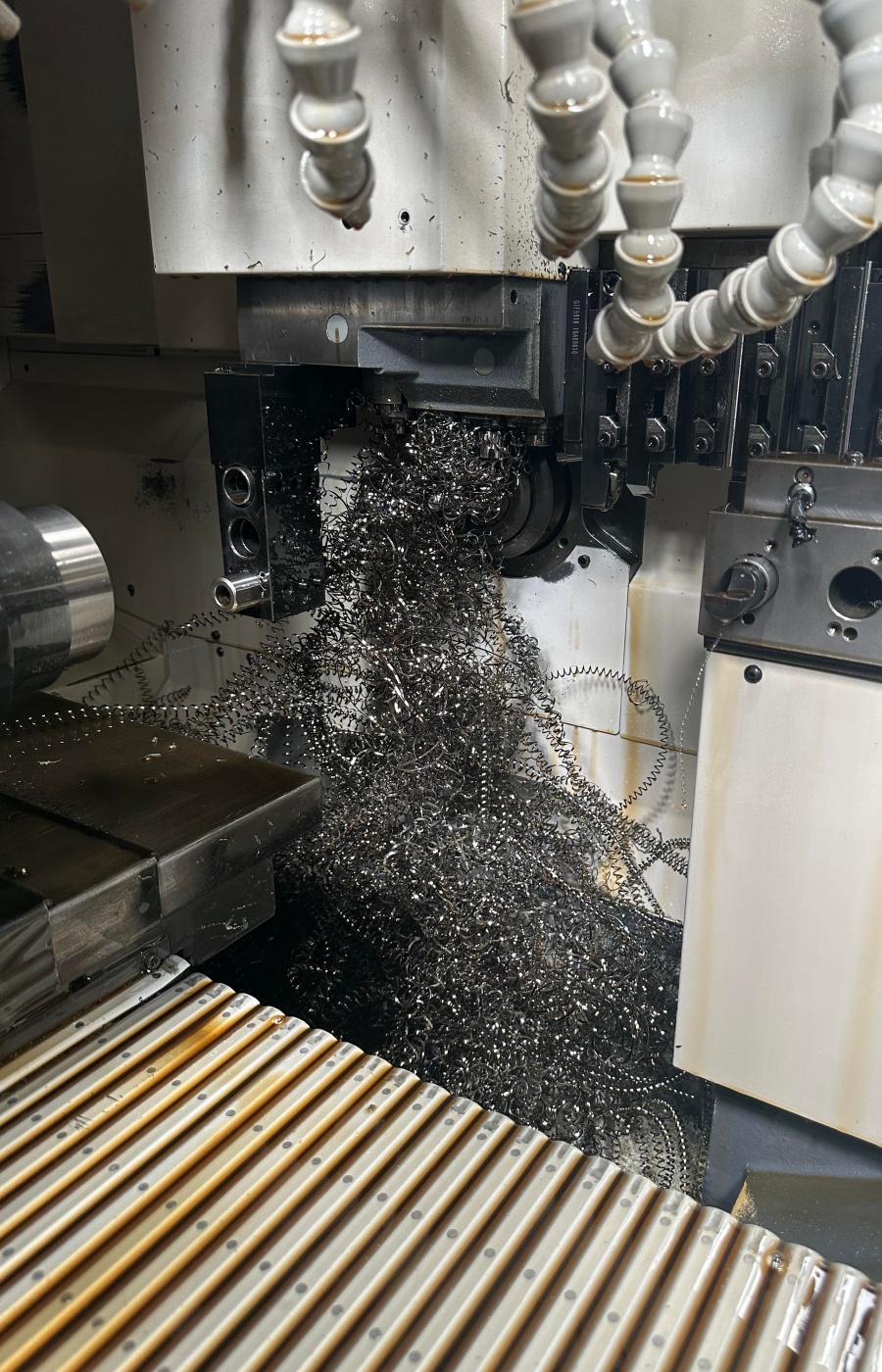
Shorter overhang. Greater rigidity.
Keeping the unsupported length close to zero is the core reason Swiss-type machining is effective for slender geometry.
Guide-Bushing Stability at the Cutting Point
Unlike a conventional lathe that leaves more bar stock cantilevered from the chuck, the Swiss configuration continuously supports material while the headstock moves.
Slender Geometry Support
Useful for shafts, pins, screws and other parts where length can make conventional turning less stable.
Micro-Feature Control
Stable work support helps protect small diameters, fine threads and close feature relationships.
Consistent Surface Quality
Reduced vibration supports cleaner turned surfaces and can limit avoidable secondary work.
High-Performance Materials We Machine
Material selection is reviewed against strength, corrosion resistance, thermal behavior, dimensional stability and the final operating environment.
Metals and Specialty Alloys
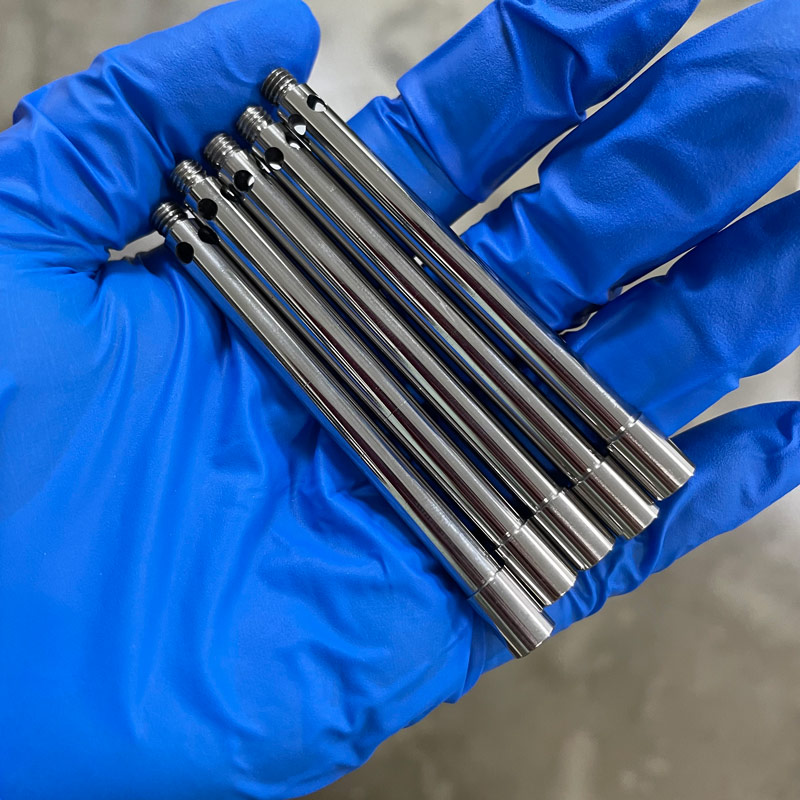
Stainless Steel
Common choices include 303, 304, 316L, 416 and 17-4 PH for corrosion resistance, strength and dependable turning behavior.
Explore material options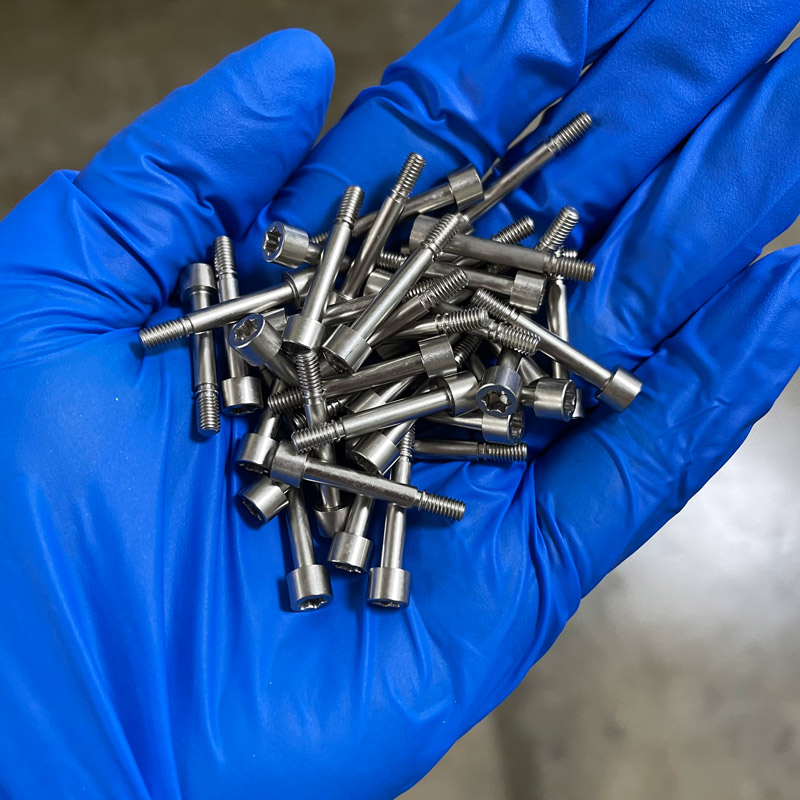
Titanium
Grade 2, Grade 5 and medical-oriented titanium grades can be reviewed for lightweight, strong and corrosion-resistant components.
Explore material options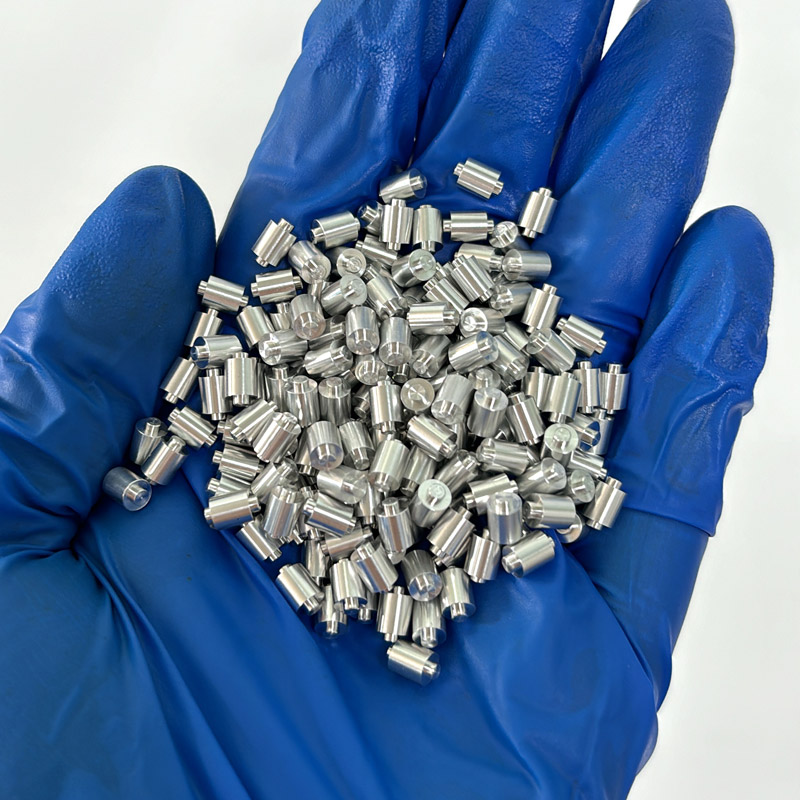
Aluminum Alloys
Machinable grades such as 6061, 7075, 2011 and 2024 suit lightweight precision parts, connectors and instrument components.
Explore material options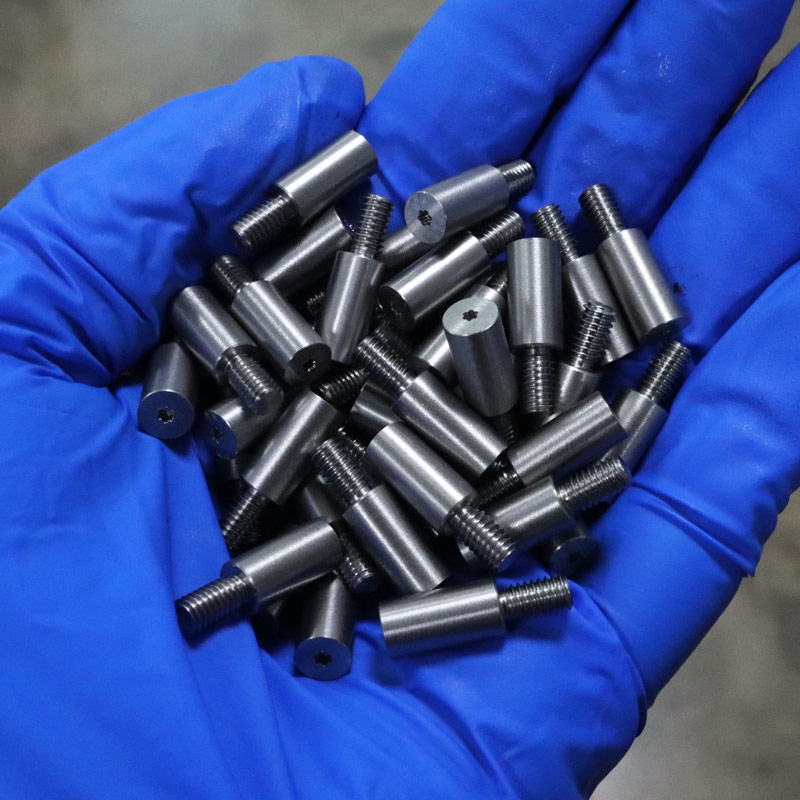
Copper, Brass and Specialty Alloys
C360 brass, copper alloys, Kovar, Inconel and other demanding materials are reviewed around the drawing and application.
Explore material optionsEngineering Plastics
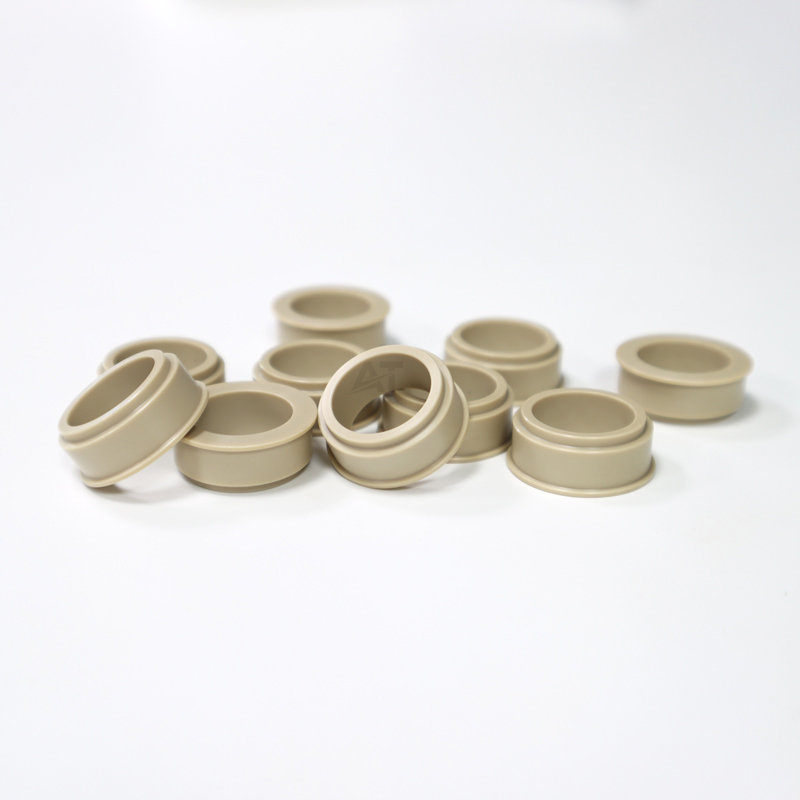
PEEK and PEI
High-performance polymers for parts requiring temperature resistance, low weight or application-specific electrical behavior.
Explore material options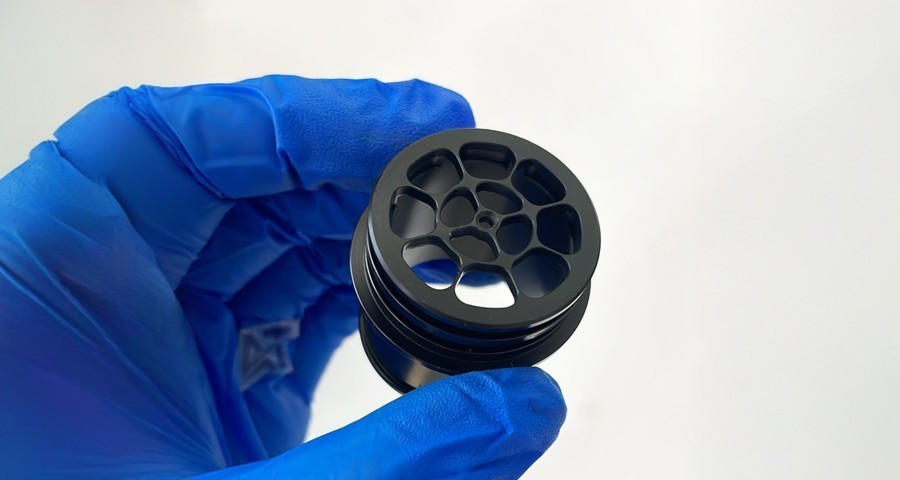
Nylon and Acetal
Stable engineering plastics for bushings, guides, insulators and precision mechanical components with low friction.
Explore material options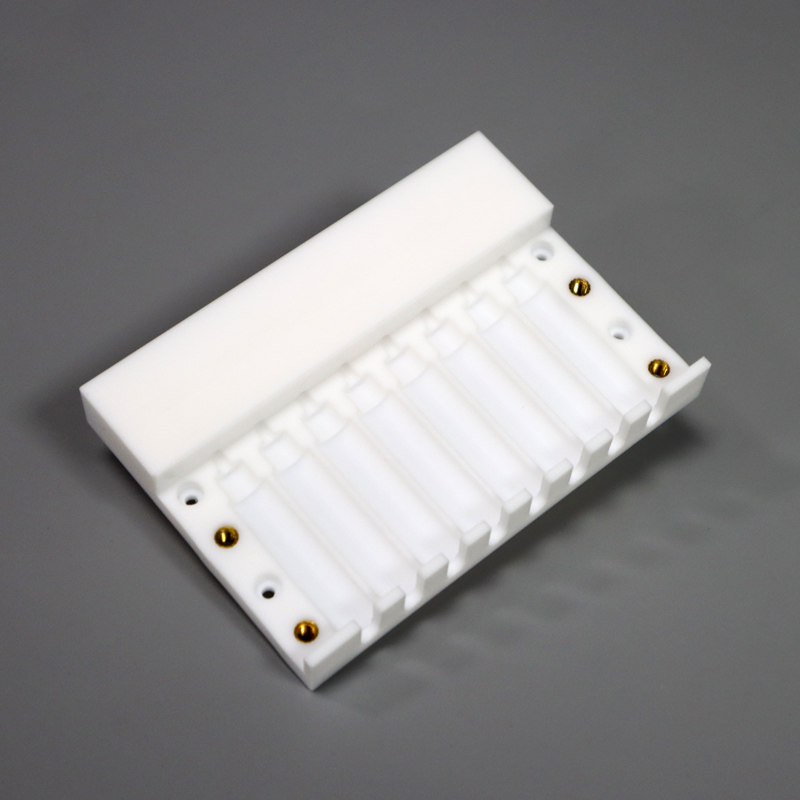
PTFE
A low-friction and chemically resistant option for seals, isolators and fluid-handling components.
Explore material optionsSolutions for High-Demand Industries
Swiss-type machining supports small precision components used where geometry, repeatability and traceable manufacturing information matter.




Gallery of Swiss CNC Machined Parts
Examples include miniature screws, slender shafts, fittings, bushings and detail-rich components produced in stainless steel, aluminum, brass and engineering plastics.
The YXT Advantage: Process Control You Can See
Every project starts with the drawing. Manufacturing, inspection and delivery planning are then matched to the part rather than forced into a fixed promise.
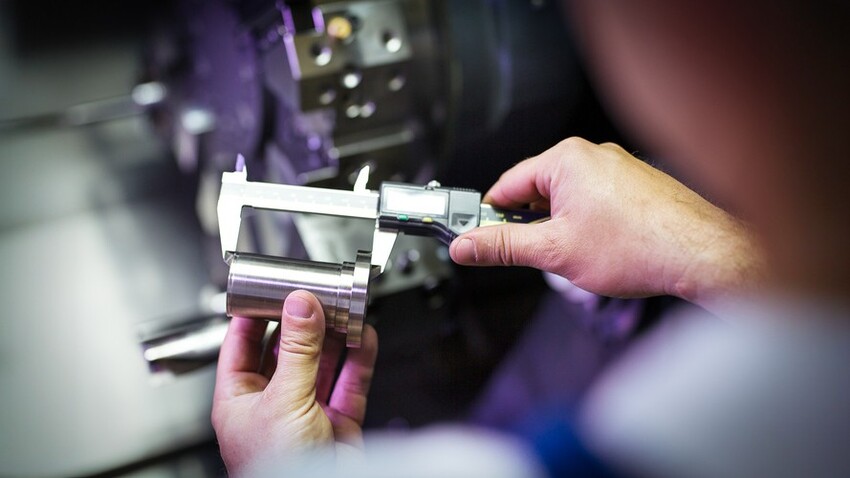
Drawing-Based Quality Planning
Critical dimensions, cosmetic requirements and inspection expectations are reviewed before production begins.
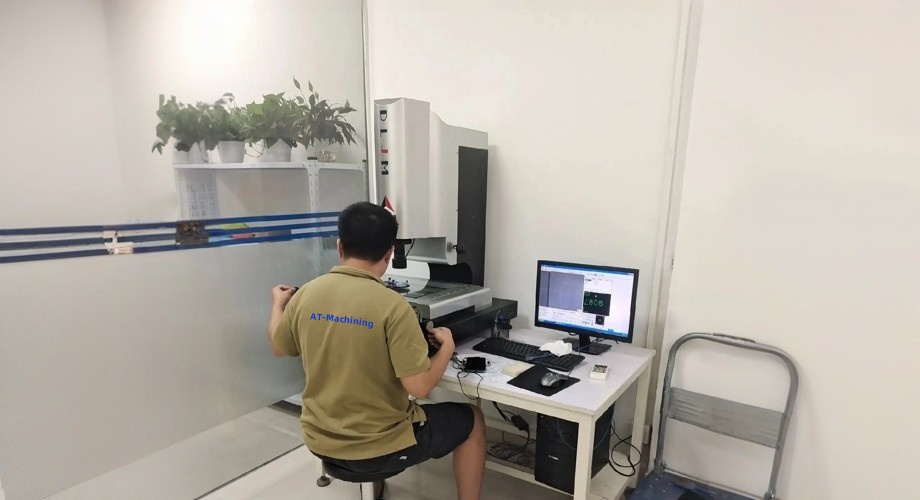
Advanced Inspection Support
Measurement methods can include calibrated gauges, optical inspection and CMM verification when the project requires it.
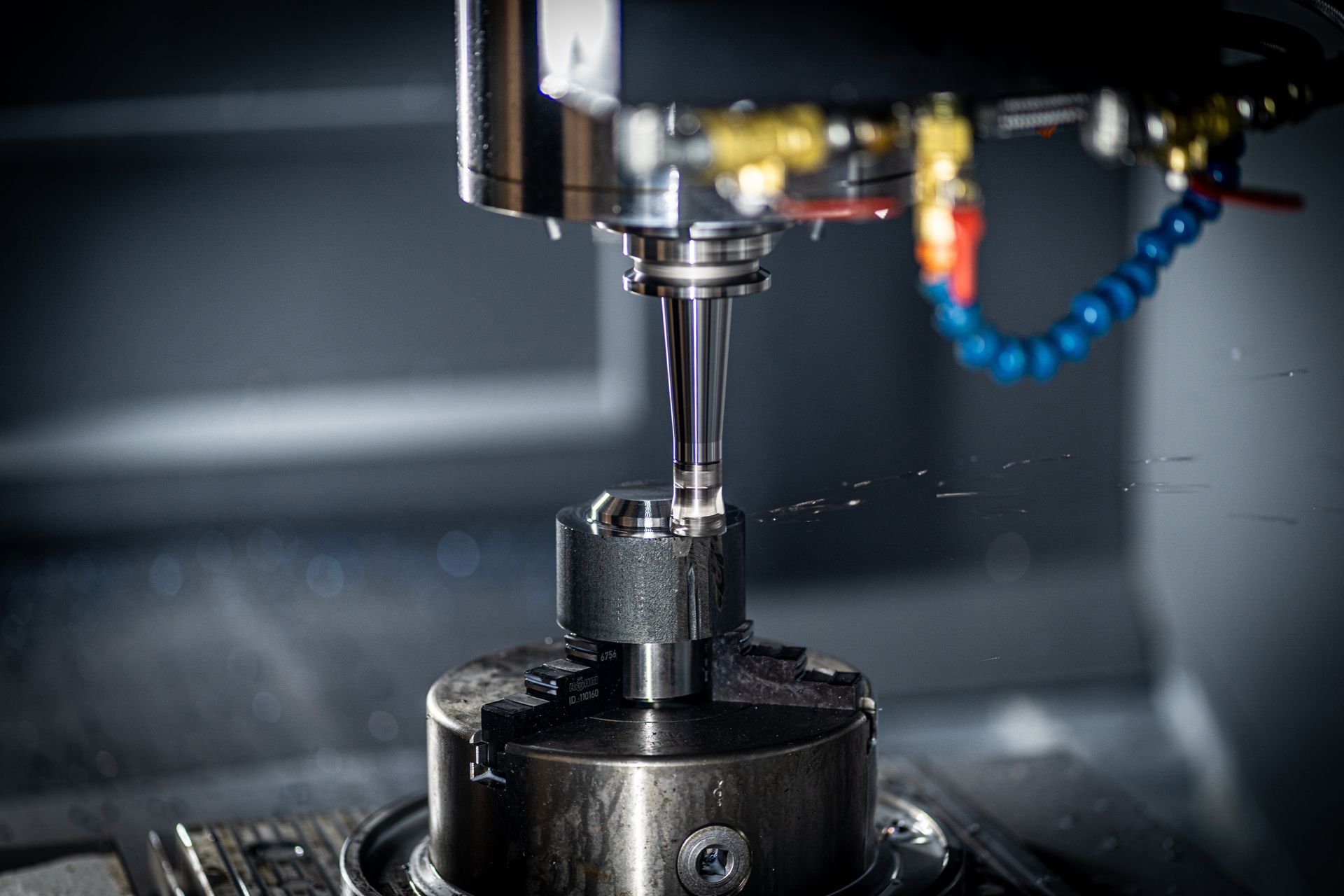
Practical DFM Feedback
Engineers flag difficult features, tolerance risks and avoidable operations so the design can be quoted with fewer surprises.
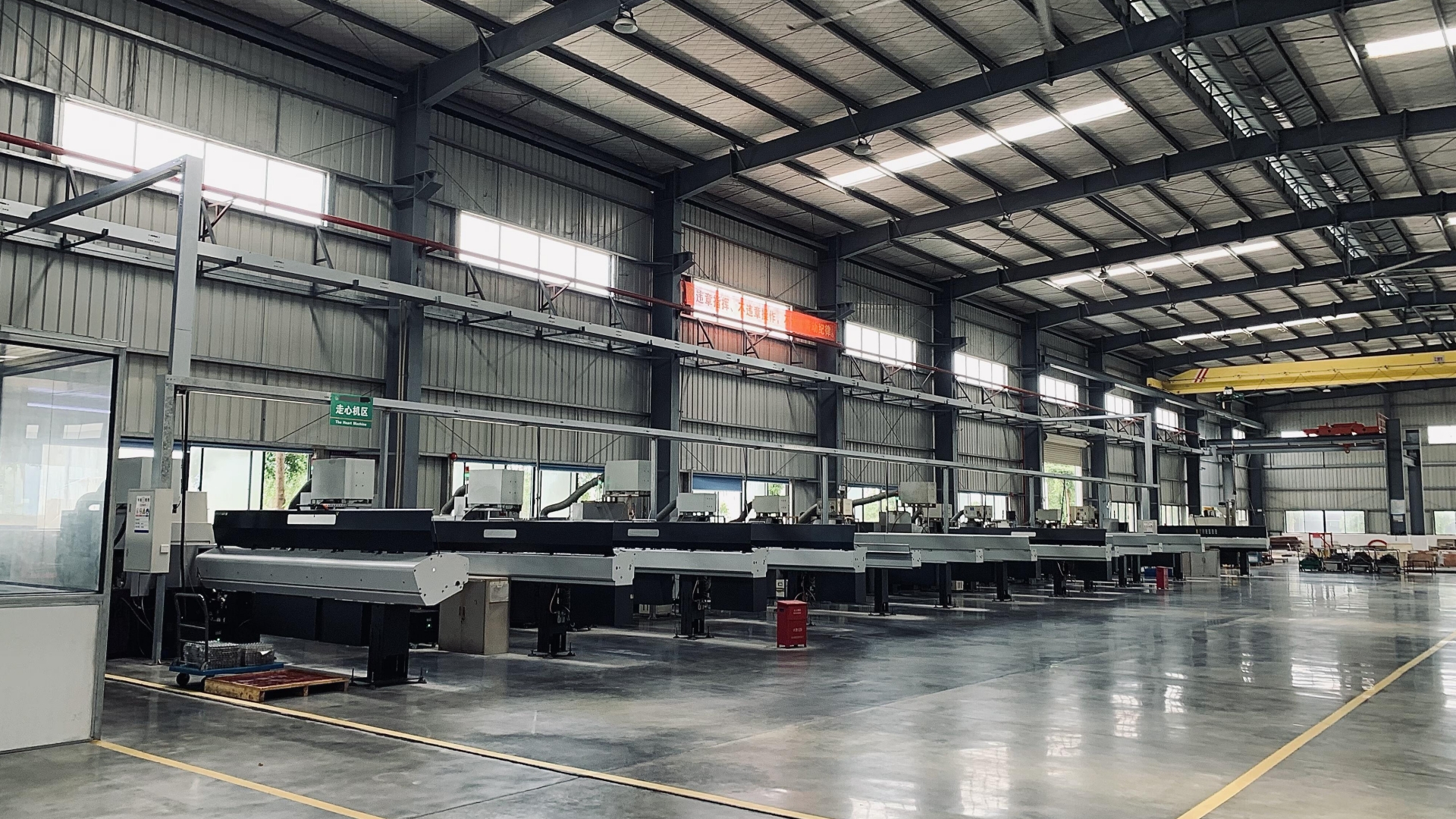
Bar-Fed Repeat Production
Swiss-type equipment and bar feeding support repeatable output for approved parts and planned production batches.
Turn Your Swiss Part Design Into a Practical Production Plan
Send the CAD file, drawing, material, quantity and finish. YXT will review the manufacturing route and identify the information still needed for quotation.
Swiss-Type Turning vs. Conventional CNC Turning
Both processes are valuable. The best choice depends on part diameter, unsupported length, feature complexity, quantity and the number of operations required.
Part stability
Guide bushing supports material close to the cut
Workpiece extends outward from the chuck or collet
Slender geometry
Well suited to long, small-diameter components
Better when unsupported length remains manageable
Tooling strategy
Multiple tools can work around main and sub-spindles
Often organized around a simpler tool sequence
Secondary operations
Many front and back features can be completed in one cycle
Additional setups may be required for back work
Batch efficiency
Strong fit for repeat bar-fed production after approval
Flexible for broader part sizes and simpler turning
Diameter range
Primarily selected for small and medium bar diameters
Can accommodate much larger workpiece diameters
Typical applications
Pins, screws, shafts, fittings and miniature components
Bushings, flanges, large shafts and general turned parts
Swiss CNC Machining Applications
Representative applications are shown as planning examples. Final material, tolerance and finishing requirements should always follow the approved drawing.
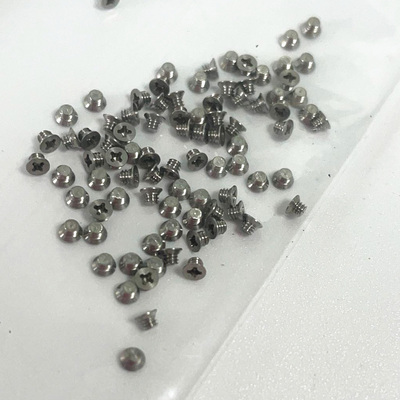
Precision Medical Screw
Orthopedic or instrument fastening
Medical
Stainless steel or titanium
Passivation or application-specific treatment
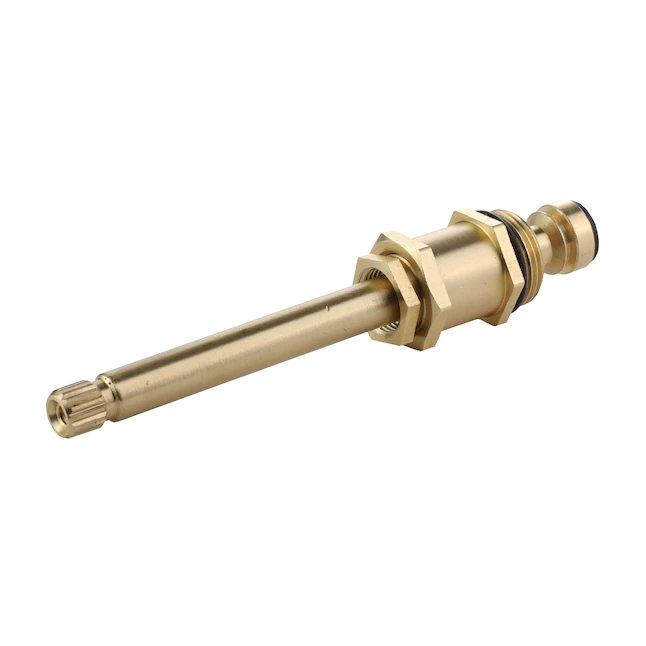
Fluid Control Nozzle
Metered fluid or fuel delivery
Automotive and industrial
Brass or stainless steel
As machined or plated
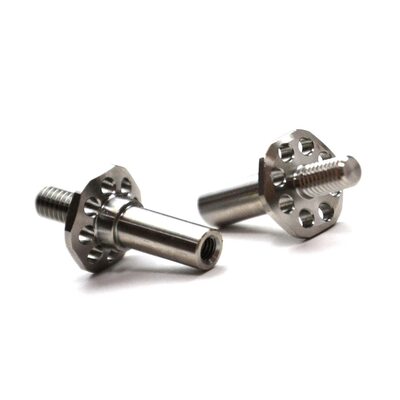
Implant-Related Component
Precision medical assembly
Medical
Titanium alloy
Specified surface treatment
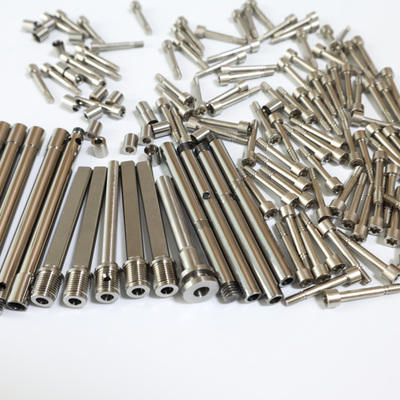
Aerospace Fastener
Structural or equipment assembly
Aerospace
Steel, titanium or specialty alloy
Passivation, plating or coating
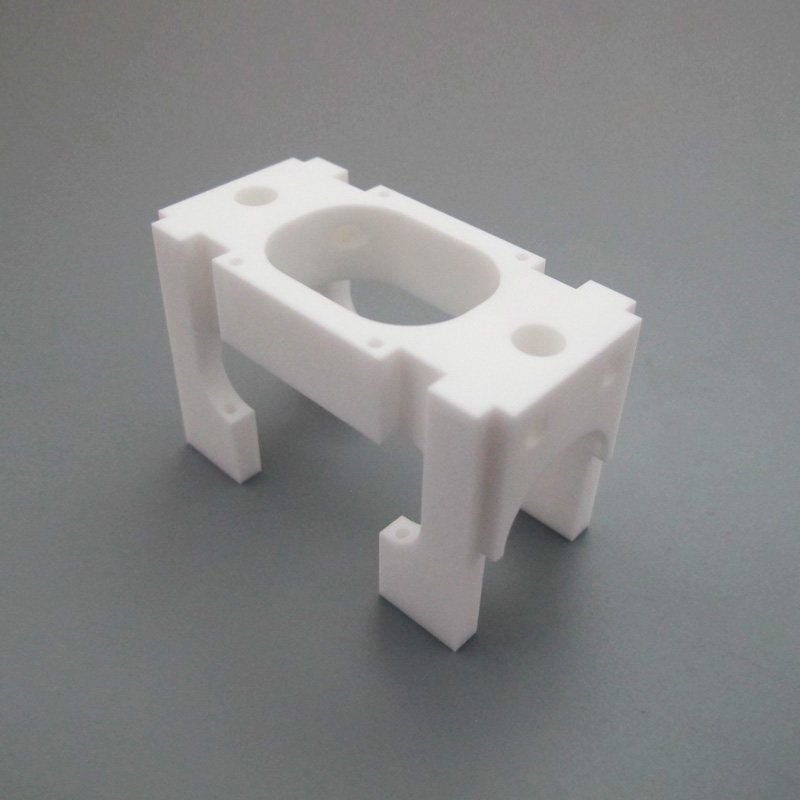
Precision Ferrule
Alignment and insulation
Electronics and communications
Ceramic or engineering plastic
Precision ground or polished
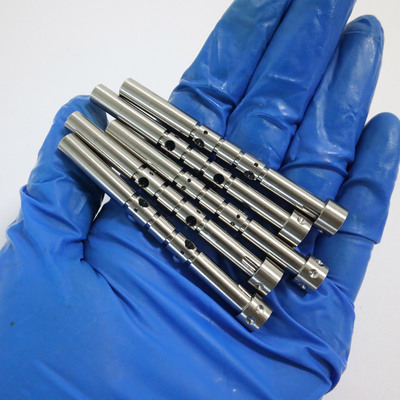
Precision Spindle
Compact rotary mechanism
Industrial equipment
Stainless or alloy steel
As machined, ground or plated
Design Notes for More Predictable Swiss Machining
These practical checks help engineers prepare drawings that are easier to review, quote and manufacture consistently.
Manufacturing Feedback Grounded in the Drawing
Our team reviews geometry, material, tolerance, finish and inspection expectations together so production decisions remain connected to the intended application.
Contact on WhatsAppUse the Guide Bushing Intentionally
Long, slender features benefit most when critical cutting remains close to the support point. Share the full geometry so this can be planned correctly.
Control Bar Stock Consistency
Guide-bushing performance depends on predictable stock diameter and straightness. Call out material and stock requirements when they are critical.
Balance Front and Back Operations
Parts that need work on both ends may benefit from main and sub-spindle planning. Clear feature priorities help reduce unnecessary handling.
Specify Practical Internal Radii
Avoid sharp internal corners where possible. A tool-compatible radius improves access, tool life and surface quality.
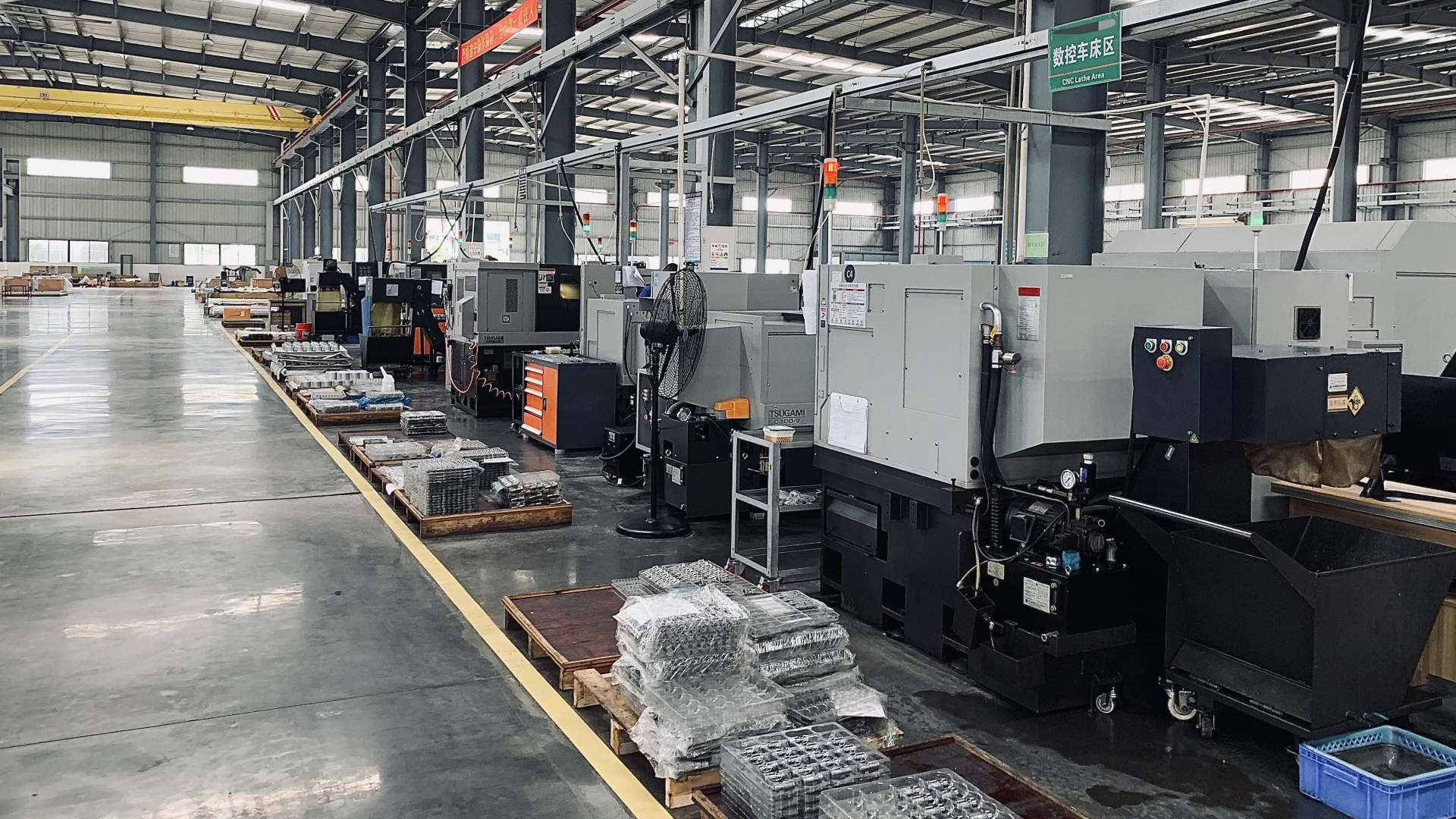
Swiss projects are reviewed around the drawing, material, quantity, finishing and inspection scope.
Swiss CNC Machining FAQs
Helpful details for preparing a complete request and understanding where Swiss-type turning fits.
How is Swiss machining different from a standard CNC lathe?
A Swiss-type machine supports bar stock with a guide bushing close to the cutting tools while the headstock feeds the material. A conventional lathe generally holds the part in a chuck or collet with more unsupported length extending toward the tool.
Is Swiss machining suitable for very small components?
It is commonly selected for small diameters, fine threads, long slender geometry and closely related features. Actual capability is confirmed from the material, complete geometry, tolerance and inspection method.
Which materials can YXT review for Swiss machining?
Projects can be reviewed in stainless steel, aluminum, titanium, brass, copper alloys, selected specialty alloys and engineering plastics such as PEEK, nylon, acetal and PTFE.
Can front and back features be completed in one cycle?
Many parts can combine main-spindle and sub-spindle work, cross drilling, milling, threading and cut-off operations. The exact sequence depends on tool access and cycle balance.
What files should I send for a quotation?
Send a STEP, STP, IGES or X_T model together with a dimensioned PDF or DWG drawing. Include material, quantity, finish, threads, critical tolerances and any required inspection report.
How are tight tolerances confirmed?
Tolerances are reviewed feature by feature against material behavior, geometry, tooling access, thermal stability and available measurement methods. YXT confirms the achievable plan before production.
Get a Clear Manufacturing Review for Your Precision Part
Send the files and project requirements. YXT will review the Swiss machining route, inspection needs and next quotation steps.
Request a Quote[email protected]