
Precision Electroplating Services
Coordinate machining, surface preparation, masking and inspection for nickel, zinc, chrome, electroless nickel, silver and gold plated CNC parts.
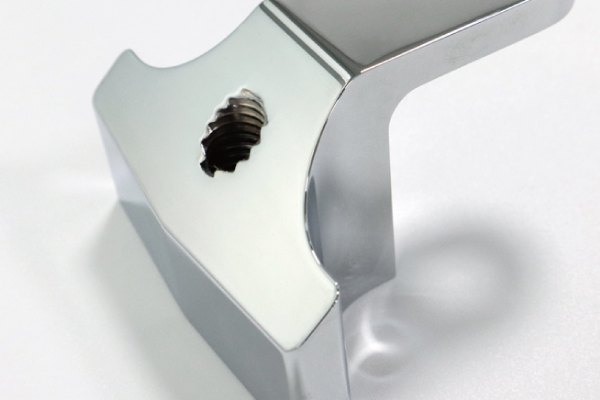
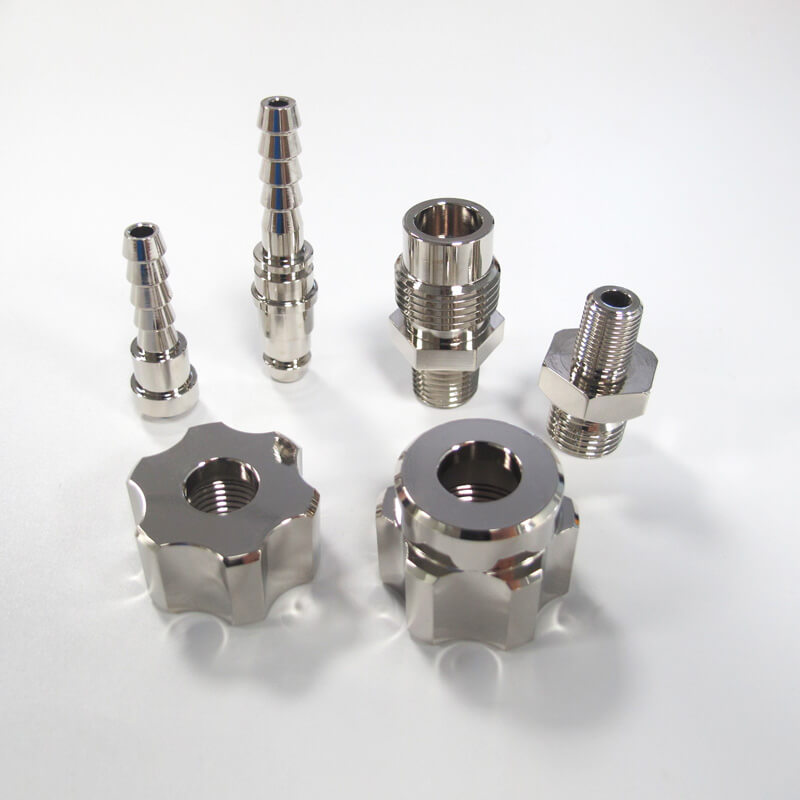
A controlled metal deposit changes surface performance without changing the core part material.
What Electroplating Adds to a Precision Part
Electroplating uses electrical current to deposit a controlled metal layer onto a prepared substrate. The base material, pretreatment, underplate, deposit thickness, geometry and post-treatment all influence performance and appearance.
Corrosion Protection
Zinc, nickel and multi-layer systems can slow substrate corrosion when matched to the service environment.
Wear and Durability
Nickel and chrome routes can improve surface hardness, abrasion resistance and service life.
Electrical Performance
Silver, gold and selected nickel systems support conductivity, contact reliability or shielding requirements.
Solderability and Bonding
Copper, nickel, silver or gold layers can prepare contacts and assemblies for downstream joining.
Dimensional Build-Up
A controlled deposit can restore or build selected surfaces when the tolerance plan allows it.
Decorative Appearance
Bright, satin and colored passivated finishes provide a consistent visual route for exposed components.
Electroplating Options for CNC Parts
Select the deposit around substrate compatibility, corrosion exposure, wear, conductivity, appearance, dimensional impact and the surfaces that must remain unplated.
Nickel Plating
Typical 5-25 micronsElectrolytic nickel provides a bright or satin metal finish with useful corrosion, wear and decorative performance.
Zinc Plating
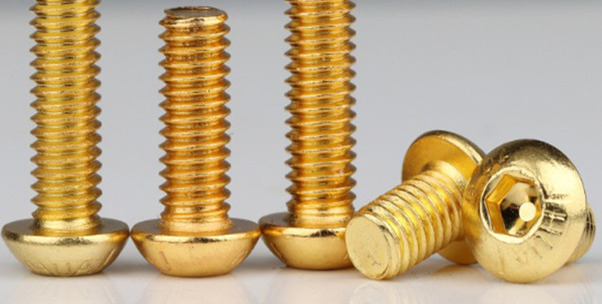
Typical 5-15 micronsZinc is a cost-effective sacrificial coating for ferrous parts and can be paired with clear, blue, yellow or black passivation.
Chrome Plating
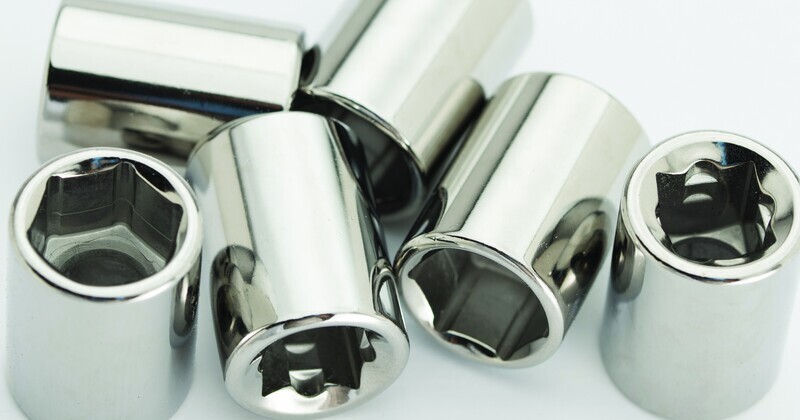
Route-dependent thicknessDecorative chrome creates a bright top layer over nickel, while hard chrome is reviewed separately for wear and dimensional build-up.
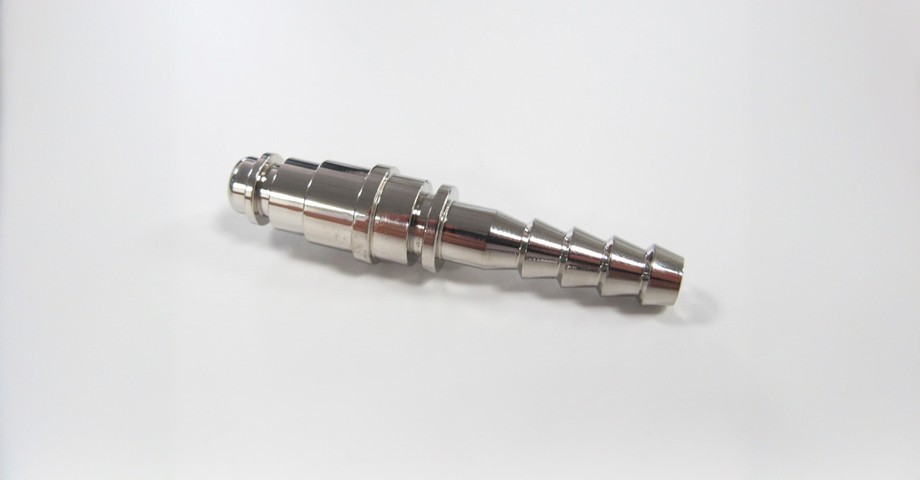
Electroless Nickel
Typical 10-25 micronsElectroless nickel deposits without external current, supporting more uniform coverage on recesses and complex geometry.
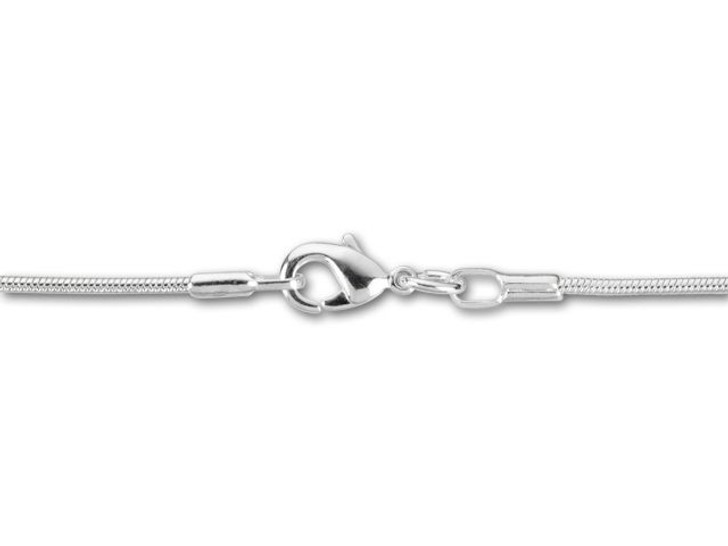
Silver Plating
Typical 2-20 micronsSilver plating is selected for electrical conductivity, solderability and low contact resistance on suitable components.
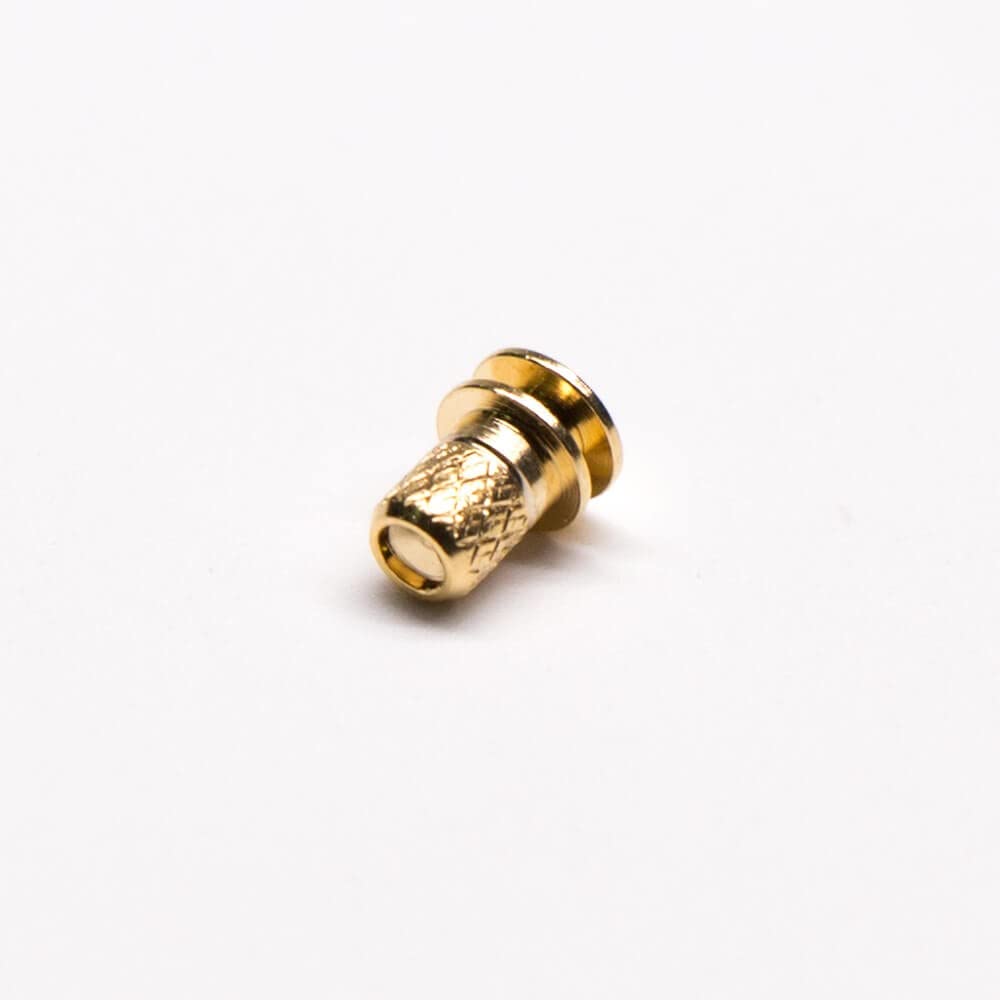
Gold Plating
Typical 0.1-5 micronsGold provides stable electrical contact performance and tarnish resistance, usually over a compatible barrier layer.
Typical ranges are planning values only. Final deposit, thickness, underplate, post-treatment and test method depend on the substrate, geometry, service environment, masking and drawing requirements.
Plan Critical Interfaces Before Plating
Electroplating adds material to the substrate and current density can vary across edges, recesses and complex geometry. Fits, threads, contacts and cosmetic surfaces should be reviewed before machining is released.
Request a QuotePost-Plate Dimensions
State whether drawing dimensions apply before or after plating, especially on bores, shafts, press fits and mating faces.
Threads and Close Fits
Identify threads, bearing seats and precision interfaces that require allowance, selective plating or masking.
Edges, Recesses and Geometry
Current density can create thicker deposits on exposed edges and lower coverage in deep recesses; electroless routes may improve uniformity.
Substrate and Pretreatment
Specify the exact steel, copper, brass, aluminum or other substrate because activation and underplate requirements change by material.
Masking and Contact Points
Mark electrical contacts, grounding areas, sealing faces and acceptable rack locations directly on the drawing.
Appearance Reference
Define bright, satin, color-passivated or functional appearance and provide a sample or limit panel when cosmetics are critical.
Typical Electroplating Parameters
Use these values only for early planning. The drawing and quotation must confirm the substrate, underplate, deposit thickness, post-treatment, masking and acceptance method.
Need a Specific Plating Standard?
Send the required plating designation, thickness, substrate, masking, corrosion target, appearance reference and test method. YXT will review feasibility before confirming the production route.
Electroplated CNC Parts Gallery
Representative nickel, zinc, chrome, electroless nickel, silver and gold plated components. Replace or reorder every image directly in the native Bricks carousel.
From Engineering Review to Final Inspection
Reliable plating starts before the bath. Substrate review, cleaning, activation, underplate, deposition and post-treatment must be planned as one controlled sequence.
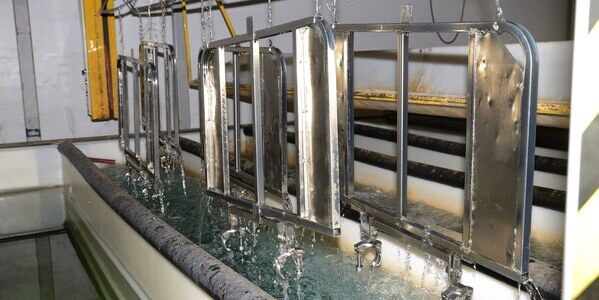
Pretreatment and bath control determine adhesion, coverage and appearance.
Engineering Review
Confirm substrate, deposit system, thickness, masking, appearance and acceptance requirements.
Cleaning and Degreasing
Remove machining oil, polishing compound, oxide and handling contamination.
Activation and Pretreatment
Prepare the base metal with the chemistry required for adhesion and a stable deposit.
Strike or Underplate
Apply an intermediate layer when required for adhesion, diffusion control or corrosion performance.
Metal Deposition
Build the specified electrolytic or electroless layer under controlled bath conditions.
Post-Treatment and Inspection
Rinse, passivate or protect the finish, then inspect appearance, thickness and critical dimensions.
Inspection Built Around the Finish Requirement
Inspection scope is matched to the drawing, plating specification, approved appearance reference and functional risk. Critical requirements should be identified before production.
Appearance and Coverage
Review visible defects, staining, burns, pits, color-passivation range and coverage on specified surfaces.
Deposit Thickness
Verify thickness using the agreed method and sampling plan for the coating system and part geometry.
Adhesion
Apply the specified adhesion check where substrate, pretreatment or service risk requires it.
Post-Plate Dimensions
Verify critical dimensions that may be affected by deposit build-up, underplate or masking.
Functional Testing
Conductivity, porosity, hardness or corrosion testing is arranged only when the drawing or purchase order defines it.
First Article / Sample
Use a sample or first article when appearance or functional limits need approval before the production batch.
One Team for the Machined Part and Its Deposit
YXT reviews machining, substrate preparation, dimensional allowance, masking and inspection as one production route instead of treating plating as an isolated final step.
Machining + Plating Coordination
Critical fits, substrates and cosmetic surfaces stay visible from DFM through final inspection.
Process Review Before Release
We review thickness, pretreatment, underplate, edge condition, rack locations and masking before the job moves forward.
Controlled Masking and Racking
Protected areas and acceptable electrical contact marks are tied back to your drawing notes.
Sample and First-Article Support
Appearance and functional limits can be approved before a larger production batch.
Repeat-Order Clarity
Approved revisions, references and inspection requirements create a clearer baseline for future batches.
Other Surface Finishing Options
Choose a preparation or coating route around corrosion, appearance, conductivity, wear and the material specified on your drawing.
Electroplating Services FAQs
Resolve the substrate, deposit system, thickness, masking and acceptance method before your parts enter production.
3D model, drawing, substrate, quantity, plating designation, target thickness, appearance reference, critical dimensions, masking and inspection notes.
What is the difference between electrolytic and electroless nickel?
Electrolytic nickel uses electrical current and is often selected for bright decorative or functional deposits. Electroless nickel is chemically deposited and can provide more uniform coverage on recesses and complex geometry. Substrate, phosphorus level, thickness and service conditions determine the better route.
How does plating thickness affect dimensions?
Electroplating adds material to the original surface. Critical bores, shafts, threads, fits and bearing seats should state post-plate requirements so machining allowance, selective plating or masking can be planned.
Which base materials can be electroplated?
Common substrates include carbon and alloy steel, stainless steel, copper, brass and selected aluminum alloys. Each material needs a compatible cleaning, activation and underplate route, so the exact grade and heat treatment must be identified.
How should corrosion resistance be specified?
State the service environment, deposit system, post-treatment and any required test standard or duration on the drawing or purchase order. Corrosion performance depends on the substrate, coating thickness, passivation, geometry and test method rather than the plating name alone.
Can threads and critical areas be masked?
Yes. Threads, bearing seats, sealing faces, electrical contacts, grounding points and selected cosmetic areas can be reviewed for masking. Mark every required area clearly and identify where rack contact marks are acceptable.
What information is needed for lead time and quotation?
Send the 3D model, dimensioned drawing, substrate grade, quantity, plating designation, target thickness, appearance reference, critical dimensions, masking notes and inspection scope. Lead time is then reviewed around machining, pretreatment, plating and approval requirements.
Plan the Machined Part and Plated Finish Together
Share your CAD files, drawings and plating requirements. YXT will review the substrate, deposit route, dimensional allowance, masking and inspection needs before quotation.