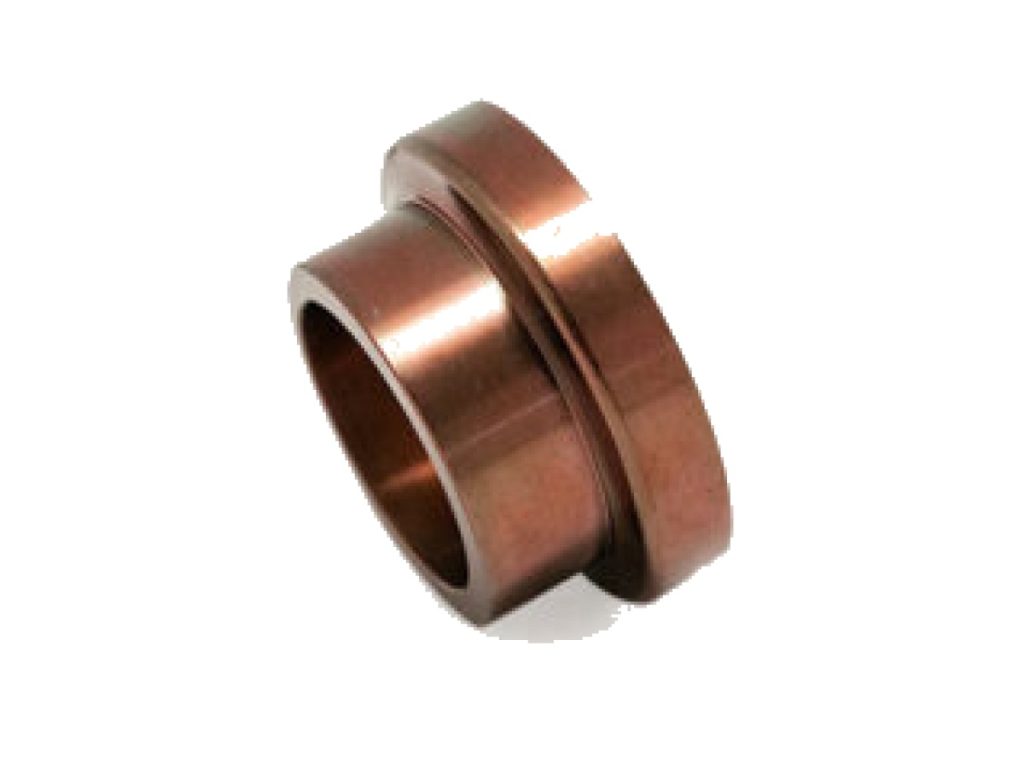
For C145 tellurium copper vs C110 machining, C145 offers a pronounced machinability advantage while retaining high conductivity; C110 ETP copper puts the emphasis on very high conductivity but is less machining-friendly in the CDA comparison. Tellurium addition is the reason C145 should be evaluated as a distinct copper alloy rather than called pure copper. Choose C110 when its specified conductivity or approved material requirement governs. Review C145 for detailed machined contacts or conductor bodies when its actual electrical and thermal properties satisfy the design. The CDA C14500 and C11000 records support this tradeoff. Neither a conductivity figure nor a machinability rating alone predicts complete contact performance.
For a sound comparison, ask both quotations to include the same geometry, contact requirements, finishing and inspection scope.
Write the electrical requirement explicitly
A material name is not a complete description of a contact or conductor. Identify the relevant current path, contact areas, operating temperature and interface conditions. If the design requires a numerical conductivity or another property, state its basis and applicable specification.
The Copper Development Association's C14500 data lists fabrication and physical-property information for tellurium copper. Use the delivered form and temper when comparing properties; do not transfer a general alloy value to every possible stock product.
C110 should receive the same level of identification. Ask for its full designation and material evidence rather than accepting the phrase “pure copper” as a purchasing specification.
Treat machinability as comparative information
A machinability index is a screening aid. It does not directly calculate the cost or cycle time of an individual CNC component.
The CDA C11000 record and C14500 record report comparative machinability information. Part geometry, stock condition, tooling and the required result still determine the manufacturing route.
For example, a component with internal threads, narrow grooves and interrupted surfaces asks different questions from a thick plate with several clearance holes. Keep the comparison attached to the actual CAD model and critical drawing features.
The copper machining service page is the appropriate route for that project-specific review.
Compare the contact system, not only bulk material
| Requirement | C145 tellurium copper | C110 ETP copper |
|---|---|---|
| Material distinction | Copper modified with tellurium for machining | Electrolytic tough-pitch high-conductivity copper |
| Machinability | Much higher CDA comparative rating | Lower comparative machinability rating |
| Conductivity emphasis | High, with an alloying tradeoff | Very high conductivity is a principal advantage |
| Useful candidate | Detailed contacts, threaded bodies and machining-intensive geometry | Conductivity-led parts or an approved C110 design |
| Acceptance basis | Confirm specified grade, form and temper | Confirm specified grade, form and temper |
The material directions follow the CDA alloy records, not a promise of shorter cycle time or lower contact resistance for an individual part.
Bulk conductivity and interface performance are different subjects. A material substitution should therefore be reviewed against the complete contact design rather than justified by one property table.
Where a coating is required, involve the selected processor early. Coating build and surface preparation can affect final fits and functional contact areas.
Review the difficult machining features
Identify narrow slots, small tapped holes, thin contact fingers and burr-sensitive edges before quotation. Ask the supplier which features need process attention and how their acceptance will be checked.
Avoid a blanket “no burrs” note without explaining the functional risk. A contact edge, a fluid passage and an operator-handled exterior edge may require different treatment and inspection.
A custom machining review should connect these features to the material and final surface condition. The quotation should identify any assumptions that affect price or feasibility.
If the supplier proposes a different copper alloy for machining reasons, request a separate option with the technical differences visible. Do not allow the stock change to appear only on the invoice.
Freeze the accepted material and finishing route
Before release, confirm:
- The full copper alloy designation and supplied condition.
- The property requirements that govern selection.
- Critical contact and assembly surfaces.
- Any coating, masking and dimensional allowances.
- Required material identification and inspection records.
- The authority needed to approve substitutions.
This checklist prevents the drawing, purchase order and finishing instruction from describing different deliverables. If the design already has a qualified material specification, retain it unless an approved change is issued.
For a repeat order, verify that the stock and finish basis remains the same. A matching part number is not enough if the underlying material requirement has changed.
Questions about copper selection
Does easier machining mean better electrical performance?
No. Machinability and electrical function are separate properties. Confirm both against the application.
Can C145 replace C110 automatically?
Treat it as an engineering substitution requiring review of the specified properties and final component function.
Is a machinability rating a quotation formula?
No. It is comparative material information. Geometry, tolerances, quantity and process scope still affect the offer.
Should contact surfaces be accepted only by appearance?
Appearance may be one requirement. Functional texture, dimensions, coating and any agreed performance verification remain separate.
What material documents should be requested?
Ask for the documents needed to establish the specified material and its connection to the delivered production lot.
Related guides: How to call out aluminum CNC mask anodize for grounding; Titanium Grade 2 vs Grade 5 for Custom Machined Parts; 6061 vs 7075 for CNC parts: strength, machining, and finish.
Request a function-based comparison
Send your copper component files with the specified alloy, conductivity or other governing requirements, final coating and quantity. Ask YXT to identify manufacturing questions and provide any alternative as a clearly separated option.